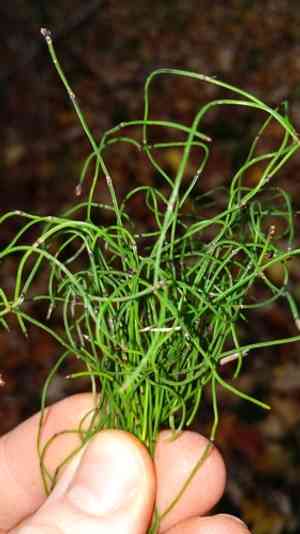
Dwarf horsetail (Equisetum scirpoides)
Also known as: Dwarf Scouring-Rush, Sedge horsetail
The name "Equisetum" for the dwarf horsetail (Equisetum scirpoides) originates from Latin, combining "equus" (horse) and "seta" (bristle or hair), referring to the plant's bristly appearance. This perennial plant, resembling a smaller version of the Common Horsetail, is native to parts of North America and northern Eurasia.
Attributes of Dwarf horsetail
Images of Dwarf horsetail
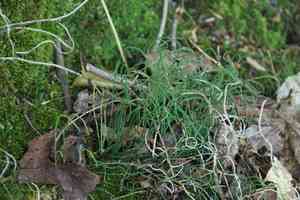
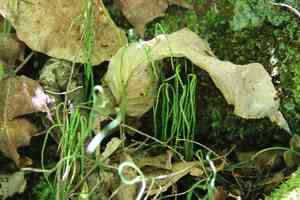
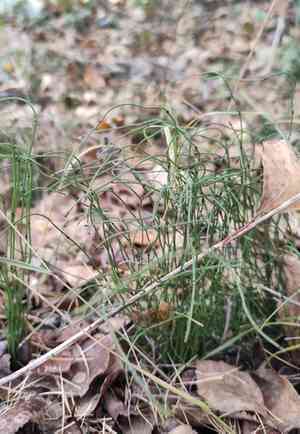
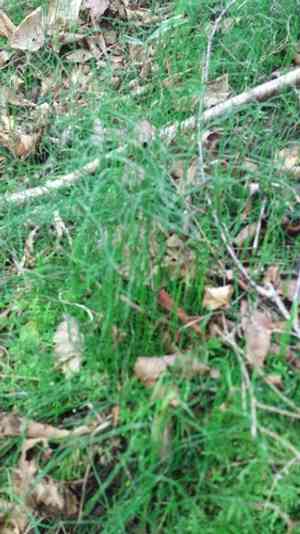
Quickly Identify Dwarf horsetail
Scientific Classification of Dwarf horsetail
Planting and Growing of Dwarf horsetail
 How to Water Dwarf horsetail?
 What Are the Sunlight Requirements for Dwarf horsetail?
 What Is the Ideal Temperature Range for Dwarf horsetail?
 What Soil is Best for Dwarf horsetail?
 How to Fertilize Dwarf horsetail?
 How to Prune Dwarf horsetail?
 How to Propagate Dwarf horsetail plant?
 How to Repot Dwarf horsetail plant?
Toxicity of Dwarf horsetail
Is Dwarf horsetail toxic to humans?
The dwarf horsetail plant can pose toxicity risks when consumed in significant amounts. The onset of symptoms may occur gradually over time. Every part of the plant possesses toxic properties. Prolonged consumption can lead to a deficiency in thiamine. The severity of symptoms can increase if dwarf horsetail is ingested by individuals who are chronic alcohol users, using nicotine replacement therapies, or taking diuretics.



