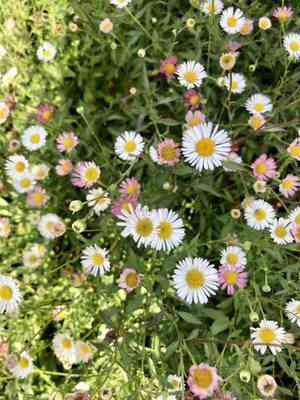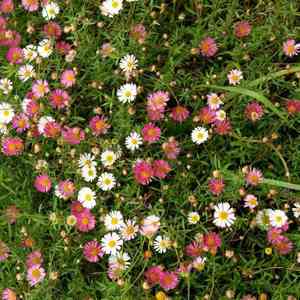
Mexican fleabane(Erigeron karvinskianus)

Mexican fleabane (Erigeron karvinskianus)

Also known as: Fuzzweed, Santa barbara daisy, Spanish daisy, Bony-tip fleabane

Mexican fleabane (Erigeron karvinskianus) is a hardy, perennial plant that spreads through woody rhizomes. Native to regions including Mexico, Central America, Colombia, and Venezuela, this plant is frequently grown for its daisy-like blooms. Despite its appearance, it is not the true daisy, Bellis perennis, although it shares a close botanical relationship with it.

Attributes of Mexican fleabane

Lifespan
Perennial, Annual
Plant Type
Herb
Plant Height
10 cm to 1 m
Spread
90 cm to 1.5 m
Leaf Color
Green
Flower Size
1 cm to 2.5 cm
Flower Color
White Pink Purple Red

PlantJoy - Identify plants with a snap

Identify and diagnose plants, get toxicity alerts, and explore safety guides for all types of fungi.

Try for Free

Images of Mexican fleabane

Mexican fleabane(Erigeron karvinskianus)

Quickly Identify Mexican fleabane

1
Low-growing groundcover, reaching 1-2 feet (30-60 cm) in height.
2
Daisy-like flowers with white to pink-tinted petals and yellow central disc.
3
Profuse blooming nearly year-round in favorable conditions.
4
Resilient to poor soil and drought, adaptable to varied growing conditions.
5
May enter dormancy during extreme heat, thrives in cool environments with sun to light shade.

Scientific Classification of Mexican fleabane

Phylum
Vascular plants
Class
Dicotyledons
Order
Asterales
Family
Daisy
Genus
Fleabanes
Species
Mexican fleabane

Planting and Growing of Mexican fleabane

Care Difficulty
Easy
Watering Schedule
Every 4 days
Sunlight Requirements
Full sun
Sunshine Duration
8-12 hours
Ideal Temperature
60-75℉
Soil Type
Potting Mix, Peat Mix
Soil pH
6.5-7.5
Fertilizer Type
Balanced
Pruning Season
Spring, Summer
Pruning Area
Branches, Leaves
Pruning Frequency
2 times a year
Repotting Season
Spring
Pot Type
Plastic, Ceramic

water icon How to Water Mexican fleabane?

Erigeron karvinskianus enjoys moderate moisture. When watering, ensure the soil is evenly moist without being saturated. Aim for about 200ml of water per session, checking that the top 1-2 inches of soil is adequately moistened before stopping.
What are the symptoms of an underwatered Mexican fleabane?
What should I do if my Mexican fleabane is not getting enough water?
What are the symptoms of an overwatered Mexican fleabane?
How to save an overwatered Mexican fleabane?

sunlight icon What Are the Sunlight Requirements for Mexican fleabane?

Sunlight Requirements: Full sun, Partial sun
Duration of light: 6 to 8 hours daily
Erigeron karvinskianus ideally thrives in full to partial sun environments. This facilitates optimum photosynthetic activity, leading to vigorous growth and prolific blooming, enhancing its decorative appeal and health.
What type of sunlight does Erigeron karvinskianus prefer?
How can you provide ideal lighting conditions for it?
What are the benefits of providing ideal lighting to Erigeron karvinskianus?

temperature icon What Is the Ideal Temperature Range for Mexican fleabane?

Ideal Temperature: 60 ~ 75℉
The ideal temperature range for growing Erigeron karvinskianus is between 60°F and 75°F. These conditions promote optimal growth, flowering, and vigor in the plant, ensuring that it thrives and blossoms beautifully.

soil icon What Soil is Best for Mexican fleabane?

Soil type: Sandy soil, Loam, Sandy loam
Soil PH: 6.5 ~ 7.5
Erigeron karvinskianus thrives in well-draining soil, which prevents water from pooling around the roots. This diminishes the risk of root rot, ensuring the plant's robust growth and vibrant blooms. This plant prefers soil with moderate nutrient levels, avoiding excess fertility which can lead to lush foliage but fewer flowers. Balanced nutrients support both healthy growth and abundant flowering. The plant requires a soil structure that allows for good air circulation around its roots. This loamy blend ensures roots receive ample oxygen, promoting healthy metabolic processes and overall vitality.

fertilize icon How to Fertilize Mexican fleabane?

Fertilizer type: Balanced
When fertilizing Erigeron karvinskianus, use a balanced, water-soluble fertilizer such as a 10-10-10 NPK formula. For liquid fertilizers, a dilution rate of half the recommended strength is generally sufficient. Apply approximately one per liter of diluted fertilizer gently around the base of the plant, ensuring that it doesn't touch the leaves to prevent burning.

prune icon How to Prune Mexican fleabane?

Pruning Time: Spring, Summer, Autumn
In early spring, begin by trimming back dead or winter-damaged stems to prepare for fresh growth. Shaping the plant now creates a foundation for a lush, appealing form. Throughout the spring and summer, lightly clip back spent flower stalks regularly. This deadheading not only tidies the plant but also prolongs the blooming period by redirecting the plant’s energy toward developing new buds. During the autumn, perform a final tidy up to remove any faded flowers and untidy growth, preparing the plant for a less active winter phase and ensuring a tidy appearance.

propagate icon How to Propagate Mexican fleabane plant?

Propagate Time: Spring, Early Summer, Late Summer
1
To sow seeds, sprinkle them evenly on moist, well-draining soil in the seed tray. Lightly press the seeds into the soil and mist with water. Keep the soil consistently moist but not waterlogged until germination occurs.
2
Take 4-6 inch cuttings from healthy, non-flowering stems using clean pruning shears. Remove the lower leaves and dip the cut end in rooting hormone for best results, then place it in a pot of moist soil or a mix of sand and peat.
3
Divide established clumps by carefully lifting them from the ground and separating the roots. Replant the divisions promptly, making sure each has a healthy root system and shoot to thrive independently.

repot icon How to Repot Mexican fleabane plant?

Repotting frequency: Annually or biennially
1
The key signs that Erigeron karvinskianus needs repotting are roots growing out through the drainage holes, a noticeable slowdown in growth, or when water takes too long to drain through the soil. Ideal repotting times are in spring or summer when the plant is actively growing.
2
Select a pot 1-2 inches wider than the current one to give the roots space to spread. Ensure it has effective drainage holes to prevent water accumulation, which could lead to root rot. Terracotta pots are excellent as they allow airflow to the roots.
3
A well-draining potting mix is vital for Erigeron karvinskianus. The mix should include components like peat moss, perlite, or coarse sand. This kind of soil mimics the plant’s natural environment and reduces the risk of waterlogged roots, promoting healthier growth.

PlantJoy - Identify plants with a snap

Find the best spots for them to optimize their health, simply using your phone.

Try for Free

Toxicity of Mexican fleabane

Is Mexican fleabane toxic to humans?

Mexican fleabane exhibits a low degree of toxicity to humans, with the entire plant able to lead to poisoning if ingested. In the event of accidental consumption, it can evoke various symptoms that may encompass gastrointestinal disturbances, including nausea, vomiting, and diarrhea. Moreover, individuals may face minor skin irritation or allergic responses if they touch the plant's sap. It is crucial for individuals, particularly those with inquisitive children or pets, to recognize the potential hazards linked to the unintentional ingestion of Mexican fleabane and to take precautions when managing or cultivating it in areas that are easy to access.

Is Mexican fleabane toxic to cat?

Mexican fleabane demonstrates a mild level of toxicity in cats. Should a cat accidentally consume any part of this plant, it may experience discomfort or show symptoms of illness. Every part of the plant holds toxic characteristics. If a cat ingests Mexican fleabane, it is crucial to obtain prompt veterinary assistance to receive the necessary treatment and reduce potential health risks.

Is Mexican fleabane toxic to dog?

Erigeron karvinskianus, often referred to as Mexican fleabane, is recognized as possessing a low degree of toxicity to dogs. This plant can lead to poisoning in canines if ingested inadvertently. The whole plant is deemed harmful and poses potential threats to the health of dogs. Following consumption, affected dogs might show symptoms such as gastrointestinal disturbances including vomiting or diarrhea, lethargy, or other mild forms of discomfort. It is essential for dog owners to keep a vigilant eye on their pets and restrict their access to Mexican fleabane to prevent unintentional ingestion. In the event that a dog consumes any part of Mexican fleabane, it is vital to seek prompt veterinary assistance to ensure the most favorable outcome for the animal's wellbeing.

Identify toxic plants for your safety

Learn which plants are harmful to you and your pets, and make informed choices for a safer home!

Try for Free
WARNING
The judgment on toxicity and danger is for reference only. We DO NOT GUARANTEE any accuracy of such judgment. Therefore, you SHALL NOT rely on such judgment. It is IMPORTANT TO SEEK PROFESSIONAL ADVICE in advance when necessary.