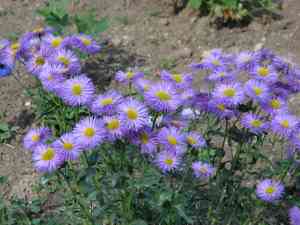
Aspen Fleabane(Erigeron speciosus)

Aspen Fleabane (Erigeron speciosus)

Also known as: Garden Fleabane, Showy Daisy, Fleabane

It sounds like you're describing Aspen Fleabane, a clump-forming perennial belonging to the daisy family. This plant features pink, white, or lavender blooms and is native to parts of North America. It thrives from summer through fall and is often used in gardens for ground cover and borders because of its showy flowers.

Attributes of Aspen Fleabane

Lifespan
Perennial
Plant Type
Herb
Plant Height
15 cm to 76 cm
Spread
25 cm
Leaf Color
Green Gray
Flower Size
2.5 cm to 8 cm
Flower Color
Blue Purple Lavender White Yellow Pink

PlantJoy - Identify plants with a snap

Identify and diagnose plants, get toxicity alerts, and explore safety guides for all types of fungi.

Try for Free

Images of Aspen Fleabane

Aspen Fleabane(Erigeron speciosus)

Quickly Identify Aspen Fleabane

1
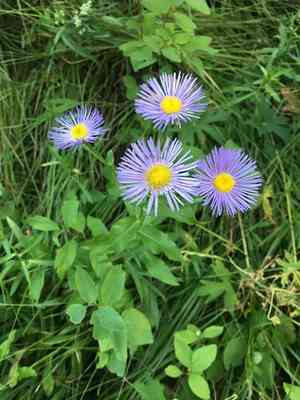
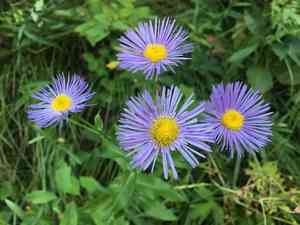
Dazzling blue-purple flowers with over 100 slender ray florets encircling a prominent yellow disc.
2
Prominent yellow discs at the center of each blue-violet, daisy-like blossom measuring 1-2 inches.
3
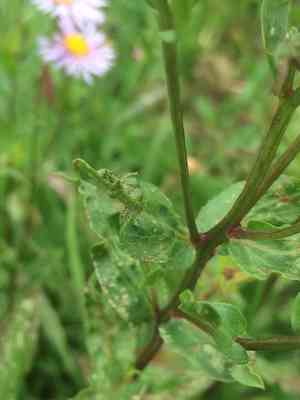
Basal and stem leaves vary in shape from oblanceolate to oval, with fine-haired margins.
4
Branched stems reaching up to 3 feet in height, featuring a distinctive maroon hue.
5
Small, inconspicuous cypsela fruits with fine hairs for wind dispersal, typical of the daisy family.

Scientific Classification of Aspen Fleabane

Phylum
Vascular plants
Class
Dicotyledons
Order
Asterales
Family
Daisy
Genus
Fleabanes
Species
Aspen Fleabane

Planting and Growing of Aspen Fleabane

Care Difficulty
Easy
Watering Schedule
Every 4 days
Sunlight Requirements
Full sun
Sunshine Duration
4-8 hours
Ideal Temperature
60-75℉
Soil Type
Potting Mix, Peat Mix
Soil pH
6.5-7.5
Fertilizer Type
Balanced
Pruning Season
Spring, Summer
Pruning Area
Branches, Leaves
Pruning Frequency
2 times a year
Repotting Season
Spring
Pot Type
Plastic, Terracotta

water icon How to Water Aspen Fleabane?

Erigeron speciosus enjoys regular watering to keep the soil consistently moist but not waterlogged. Aim for around 500 ml of water each time, ensuring the soil is evenly soaked yet well-drained. This helps the roots absorb the necessary moisture without suffocating them with excess water.
What are the symptoms of an underwatered Aspen Fleabane?
What should I do if my Aspen Fleabane is not getting enough water?
What are the symptoms of an overwatered Aspen Fleabane?
How to save an overwatered Aspen Fleabane?

sunlight icon What Are the Sunlight Requirements for Aspen Fleabane?

Sunlight Requirements: Full sun, Partial sun
Duration of light: 4 to 6 hours
Ideally, Erigeron speciosus thrives in full to partial sun. Steady exposure to sunlight results in increased blooms and maintains its vibrant color, ensuring a garden or indoor aesthetic appeal.
Where should Erigeron speciosus be placed?
What is the effect of ideal sunlight on Erigeron speciosus?
What are the solutions to achieve ideal lighting for Erigeron speciosus?
More About Sunlight Requirements Techniques

temperature icon What Is the Ideal Temperature Range for Aspen Fleabane?

Ideal Temperature: 60 ~ 75℉
The ideal temperature range for growing Erigeron speciosus is between 60°F and 75°F. This range provides an optimal balance for photosynthesis, respiration, and other metabolic processes, ensuring the plant thrives. A moderate temperature range helps maintain moisture balance within the plant, minimizing stress and supporting healthy growth. Maintaining this range will also support the vibrant flowering that Erigeron speciosus is known for.

soil icon What Soil is Best for Aspen Fleabane?

Soil type: Loam, Sandy loam
Soil PH: 6.5 ~ 7.5
Erigeron speciosus thrives in well-drained soils that prevent waterlogging. This soil condition is critical to avoid root rot and ensure that the plant's root system has adequate access to oxygen, promoting healthy growth and vibrant blooms. For optimal growth, Erigeron speciosus benefits from soils that are rich in organic matter. Nutrient-dense soils provide the plant with essential minerals and elements that support robust flower production and vigorous foliage. While Erigeron speciosus prefers moist conditions, it is vital to ensure that the soil maintains moderate moisture without becoming excessively wet. This balance helps to sustain the plant's hydration needs without risking fungal diseases.

fertilize icon How to Fertilize Aspen Fleabane?

Fertilizer type: Balanced
Erigeron speciosus thrives with moderate fertilization. Use a balanced 10-10-10 NPK liquid fertilizer at the rate of one tablespoon per gallon of water. Apply this every two weeks during the growing season to provide consistent nutrients without overwhelming the plant.

prune icon How to Prune Aspen Fleabane?

Pruning Time: Spring, Summer
Begin by cutting off any dead or spent blooms to encourage new growth. Make clean cuts back to a leaf node to maintain the plant's shape and health. This practice will invigorate the Erigeron speciosus and promote continuous flowering throughout the season. Trim the sides of the plant slightly to maintain a compact and attractive form. Focus on removing straggly or leggy growth by cutting them back to the main stem. This not only enhances its visual appeal but also prevents it from looking untidy. More About Pruning Techniques

propagate icon How to Propagate Aspen Fleabane plant?

Propagate Time: Spring, Early summer, Autumn
1
Collect seeds when flower heads turn brown and dry. Shake them gently to ensure seeds are mature and ready for planting.
2
Select non-flowering stems and cut 4-6 inches from the tip. Remove lower leaves to minimize water loss and root more effectively.
3
Dig up the plant carefully and shake off excess soil. Use a sharp knife to separate it into smaller sections, ensuring each has roots attached.
More About Propagating Techniques

repot icon How to Repot Aspen Fleabane plant?

Repotting frequency: Every 1-2 years
1
Erigeron speciosus, known as showy fleabane, signals the need for repotting when you notice roots growing through the drainage holes or circling the soil surface. If growth seems stunted and the soil compacts quickly after watering, it's time to consider a larger home for your plant.
2
Choose a pot that is one to two inches larger in diameter than the current one. Ensure it has ample drainage holes to prevent waterlogging which can lead to root rot. The extra space will encourage healthy root growth, providing the plant with plenty of nutrients and stability.
3
Opting for a well-draining potting mix is essential to prevent water retention. A combination of peat, perlite, and coarse sand ensures adequate aeration and moisture control, fostering a robust environment for Erigeron speciosus to thrive.

PlantJoy - Identify plants with a snap

Find the best spots for them to optimize their health, simply using your phone.

Try for Free

Toxicity of Aspen Fleabane

Is Aspen Fleabane toxic to cat?

The Aspen Fleabane poses a mild toxicity risk to cats when consumed. Although there is limited information regarding its toxic properties, reported symptoms comprise nausea, vomiting, and diarrhea, which typically resolve within a twenty-four-hour time frame. Should any abnormalities arise beyond this pattern, it is advisable to seek veterinary advice.

Is Aspen Fleabane toxic to dog?

Aspen Fleabane possesses a mild level of toxicity for dogs. Consuming any part of this plant typically results in slight gastrointestinal distress, which may, on rare occasions, lead to vomiting or diarrhea. Additionally, coming into contact with crushed or damaged plants can result in mild dermatitis and skin irritation.

Identify toxic plants for your safety

Learn which plants are harmful to you and your pets, and make informed choices for a safer home!

Try for Free
WARNING
The judgment on toxicity and danger is for reference only. We DO NOT GUARANTEE any accuracy of such judgment. Therefore, you SHALL NOT rely on such judgment. It is IMPORTANT TO SEEK PROFESSIONAL ADVICE in advance when necessary.
More About Toxic Techniques