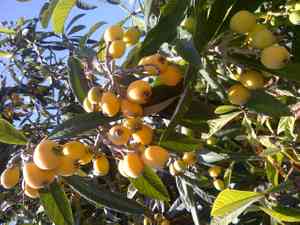
Loquat (Eriobotrya japonica)
Also known as: Japanese plum, Nespola
The loquat is an evergreen tree originally from China, now also found in various parts of Asia, Southern Europe, and North America. The fruit of the loquat can be enjoyed raw, added to salads, or made into jam. Notably, it is used in Italy to produce nespolino liqueur. However, it's important to note that the seeds are not edible.
Attributes of Loquat
Images of Loquat
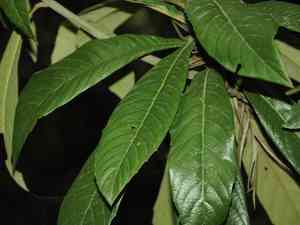
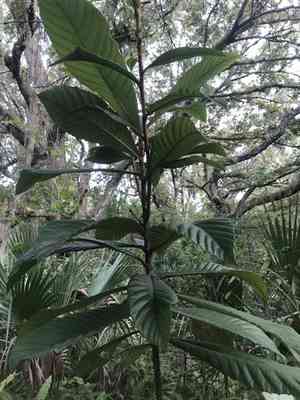
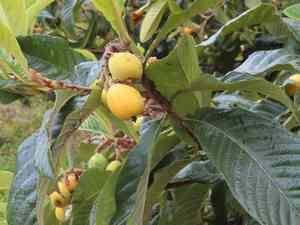
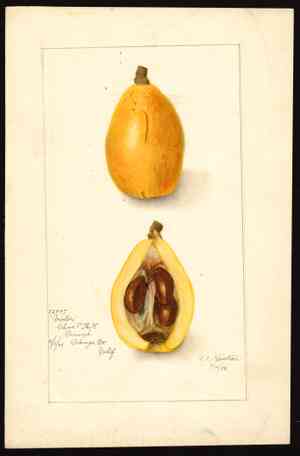
Quickly Identify Loquat
Scientific Classification of Loquat
Planting and Growing of Loquat
 How to Water Loquat?
 What Are the Sunlight Requirements for Loquat?
 What Is the Ideal Temperature Range for Loquat?
 What Soil is Best for Loquat?
 How to Fertilize Loquat?
 How to Prune Loquat?
 How to Propagate Loquat plant?
 How to Repot Loquat plant?
Toxicity of Loquat
Is Loquat toxic to cat?
Loquat presents a moderate toxicity risk for felines. Cats risk poisoning upon ingesting the plant's seeds. Following consumption, a cat may exhibit signs of distress, indicating the necessity for urgent medical care. It is vital for cat owners to prevent their pets from reaching the seeds and to obtain immediate veterinary assistance if poisoning is suspected. Prompt treatment is critical to mitigate toxic effects and safeguard the health of the affected cat.
Is Loquat toxic to dog?
The loquat plant species is classified as having a moderate toxic level for dogs. This toxicity mainly arises when dogs ingest parts of the plant. The seeds of the loquat are particularly hazardous; if consumed by dogs, they can cause a range of poisoning symptoms. Dog owners should be on high alert for signs such as vomiting, diarrhea, difficulty in breathing, and irregular heart rates, which may indicate that their pet has ingested loquat seeds. It is essential for dog owners to act quickly and seek immediate veterinary assistance if they suspect their dog has been poisoned by loquat, as timely treatment is vital for their pet's health and safety.



