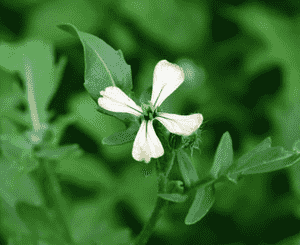
Arugula (Eruca vesicaria)
Also known as: Rocket salad, Jamba, Rocket, Rugula
Arugula (Eruca vesicaria) is a cool-season annual known for its spicy, peppery leaves, often used in salads. The plant typically reaches heights of 30 to 46 cm. It grows best in full sun to partial shade and can handle light frosts and moist soil conditions. The flowers and seeds are also edible, adding versatility to its culinary uses.
In This Article
Attributes of Arugula
Lifespan
Annual
Plant Type
Herb
Plant Height
20 cm to 1 m
Spread
30 cm
Leaf Color
Green Blue
Flower Size
2 cm to 4 cm
Flower Color
White Yellow Cream Purple Lavender Gold
Images of Arugula
Quickly Identify Arugula
1
Distinctive rosette of lobed, elongated leaves with deeply veined surface.
2
Four-petaled flowers in yellow, cream, or white with purplish veins.
3
Elongated pods, 1.27 to 3.81 cm (0.5 to 1.5 inches) in length.
4
Basal leaves pinnately lobed with 4-10 lateral lobes and larger terminal lobe.
5
Smooth-edged stem leaves, green coloration with pronounced central vein.
Scientific Classification of Arugula
Phylum
Vascular plants
Class
Dicotyledons
Order
Brassicales
Family
Cruciferae
Genus
Arugula
Species
Arugula
Planting and Growing of Arugula
Care Difficulty
Easy
Watering Schedule
Every 8 days
Sunlight Requirements
Full sun
Sunshine Duration
4-8 hours
Ideal Temperature
55-75℉
Soil Type
Potting Mix, Peat Mix
Soil pH
6.5-7.5
Fertilizer Type
Balanced
Pruning Season
Spring, Summer
Pruning Area
Branches, Leaves
Pruning Frequency
2 times a year
Repotting Season
Spring
Pot Type
Plastic, Ceramic
 How to Water Arugula?
Water Eruca vesicaria with an amount of approximately 250 milliliters per session. The goal is to moisten the soil evenly without causing waterlogging; the topsoil should feel moist to the touch but not saturated after watering.
More About Watering Techniques→
What are the symptoms of an underwatered Arugula?
›
What should I do if my Arugula is not getting enough water?
›
What are the symptoms of an overwatered Arugula?
›
How to save an overwatered Arugula?
›
 What Are the Sunlight Requirements for Arugula?
Thriving under full sun and partial sun conditions allows Eruca vesicaria to grow robustly and produce healthy, flavorful leaves. Proper sunlight maximizes photosynthesis and nutrient absorption.
More About Sunlight Requirements Techniques→
Ideal Lighting Setup
›
Solutions to Achieve Optimal Lighting
›
Benefits of Ideal Lighting
›
 What Is the Ideal Temperature Range for Arugula?
The ideal temperature range for Eruca vesicaria, commonly known as arugula, is between 55°F to 75°F. This temperature range allows for optimal growth and development, ensuring that the plant produces flavorful and tender leaves. Maintaining temperatures within this range minimizes stress and encourages robust foliar growth.
 What Soil is Best for Arugula?
Eruca vesicaria prefers well-draining soil to prevent waterlogging, which can cause root rot. A sandy or loamy texture helps excess water flow away, ensuring roots receive the proper balance of oxygen and moisture for optimal growth. This plant thrives in nutrient-rich soil, which supplies essential minerals for robust growth. Incorporating organic matter like compost can enhance soil fertility, promoting healthier leaves and faster growth. The soil should consistently be moist but never soggy. Regular watering is required, but it's crucial to avoid standing water as it can lead to fungal diseases. Well-balanced moisture levels contribute to lush, vibrant foliage.
More About Soil→
 How to Fertilize Arugula?
For Eruca vesicaria, it is essential to provide balanced fertilization to ensure growth without overwhelming the plant. A standard liquid fertilizer should be diluted to half-strength, and approximately 200 ml can be applied per plant during the growing months. Avoid over-fertilizing to prevent root burn.
More About Fertilizing Techniques→
 How to Prune Arugula?
For best results, trim Eruca vesicaria during its active growth periods in spring and early summer. This timing allows the plant to recover quickly and continue producing healthy new foliage. Avoid cutting back more than one-third of the plant at a time. Pruning too aggressively can shock the plant, hinder its growth, and reduce the yield of leaves for culinary use.
More About Pruning Techniques→
 How to Propagate Arugula plant?
1
Start by filling a seed tray with a good quality soil mix, ensuring it's moist but not waterlogged. This provides a healthy medium for seeds to take root.
2
Evenly distribute Eruca vesicaria seeds over the soil surface and lightly press them into the soil. Cover them with a thin layer of soil to ensure they are adequately exposed to light.
3
After sowing, mist the soil surface lightly to provide moisture. Maintain consistent moisture without overwatering to prevent rotting. Ensure seeds have indirect sunlight.
 How to Repot Arugula plant?
1
The best time to repot Eruca vesicaria is when you notice roots emerging from the drainage holes or if the growth appears stunted despite optimal care. This usually indicates that the plant has outgrown its current container, requiring more space for healthy root development.
2
Select a pot that offers adequate drainage and is just one size larger than the current pot. The benefit of this is it prevents root rot and ensures that excess water doesn't accumulate at the bottom, providing a healthy environment for your plant to thrive.
3
Opt for a well-draining potting mix, such as one designed for succulents or a general-purpose mix enhanced with sand or perlite. This soil type not only retains necessary moisture but also prevents water logging, promoting a healthy root system.
Learn More About Arugula Diseases
Bacterial Leaf Spot
Bacterial Soft Rot
Clubroot
Cyst Nematode
Damping-off
Downy Mildew
Drought Stress
Fusarium Wilt
Gray Mold
Leaf Spot
Mosaic
Nutrient Deficiency
Nutrient Toxicity
Powdery Mildew
Root Rot
Root-knot Nematode
Rusts
Sooty Mold
Spider Mites
Temperature Stress
Thrips Damage
White Mold
Chemical Injury



