Eucalypts (Eucalyptus) (Eucalyptus)
Also known as: Gum tree
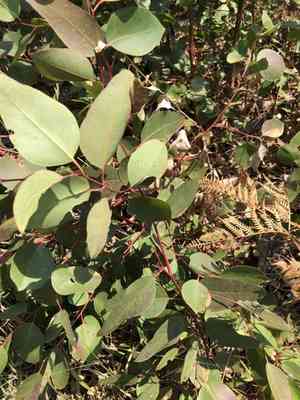
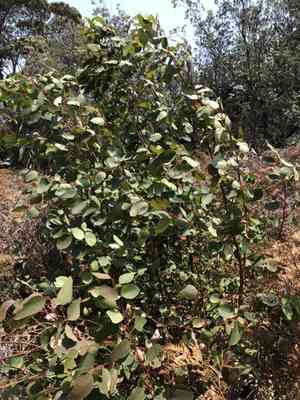
The eucalypts (Eucalyptus) are a huge and diverse group of trees and shrubs in the myrtle family. Eucalypts are strongly associated with Australia, as almost all these species are native to that continent. Many species are of great commercial importance to humans, harvested for timber or pulpwood, used as a source of nectar for bees, or planted ornamentally. Though many eucalypts are relatively small, the genus also boasts some truly massive species – one Mountain Ash (E. regnans), for instance, holds the record for being the second tallest tree in the world, having grown to a staggering 100 m tall.
Attributes of Eucalypts (Eucalyptus)
Images of Eucalypts (Eucalyptus)
Quickly Identify Eucalypts (Eucalyptus)
Scientific Classification of Eucalypts (Eucalyptus)
Toxicity of Eucalypts (Eucalyptus)
Is Eucalypts (Eucalyptus) toxic to humans?
Eucalyptus trees are highly regarded for their rapid growth rates and the high-quality timber and pulpwood they produce; however, the essential oils present in eucalypts can pose a toxicity risk to both humans and animals.
Is Eucalypts (Eucalyptus) toxic to cat?
A number of varieties within the Eucalyptus genus are known to possess varying degrees of toxicity to cats, ranging from mild to severe. The essential oils found in eucalyptus plants are unsafe for feline consumption, and if your cat consumes any portion of the plant, it is advisable to seek veterinary advice without delay. Typical signs of poisoning may encompass vomiting, diarrhea, lethargy, and excessive drooling.
Is Eucalypts (Eucalyptus) toxic to dog?
Every part of the eucalyptus (Eucalyptus) plant, including its essential oil, poses moderate to severe toxicity risks to dogs. If a dog comes into contact with the plant or its oils, whether by inhalation or ingestion, it may begin to wheeze, vomit, or exhibit confusion. The toxic effects can escalate to muscle weakness and seizures. A visit to the veterinarian is essential. Exercise caution in your home with any products that contain eucalyptus essential oil or any portions of this plant.

