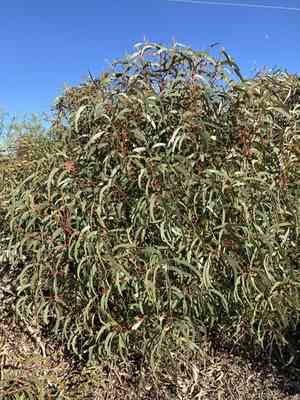
Illyarrie (Eucalyptus erythrocorys)
Also known as: Red-capped gum, Red capped gum, Red helmet
The Eucalyptus erythrocorys, also known as the Red-capped Gum, is a distinctive eucalyptus species that can reach up to 8 meters tall. This tree is particularly ornamental, featuring bright red, bulb-like caps and large, vivid yellow flowers that bloom during the summer and autumn. Although it grows slowly, its striking appearance makes it a popular choice for decorative purposes.
In This Article
Attributes of Illyarrie
Lifespan
Perennial
Plant Type
Tree
Plant Height
20 m
Spread
8 m
Leaf Color
Green
Flower Size
2 to 3 centimeters
Flower Color
Yellow
Images of Illyarrie
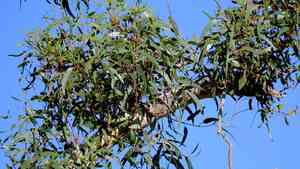
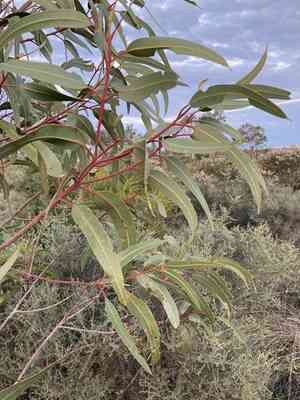
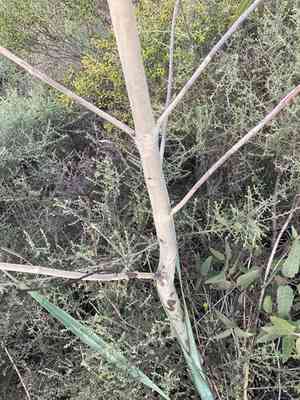
Quickly Identify Illyarrie
1
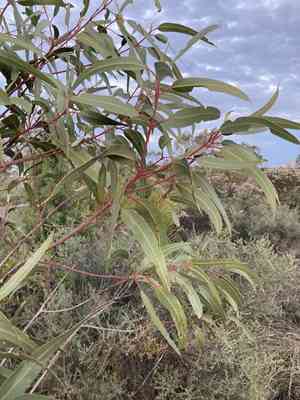
Aromatic lanceolate leaves with red petioles, 6-10 inches (15-25 cm) long.
2
Flower buds grouped in threes with bright red four-lobed operculum.
3
Operculum detaches to reveal bright yellow stamens in large 2-3 inch (5-7.5 cm) flowers.
Scientific Classification of Illyarrie
Phylum
Vascular plants
Class
Dicotyledons
Order
Myrtales
Family
Myrtle
Genus
Eucalypts
Species
Illyarrie
Planting and Growing of Illyarrie
Care Difficulty
Easy
Watering Schedule
Every 2 days
Sunlight Requirements
Full sun
Sunshine Duration
6-10 hours
Ideal Temperature
60-75℉
Soil Type
Potting Mix, Peat Mix
Soil pH
6.5-7.5
Fertilizer Type
Balanced
Pruning Season
Spring, Summer
Pruning Area
Branches, Leaves
Pruning Frequency
2 times a year
Repotting Season
Spring
Pot Type
Plastic, Ceramic
 How to Water Illyarrie?
When watering Eucalyptus erythrocorys, ensure the soil is thoroughly saturated without becoming waterlogged. Aim for about 500 ml each time, allowing the excess water to drain away to avoid root rot.
What are the symptoms of an underwatered Illyarrie?
›
What should I do if my Illyarrie is not getting enough water?
›
What are the symptoms of an overwatered Illyarrie?
›
How to save an overwatered Illyarrie?
›
 What Are the Sunlight Requirements for Illyarrie?
Eucalyptus erythrocorys ideally requires full sun, leading to optimal growth and vibrant red flowers, enhancing its resistance and aesthetic quality.
What is the ideal lighting environment for Eucalyptus erythrocorys?
›
How can I ensure my Eucalyptus erythrocorys gets the best light?
›
Why is proper sunlight crucial for Eucalyptus erythrocorys?
›
 What Is the Ideal Temperature Range for Illyarrie?
The ideal temperature range for Eucalyptus erythrocorys is between 60°F and 75°F. This range helps ensure optimal growth by facilitating key physiological processes, such as photosynthesis and respiration, providing a balance between sufficient warmth without undue stress from excessive heat.
 What Soil is Best for Illyarrie?
Eucalyptus erythrocorys thrives in soils with excellent drainage. Well-draining soil prevents waterlogging, which can cause root rot, ensuring the plant's roots have access to necessary oxygen for growth. This plant benefits from soils rich in organic matter, which provides essential nutrients for robust growth. Regular incorporation of compost or well-rotted manure can help maintain soil fertility. While good drainage is crucial, the soil should also retain some moisture to support the plant during dry spells. Sandy loam achieves this balance by holding enough water without becoming soggy.
 How to Fertilize Illyarrie?
Eucalyptus erythrocorys, commonly known as the Red-capped Gum, requires a modest amount of fertilizer. It's best to apply a balanced, all-purpose fertilizer at half the manufacturer's recommended rate to prevent nutrient burn in this species.
 How to Prune Illyarrie?
Over-pruning can stress Eucalyptus erythrocorys, leading to reduced growth and increased susceptibility to pests and diseases. Remove no more than 20% of the canopy in a single session. Since Eucalyptus trees are prone to bleeding sap, it's crucial to prune during favorable months like spring and summer when sap flow is minimized, preventing excess fluid loss. Protect young shoots as they can be tender and vulnerable to damage. Be gentle during the pruning process to foster healthy new growth. Always use sharp pruning shears and saws to ensure clean cuts, reducing the risk of introducing pathogens. Disinfect tools between cuts, especially after removing diseased wood.
More About Pruning Techniques→
 How to Propagate Illyarrie plant?
1
Fill the seed trays with a well-draining seed growing mix. Lightly moisten the surface of the soil to enhance seed adherence and initiate the germination process.
2
Sow the seeds evenly across the surface of the soil. Cover them lightly with a thin layer of sand or vermiculite to protect the seeds while allowing light penetration necessary for germination.
3
Select healthy, semi-hardwood cuttings from the plant. Cut at an angle just below a node. Remove the lower leaves and dip the end of the cutting in rooting hormone to stimulate root growth.
 How to Repot Illyarrie plant?
1
Eucalyptus erythrocorys needs repotting when you notice roots protruding from the drainage holes or the plant's growth has slowed considerably despite optimal care. Repotting during the spring or autumn when the plant is not in active bloom promotes better recovery and growth.
2
Select a pot that's 1-2 sizes larger with ample drainage. A slightly bigger space allows roots to expand, supporting robust growth and preventing root-bound conditions that can stunt the plant's development.
3
Choose a well-draining potting mix with sand or perlite. This ensures proper water drainage and prevents root rot, replicating the plant's natural habitat, thereby promoting healthier root development and optimal growth.



