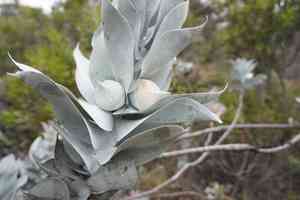
Mottlecah (Eucalyptus macrocarpa)
Also known as: Blue bush, Rose of the west
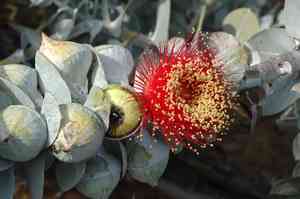
Mottlecah, native to Western Australia, typically blooms with striking red flowers from late spring to early summer. It thrives in Mediterranean climates, characterized by hot, dry summers and cool, wet winters. Once established, this hardy tree can endure challenging conditions such as drought and frost. Honeyeaters are particularly attracted to its nectar-rich flowers.
In This Article
Attributes of Mottlecah
Lifespan
Perennial
Plant Type
Shrub
Plant Height
5 m
Spread
2.5 m
Leaf Color
Greyish-blue
Flower Size
Up to 10 cm
Flower Color
Bright red to pink
Images of Mottlecah
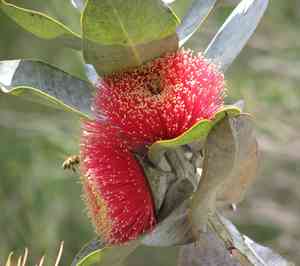
Quickly Identify Mottlecah
1
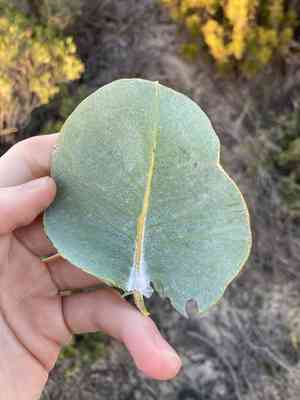
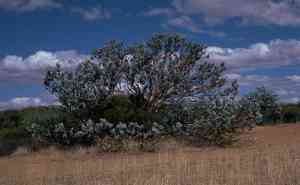
Sprawling habit, 8-10 feet tall, 2.4-3 meters, with powdery gray to near-white leaves.
2
Oppositely arranged, sessile, heart-shaped leaves with distinct menthol scent when bruised.
3
Large, red-stamen flowers, 4 inches wide, with yellow anthers and whitish-gray 'gumnuts' post-flowering.
Scientific Classification of Mottlecah
Phylum
Vascular plants
Class
Dicotyledons
Order
Myrtales
Family
Myrtle
Genus
Eucalypts
Species
Mottlecah
Planting and Growing of Mottlecah
Care Difficulty
Easy
Watering Schedule
Every 2 days
Sunlight Requirements
Full sun
Sunshine Duration
4-6 hours
Ideal Temperature
60-75℉
Soil Type
Potting Mix, Peat Mix
Soil pH
6.5-7.5
Fertilizer Type
Balanced
Pruning Season
Spring, Summer
Pruning Area
Branches, Leaves
Pruning Frequency
2 times a year
Repotting Season
Spring
Pot Type
Plastic, Ceramic
 How to Water Mottlecah?
Eucalyptus macrocarpa prefers to have its soil thoroughly soaked and then allowed to dry out between waterings. Ensure the water fully penetrates the root zone, approximately 250 ml per watering session is ideal to mimic its natural arid environment.
What are the symptoms of an underwatered Mottlecah?
›
What should I do if my Mottlecah is not getting enough water?
›
What are the symptoms of an overwatered Mottlecah?
›
How to save an overwatered Mottlecah?
›
 What Are the Sunlight Requirements for Mottlecah?
Eucalyptus macrocarpa thrives best with full sun exposure. Ideal lighting conditions promote hearty growth, fuller foliage, and more prolific bloom, reflecting the plant's overall well-being and resistance to external stresses.
What is the best lighting setup?
›
How can I achieve these conditions?
›
What benefits does ideal lighting offer?
›
 What Is the Ideal Temperature Range for Mottlecah?
Eucalyptus macrocarpa prefers a warm climate with temperatures consistently between 60°F and 75°F. These conditions replicate its native Australian environment, promoting robust growth and vibrant flowering. Ideally, maintaining stable temperatures within this range ensures optimal photosynthesis and overall plant health.
 What Soil is Best for Mottlecah?
Eucalyptus macrocarpa thrives in well-drained soils that prevent waterlogging. This is crucial as excess water can harm root development and lead to fungal diseases, ensuring robust and healthy growth. The plant prefers moderately nutrient-rich soil to support its impressive foliage and vibrant flowers. This supply of nutrients fosters robust growth and vibrant colors, making your garden stand out. While the soil should drain well, it also needs the ability to retain some moisture, especially during dry spells. This balanced moisture environment supports sustained growth during different weather conditions.
 How to Fertilize Mottlecah?
For Eucalyptus macrocarpa, use a balanced, low-phosphorus fertilizer. Given the plant's moderate nutrient needs, apply liquid fertilizer at a rate of 1 teaspoon per gallon of water for young plants. Mature plants are more resilient and may require slightly more, approximately 1.5 teaspoons per gallon.
 How to Prune Mottlecah?
To prune Eucalyptus macrocarpa, start by sterilizing your pruning shears to prevent disease spread. Focus on removing dead or damaged branches first, cutting them back to their base. Next, shape the tree by trimming overly long branches, making sure to cut just above a node to encourage new growth. Pruning during active growing seasons like spring and summer can maximize branching and vitality. Occasionally, deeper pruning may be needed to rejuvenate older or neglected Eucalyptus macrocarpa plants. Cut back the main branches more vigorously to promote new, vigorous growth. Ensure that at least a third of the mature structure remains to sustain the plant. Post-pruning, water and fertilize adequately to aid recovery.
More About Pruning Techniques→
 How to Propagate Mottlecah plant?
1
Start by preparing a well-draining soil mix for the seeds or cuttings. This ensures that the roots can develop without excess water causing rot. A mixture of sand and peat moss is generally recommended.
2
Scatter the seeds over the soil surface and lightly cover them with a thin layer of soil. Ensure that the seeds are evenly spaced to allow ample room for each to grow properly.
3
Select healthy branches from the parent plant. Cut a section of about 10 cm in length. Remove the leaves at the bottom of the cutting before planting it into the prepared soil.
 How to Repot Mottlecah plant?
1
Watch out for roots circling the pot’s edges or growing through drainage holes; these are clear signs Eucalyptus macrocarpa needs repotting. If nutrient uptake appears stunted despite feeding, it suggests soil compaction, indicating a repotting necessity. Finally, if water drains quickly, this signals reduced soil volume and effectiveness.
2
Choose a pot that is one to two sizes larger than the current one, ensuring it has ample drainage holes. A larger pot prevents root-bound issues, promotes healthy root expansion, and allows adequate soil for moisture retention, which is crucial for this plant to thrive.
3
Opt for a well-draining, sandy soil mix enriched with organic matter for Eucalyptus macrocarpa. This soil type prevents waterlogging, reducing root rot risks. Its loose texture encourages better root penetration and air circulation, crucial for vigorous plant health and growth.



