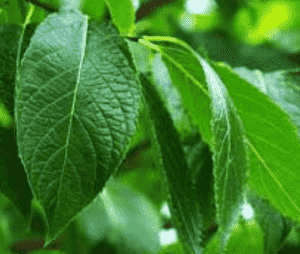
Hardy rubber tree (Eucommia ulmoides)
Also known as: Chinese rubber tree
The hardy rubber tree (Eucommia ulmoides), native to China and potentially extinct in the wild, is appreciated for its glossy leaves and strong resistance to diseases and pests. Often grown as a shade tree, it holds an important place in traditional Chinese culture. However, it is not suited for commercial rubber production.
In This Article
Attributes of Hardy rubber tree
Lifespan
Perennial
Plant Type
Tree
Plant Height
20 m
Spread
8 m to 11 m
Leaf Color
Green
Flower Size
2.5 cm
Flower Color
Green White Yellow
Images of Hardy rubber tree
Quickly Identify Hardy rubber tree
1
Smooth, gray bark with deep ridges and furrows, 1-2 inches (2.5-5 cm) thick.
2
Leaves: glossy green, oblong-ovate, 3-8 inches (7.5-20 cm) long, exude rubbery latex when torn.
3
Winged seeds in papery samaras, 1-1.5 inches (2.5-3.8 cm) long, aiding in wind dispersal.
4
Male flowers clustered, no petals; female flowers solitary, 1/8 inch (3 mm) diameter.
5
Robust trunk up to 65 feet (20 meters) tall, lacking terminal bud; thick, moderately branching stems.
Scientific Classification of Hardy rubber tree
Phylum
Vascular plants
Class
Dicotyledons
Order
Garryales
Family
Eucommiaceae
Genus
Eucommia
Species
Hardy rubber tree
Planting and Growing of Hardy rubber tree
Care Difficulty
Easy
Watering Schedule
Every 2 days
Sunlight Requirements
Full sun
Sunshine Duration
6-10 hours
Ideal Temperature
60-77℉
Soil Type
Potting Mix, Peat Mix
Soil pH
6.5-7.5
Fertilizer Type
Balanced
Pruning Season
Spring, Summer
Pruning Area
Branches, Leaves
Pruning Frequency
2 times a year
Repotting Season
Spring
Pot Type
Plastic, Ceramic
 How to Water Hardy rubber tree?
When watering Eucommia ulmoides, ensure the soil is moistened to a depth of 6-8 inches. This equates to approximately 500ml of water, but it can vary depending on the plant size and environmental conditions. The goal is to maintain moisture without waterlogging.
What are the symptoms of an underwatered Hardy rubber tree?
›
What should I do if my Hardy rubber tree is not getting enough water?
›
What are the symptoms of an overwatered Hardy rubber tree?
›
How to save an overwatered Hardy rubber tree?
›
 What Are the Sunlight Requirements for Hardy rubber tree?
Partial to full sun provides Eucommia ulmoides with the optimal energy needed for thriving. This plant benefits from such exposure with improved growth, increased resistance to environmental stresses, and enhanced leaf coloration.
More About Sunlight Requirements Techniques→
How much sunlight does Eucommia ulmoides need?
›
What are some solutions to meet its sunlight need?
›
What are the benefits of ideal lighting for Eucommia ulmoides?
›
 What Is the Ideal Temperature Range for Hardy rubber tree?
Eucommia ulmoides thrives best within a temperature range of 60 to 77 degrees Fahrenheit. This range ensures the plant maintains healthy growth and supports its natural development cycles. Providing this temperature consistently will contribute to robust foliage and active growth phases.
 What Soil is Best for Hardy rubber tree?
Eucommia ulmoides thrives in nutrient-rich soil, which provides essential minerals and supports vigorous growth. A rich soil content aids in the plant's robust development and resilience against diseases. This plant prefers well-drained conditions to prevent root rot. Ensuring that the soil allows excess water to escape quickly helps maintain healthy root systems and promotes optimal plant health. Maintaining moderate moisture levels in the soil ensures that Eucommia ulmoides has the hydration it needs without drowning the roots. Consistent and balanced watering supports its steady growth and foliage health.
 How to Fertilize Hardy rubber tree?
Eucommia ulmoides generally requires balanced fertilization to thrive. For liquid fertilizers, 10 ml per 4 liters of water is recommended, ensuring the soil remains well-drained during application. Avoid over-fertilizing to prevent root damage.
 How to Prune Hardy rubber tree?
Begin pruning Eucommia ulmoides by identifying any dead or diseased branches. Use sharp, clean pruning shears to make clean cuts just above a healthy bud or branch junction. For shaping, consider the natural shape of the tree and remove overgrown branches that may disrupt it. Always aim to maintain a balanced form, and take care not to remove more than one-third of the tree's foliage in a single season.
More About Pruning Techniques→
 How to Propagate Hardy rubber tree plant?
1
Choose mature and healthy seeds for propagation to ensure better germination rates. The seeds should be free from disease and any signs of damage.
2
Prepare a well-draining soil mix that includes sand, peat moss, and perlite. This mix ensures good aeration and moisture retention, crucial for seed germination and cutting propagation.
3
Sow seeds or plant cuttings into the prepared soil mix, ensuring they are planted at the correct depth. Water gently but thoroughly to settle the soil around the seeds or cuttings.
 How to Repot Hardy rubber tree plant?
1
Eucommia ulmoides should be repotted when it shows signs of outgrowing its current pot. Look for roots protruding from the drainage holes or the soil becoming compact. Early spring or autumn is ideal because the plant is less stressed and can recover quickly during these cooler periods.
2
Select a pot that is 1-2 inches larger in diameter than the current one. It should have ample drainage holes to prevent waterlogging, which can cause root rot. A larger pot provides space for the roots to grow, leading to a healthier and more vigorous plant.
3
Use a well-draining, fertile potting mix to ensure proper aeration and moisture retention. This prevents water from pooling at the roots, which can be detrimental. A soil mix containing organic matter like compost can enhance nutrient availability, promoting robust growth.
Learn More About Hardy rubber tree Diseases
Anthracnose
Bacterial Leaf Spot
Crown Gall
Damping-off
Downy Mildew
Drought Stress
Fusarium Wilt
Gray Mold
Leaf Curl
Leaf Spot
Mosaic
Nutrient Deficiency
Nutrient Toxicity
Powdery Mildew
Root Rot
Root-knot Nematode
Rusts
Sooty Mold
Spider Mites
Temperature Stress
Thrips Damage
White Mold
Chemical Injury



