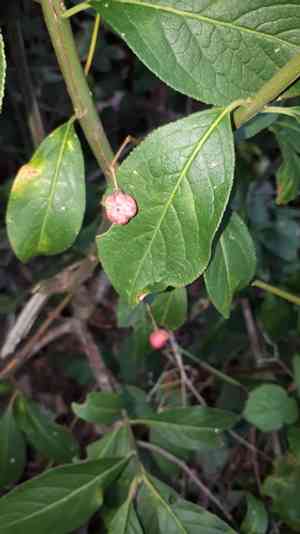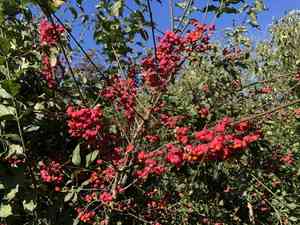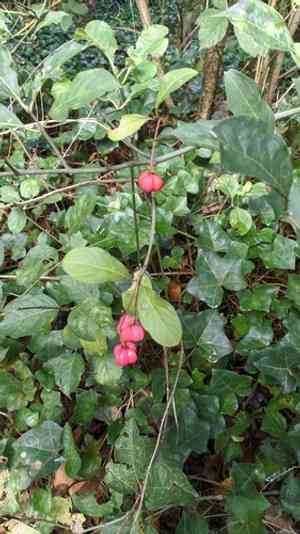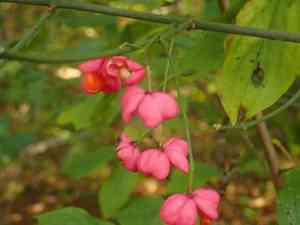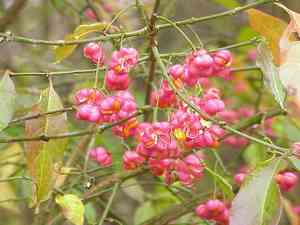
European spindletree(Euonymus europaeus)

European spindletree (Euonymus europaeus)

Also known as: Common spindletree, Spindleberry

The European spindletree (Euonymus europaeus) is favored in gardens and parks for its striking appearance, especially its vibrant autumn foliage and eye-catching pink and orange fruits. Additionally, it thrives in a variety of soil conditions, making it a versatile landscaping choice. While its wood is traditionally used for spindles, it's important to note that its fruit is toxic and can be harmful if ingested.

Attributes of European spindletree

Lifespan
Perennial
Plant Type
Shrub, Tree
Plant Height
2 m to 10 m
Spread
2 m to 2.5 m
Leaf Color
Green Yellow Red
Flower Size
1 mm to 2 mm
Flower Color
Yellow Green White

PlantJoy - Identify plants with a snap

Identify and diagnose plants, get toxicity alerts, and explore safety guides for all types of fungi.

Try for Free

Images of European spindletree

European spindletree(Euonymus europaeus)

Quickly Identify European spindletree

1
Tall deciduous plant, 15-20 feet (4.5-6 meters) high with oval to lance-shaped leaves.
2
Distinctive, 4-lobed pink to red capsules opening to bright orange seeds.
3
Small, yellowish-green flowers in clusters of 3 to 5, lacking a notable scent.
4
Leaves ovate to oblong-lanceolate, up to 3 inches (7.6 cm) long, with crenate-serrate margin.
5
Thin stem with greenish-red hue, becoming square and slightly hardened with age.

Scientific Classification of European spindletree

Phylum
Vascular plants
Class
Dicotyledons
Order
Celastrales
Family
Bittersweet
Genus
Spindle trees
Species
European spindletree

Planting and Growing of European spindletree

Care Difficulty
Easy
Watering Schedule
Every 2 days
Sunlight Requirements
Full sun
Sunshine Duration
6-10 hours
Ideal Temperature
50-77℉
Soil Type
Potting Mix, Peat Mix
Soil pH
6.5-7.5
Fertilizer Type
Balanced
Pruning Season
Spring, Summer
Pruning Area
Branches, Leaves
Pruning Frequency
2 times a year
Repotting Season
Spring
Pot Type
Plastic, Ceramic

water icon How to Water European spindletree?

When watering Euonymus europaeus, aim for about 500 milliliters each time. The goal is to moisten the soil evenly without causing it to become waterlogged. Ensure the soil is damp at least 4 inches deep, which encourages healthy root growth. Avoid creating puddles, as excess moisture can lead to root rot.
What are the symptoms of an underwatered European spindletree?
What should I do if my European spindletree is not getting enough water?
What are the symptoms of an overwatered European spindletree?
How to save an overwatered European spindletree?

sunlight icon What Are the Sunlight Requirements for European spindletree?

Sunlight Requirements: Full sun, Partial sun
Duration of light: 4-6 hours daily
Euonymus europaeus thrives best with partial to full sunlight, receiving 4 to 6 hours daily. Ideal lighting cultivates vibrant foliage, robust growth, and an increased defense against environmental stressors.
What are the ideal lighting conditions?
Solutions to achieve ideal lighting
Benefits of receiving ideal sunlight

temperature icon What Is the Ideal Temperature Range for European spindletree?

Ideal Temperature: 50 ~ 77℉
Euonymus europaeus, commonly known as European spindle, thrives best in a temperate climate with temperatures ranging from 50°F to 77°F. This temperature range allows for optimal growth and photosynthesis, as it provides a balanced environment where the plant can maintain its physiological processes without stress.

soil icon What Soil is Best for European spindletree?

Soil type: Loam, Sandy loam
Soil PH: 6.5 ~ 7.5
Euonymus europaeus thrives in well-drained soil, preventing root rot and ensuring healthy growth. Proper drainage allows nutrients to be more accessible to the roots, which is crucial for vibrant foliage and flower production. This plant prefers soil of moderate fertility, as excessive nutrients can lead to weak, leggy growth. Balanced nutrient levels support robust, bushy development and improve the plant's resilience against pests and diseases. While drainage is essential, the soil should also retain some moisture to keep roots hydrated. A loamy mix ensures that Euonymus europaeus can access the water it needs without becoming waterlogged.

fertilize icon How to Fertilize European spindletree?

Fertilizer type: Balanced
For Euonymus europaeus, it's essential to use a balanced 10-10-10 NPK fertilizer. During its active growing season in spring, apply approximately 1/4 cup of liquid fertilizer mixed with a gallon of water, distributing it evenly around the root zone. Avoid direct contact with the leaves to prevent burn.

prune icon How to Prune European spindletree?

Pruning Time: Spring, Autumn
To effectively prune Euonymus europaeus, start by removing any dead, damaged, or diseased branches to promote plant health. Next, focus on maintaining the desired shape of the plant by cutting back branches that are growing out of bounds. Always cut just above a node or bud that faces the direction in which you want the new growth to develop.

propagate icon How to Propagate European spindletree plant?

Propagate Time: Spring, Early spring
1
Harvest seeds in the autumn when the fruits split open. Clean and dry the seeds thoroughly to remove any pulp. Store them in a cool, dry place until planting in early spring.
2
In spring, select strong, healthy stems for cuttings. Cut them at a 45-degree angle, and remove the lower leaves to reduce moisture loss. Dip the cut end in rooting hormone to enhance root formation.
3
In early spring, sow the seeds in a well-drained seed-starting mix. Cover them lightly with soil, and water gently. Maintain consistent moisture until germination.

repot icon How to Repot European spindletree plant?

Repotting frequency: Every 2-3 years
1
Euonymus europaeus should be repotted when it shows signs of being root-bound, such as roots poking out of the drainage holes or soil that dries out rapidly after watering. It's best to choose a time in early spring before new growth begins to repot, as this allows the plant ample opportunity to establish itself in the new soil during the growing season.
2
When selecting a pot for Euonymus europaeus, opt for one that is slightly larger than the current pot, with good drainage holes to prevent waterlogging. A pot that is 2 inches larger in diameter is typically sufficient. The benefit of the proper pot size is that it encourages healthy root growth without causing the plant to expend excess energy filling a much larger volume of soil than it needs.
3
Select a well-draining loamy soil for Euonymus europaeus to avoid root rot, which can be caused by water retention in poorly draining soils. A mix that includes peat, bark, and perlite or sand will provide the necessary drainage and aeration, while also retaining enough moisture to support the plant's needs without overwhelming it.

PlantJoy - Identify plants with a snap

Find the best spots for them to optimize their health, simply using your phone.

Try for Free

Toxicity of European spindletree

Is European spindletree toxic to humans?

Every part of the European spindletree is regarded as toxic when consumed raw, with the fruit being particularly hazardous. Eating significant amounts of the vibrant purple and pink berries can lead to diarrhea, chills, weakness, vomiting, convulsions, and even coma. As a widely favored ornamental garden tree, the European spindletree poses a particular risk to children, who are often attracted to the berries due to their bright, candy-like appearance.

Is European spindletree toxic to cat?

The European spindletree poses a toxicity risk to felines. In the event that a cat inadvertently consumes any portion of the plant, it could result in poisoning. This plant is particularly hazardous as every part contains toxic compounds that are harmful to cats. Symptoms observed in affected cats can include physical distress, illness, or pain. It is crucial to seek prompt veterinary assistance if a cat is suspected of having ingested European spindletree to maximize the chances of recovery.

Is European spindletree toxic to dog?

The European spindletree is identified as a toxic species for dogs. All parts of this plant contain toxic elements, which can lead to poisoning if a dog consumes any portion. Symptoms that may arise from ingesting the European spindletree include vomiting, diarrhea, weakness, and alterations in heart rate. Therefore, it is essential for dog owners to keep a vigilant eye on their pets and prevent them from eating this plant. Should a dog consume European spindletree, seeking prompt veterinary attention is vital to manage any risk of poisoning.

Identify toxic plants for your safety

Learn which plants are harmful to you and your pets, and make informed choices for a safer home!

Try for Free
WARNING
The judgment on toxicity and danger is for reference only. We DO NOT GUARANTEE any accuracy of such judgment. Therefore, you SHALL NOT rely on such judgment. It is IMPORTANT TO SEEK PROFESSIONAL ADVICE in advance when necessary.