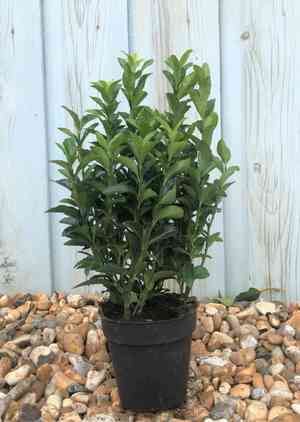
Evergreen spindle(Euonymus japonicus)

Evergreen spindle (Euonymus japonicus)

Also known as: Dwarf Japanese Euonymus , Golden euonymus, Japanese spindle

Evergreen spindle (Euonymus japonicus) is widely appreciated as an ornamental shrub, boasting a variety of cultivars. Its popularity in global parks and gardens stems from its exceptional adaptability and appealing aesthetics. The plant's flowers are rich in nectar, making it particularly attractive to bees.

Attributes of Evergreen spindle

Lifespan
Perennial
Plant Type
Shrub
Plant Height
2 m to 8 m
Spread
2 m
Leaf Color
Green Variegated
Flower Size
5 mm to 7 mm
Flower Color
White Green

PlantJoy - Identify plants with a snap

Identify and diagnose plants, get toxicity alerts, and explore safety guides for all types of fungi.

Try for Free

Images of Evergreen spindle

Evergreen spindle(Euonymus japonicus)

Quickly Identify Evergreen spindle

1
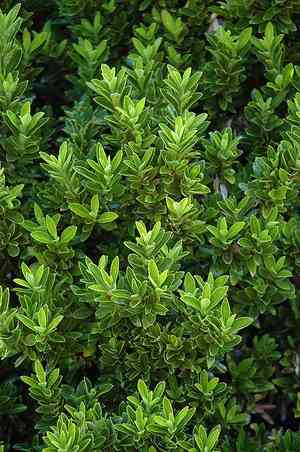
Dense shrub or small tree, 10-15 feet (3-4.5 meters) tall, oval silhouette.
2
Small flowers with unique greenish maroon color and vinegary scent, clustered in axillary cymes.
3
Striking spherical fruit capsule, 1/3 inch long (8.5 mm), with orange-red seeds and white arils.
4
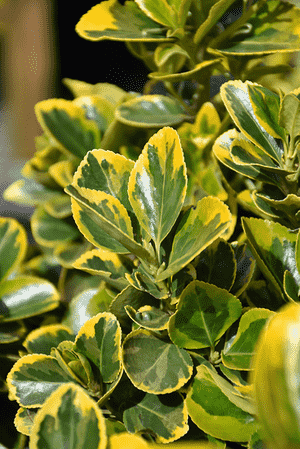
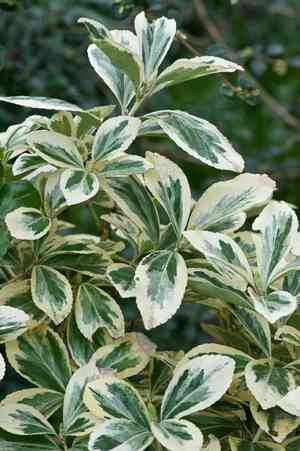
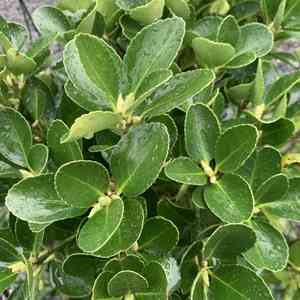
Thin, leathery leaves, 1-3 inches (2.5-7.6 cm) long, dark green upper surface, lighter underside.
5
Consistent green stem with small dark glandular dots, slender, up to 0.5 inches (1.3 cm) in diameter.

Scientific Classification of Evergreen spindle

Phylum
Vascular plants
Class
Dicotyledons
Order
Spindle tree order
Family
Bittersweet
Genus
Spindle trees
Species
Evergreen spindle

Planting and Growing of Evergreen spindle

Care Difficulty
Easy
Watering Schedule
Every 8 days
Sunlight Requirements
Full sun
Sunshine Duration
4-6 hours
Ideal Temperature
65-77℉
Soil Type
Potting Mix, Peat Mix
Soil pH
6.5-7.5
Fertilizer Type
Balanced
Pruning Season
Spring, Summer
Pruning Area
Branches, Leaves
Pruning Frequency
Once a year
Repotting Season
Spring
Pot Type
Plastic, Ceramic

water icon How to Water Evergreen spindle?

Water enough to keep the soil consistently moist but not waterlogged. The goal is to let the top inch of soil dry out between waterings. Too much water leads to root rot, while too little may cause stress.
What are the symptoms of an underwatered Evergreen spindle?
What should I do if my Evergreen spindle is not getting enough water?
What are the symptoms of an overwatered Evergreen spindle?
How to save an overwatered Evergreen spindle?

sunlight icon What Are the Sunlight Requirements for Evergreen spindle?

Sunlight Requirements: Full sun, Partial sun
Duration of light: 4-6 hours
Euonymus japonicus prospers best with a light range of partial to full sun. Ideal lighting promotes healthy foliage, vibrant colors, and robust growth, enabling the plant to perform efficiently in photosynthesis and metabolize effectively.
What is the optimal lighting condition for Euonymus japonicus?
How can one achieve ideal lighting for Euonymus japonicus?
What are the benefits of optimal lighting for Euonymus japonicus?

temperature icon What Is the Ideal Temperature Range for Evergreen spindle?

Ideal Temperature: 65 ~ 77℉
The ideal temperature range for Euonymus japonicus is between 65°F and 77°F. This range provides an optimal environment for growth, ensuring that the plant can photosynthesize efficiently and maintain overall health. Maintaining this ideal range helps in minimizing stress and potential damage to the plant.

soil icon What Soil is Best for Evergreen spindle?

Soil type: Loam, Sandy loam
Soil PH: 6.5 ~ 7.5
Euonymus japonicus thrives in well-drained soil, which prevents waterlogging and root rot. This condition allows the roots to breathe and absorb nutrients efficiently, promoting healthier growth and vibrant foliage. A soil with moderate fertility is preferred for Euonymus japonicus. This ensures sufficient nutrients are available without the risk of over-fertilization, which can lead to excessive leaf growth at the expense of root development. Maintaining consistent moisture in the soil is crucial. It helps the plant maintain its lush appearance and prevents stress during dry periods, which could otherwise lead to leaf drop or reduced vigor.

fertilize icon How to Fertilize Evergreen spindle?

Fertilizer type: Balanced
For Euonymus japonicus, apply a balanced 10-10-10 liquid fertilizer at half the recommended strength. Use approximately 1 tablespoon per gallon of water. For slow-release granules, apply about 1 cup per plant, ensuring even coverage over the root zone.

prune icon How to Prune Evergreen spindle?

Pruning Time: Spring, Summer, Autumn
Begin by identifying and removing any dead, diseased, or damaged branches. This clears the plant of unnecessary stress and allows it to concentrate its resources on healthy growth. Thin out crowded branches to improve air circulation. This step is crucial for reducing disease pressure and helping sunlight reach the inner sections of the plant, which encourages even growth.

propagate icon How to Propagate Evergreen spindle plant?

Propagate Time: Early summer, Late spring, Early spring
1
Choose healthy stems that are free from disease and pests, and make sure they have several leaf nodes. The selected stem should be semi-hardwood for cutting propagation to ensure it is mature enough to root successfully.
2
Cut a section of the stem about 4-6 inches long, ideally just below a node. Remove the lower leaves to expose at least three nodes, which will encourage rooting. Dip the cut end into rooting hormone to promote more efficient root development.
3
Insert the hormone-treated end of the cutting into a pot filled with a well-draining propagation media, such as a mixture of sand, peat, and perlite. Make sure to firm the soil around the stem and provide gentle watering to settle the media.

repot icon How to Repot Evergreen spindle plant?

Repotting frequency: Every 2-3 years
1
Euonymus japonicus often signals it's time for a new pot when roots start peeking through the drainage holes or the plant looks lackluster despite proper care. Choose to repot during its active growth period in spring or autumn for best results.
2
Pick a pot that's a size larger than the current one, ensuring it has ample drainage holes. The larger space allows for root expansion, contributing to a stronger, healthier plant. A pot that breathes well also helps to prevent root rot.
3
Use a well-draining potting mix that contains a balance of organic material and coarse sand or perlite. This type of soil ensures proper water retention and aeration, providing a conducive environment for root development.

PlantJoy - Identify plants with a snap

Find the best spots for them to optimize their health, simply using your phone.

Try for Free

Toxicity of Evergreen spindle

Is Evergreen spindle toxic to humans?

Every component of the evergreen spindle is regarded as toxic when consumed in substantial amounts. The symptoms can vary from mild to severe, potentially resulting in vomiting, weakness, diarrhea, chills, convulsions, and even coma. Given that these plants are frequently utilized as decorative hedges, it is essential to be aware of children who may come across the plant, drawn in by its vibrant leaves and blossoms, and might feel compelled to taste them.

Is Evergreen spindle toxic to cat?

The evergreen spindle is identified as a toxic plant for felines. Cats may inadvertently ingest various parts of the evergreen spindle, which poses a danger of poisoning. Each of its parts—seeds, flowers, fruits, leaves, roots, stems, and bark—are all deemed toxic. When consumed, cats can demonstrate symptoms of physical distress or health issues. It is essential for cat owners to be wary of keeping their pets away from evergreen spindle and to obtain swift veterinary assistance if they suspect that ingestion has occurred, as rapid intervention is vital.

Is Evergreen spindle toxic to dog?

The evergreen spindle is known to be a toxic plant for dogs, presenting a considerable health hazard upon ingestion. Dogs are at risk of poisoning from evergreen spindle when they accidentally consume any portion of the plant, which encompasses seeds, flowers, fruits, leaves, roots, stems, and bark. Following the consumption of evergreen spindle, dogs may display a range of symptoms indicative of poisoning. These symptoms can vary from mild to severe and may include vomiting, diarrhea, weakness, alterations in heart rate, seizures, or tremors. Considering the potential seriousness of these symptoms and the inherent toxicity associated with evergreen spindle, it is vital for dog owners to restrict access to this plant and to seek immediate veterinary attention if their dog has ingested any part of it.

Identify toxic plants for your safety

Learn which plants are harmful to you and your pets, and make informed choices for a safer home!

Try for Free
WARNING
The judgment on toxicity and danger is for reference only. We DO NOT GUARANTEE any accuracy of such judgment. Therefore, you SHALL NOT rely on such judgment. It is IMPORTANT TO SEEK PROFESSIONAL ADVICE in advance when necessary.