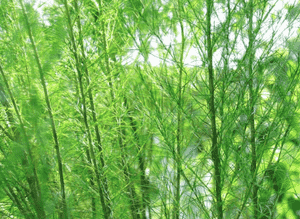
Dog fennel(Eupatorium capillifolium)

Dog fennel (Eupatorium capillifolium)

Also known as: Dogfennel

Dog fennel (Eupatorium capillifolium) is a tall, perennial herb known for its feathery, finely divided leaves that release a strong odor when crushed. The plant produces small, white flowers in clusters that bloom from late summer to early fall. It spreads through wind-dispersed seeds, enabling it to thrive in various environments.

**Uses:**
- **Traditional Uses:** Historically utilized in folk medicine, though caution is advised due to its potential toxicity.
- **Natural Repellent:** The strong odor of dog fennel makes it useful as a natural insect repellent.

**Precautions:**
- **Toxicity:** The plant contains toxic alkaloids, posing a risk to both humans and animals if ingested. Exercise caution, especially around pets and children.
- **Skin Sensitivity:** Some individuals may experience skin irritation or allergic reactions from handling the plant. Wearing gloves and protective clothing is recommended.
- **Invasiveness:** Dog fennel can be invasive, often overtaking native vegetation. Regular management is necessary to control its spread.

Always consult an expert before using dog fennel for any medicinal purposes to ensure safety and efficacy.

Attributes of Dog fennel

Lifespan
Perennial
Plant Type
Herb
Plant Height
50 cm to 2 m
Spread
30 cm to 60 cm
Leaf Color
Green
Flower Size
2 mm to 2.5 mm
Flower Color
White Pink

PlantJoy - Identify plants with a snap

Identify and diagnose plants, get toxicity alerts, and explore safety guides for all types of fungi.

Try for Free

Images of Dog fennel

Dog fennel(Eupatorium capillifolium)

Quickly Identify Dog fennel

1
Feather-like, finely dissected leaves emitting strong aroma when crushed.
2
Small, greenish-white flowers in dense, pyramid-shaped clusters (corymbs).
3
Dry, hard achenes lacking fleshy exterior for wind dispersal.
4
Tall stems with crowded, pinnately divided, feathery leaves emitting unpleasant odor.
5
Erect stem up to 6 feet (180 cm) tall, woody base, fine soft hairs.

Scientific Classification of Dog fennel

Phylum
Vascular plants
Class
Dicotyledons
Order
Asterales
Family
Daisy
Genus
Bonesets
Species
Dog fennel

Planting and Growing of Dog fennel

Care Difficulty
Easy
Watering Schedule
Every 2 days
Sunlight Requirements
Full sun
Sunshine Duration
6-10 hours
Ideal Temperature
65-75℉
Soil Type
Potting Mix, Peat Mix
Soil pH
5.5-7.5
Fertilizer Type
Balanced
Pruning Season
Spring, Summer
Pruning Area
Branches, Leaves
Pruning Frequency
Once a year
Repotting Season
Spring
Pot Type
Terracotta, Plastic

water icon How to Water Dog fennel?

For Eupatorium capillifolium, aim to thoroughly moisten the soil without over-saturating it. A single watering session should involve approximately 500 ml of water, ensuring the water reaches the roots but doesn't pool excessively. This ensures that the plant is adequately hydrated and can access necessary nutrients from the soil.
What are the symptoms of an underwatered Dog fennel?
What should I do if my Dog fennel is not getting enough water?
What are the symptoms of an overwatered Dog fennel?
How to save an overwatered Dog fennel?

sunlight icon What Are the Sunlight Requirements for Dog fennel?

Sunlight Requirements: Full sun, Partial sun
Duration of light: 6 to 8 hours
Eupatorium capillifolium prefers full to partial sun, making 6 to 8 hours daily ideal. Access to such lighting ensures vigorous growth, vibrant foliage, and overall plant health, reducing susceptibility to pests and diseases significantly.
What type of light does it prefer?
How to ensure it receives optimal sunlight?
What are the benefits of ideal lighting?

temperature icon What Is the Ideal Temperature Range for Dog fennel?

Ideal Temperature: 65 ~ 75℉
Eupatorium capillifolium thrives best in temperatures ranging from 65°F to 75°F. This range ensures optimal photosynthesis and metabolism, promoting vibrant foliage development. Maintaining this temperature indoors is crucial for the plant's healthy growth and flowering cycle.

soil icon What Soil is Best for Dog fennel?

Soil type: Sandy loam, Sand soil
Soil PH: 5.5 ~ 7.5
Eupatorium capillifolium prefers well-draining soil to prevent root rot. Ensuring the soil drains efficiently allows the plant to uptake necessary nutrients without being waterlogged, fostering healthier growth. This plant thrives in nutrient-rich soils, which help support its rapid growth and lush foliage. Using organic material such as compost can enhance the soil's nutrients, providing essential minerals for robust plant health. Eupatorium capillifolium does well in soils with a pH ranging from slightly acidic to neutral (5.5 to 7.5). Maintaining this pH level helps maximize nutrient availability, promoting vigorous plant development.

fertilize icon How to Fertilize Dog fennel?

Fertilizer type: Balanced
Eupatorium capillifolium, commonly known as dog fennel, requires a balanced application of fertilizer. A typical guideline is to use about half the recommended dose on the fertilizer package. This ensures that the plant receives nutrients without the risk of over-fertilization. Liquid fertilizers can be applied at a rate of 1 tablespoon per gallon of water, while granular fertilizers should not exceed 1 pound per 100 square feet.

prune icon How to Prune Dog fennel?

Pruning Time: Spring, Summer
Begin by examining your Eupatorium capillifolium for any dead, diseased, or damaged branches. Remove these first to prevent the spread of any potential pests or diseases. Trim back the stems to the desired length, focusing on maintaining a uniform and balanced appearance. Remove any straggly or disproportionately long branches to encourage a compact, bushy form. Whenever you make a cut, do so just above a leaf node or bud to promote new growth in these areas. This not only encourages healthier growth but also improves the overall appearance.

propagate icon How to Propagate Dog fennel plant?

Propagate Time: Spring,Early spring,Late spring
1
Begin by choosing a well-draining seed bed and enrich it with compost to provide necessary nutrients. The soil should be lightly tilled to ensure seeds have a soft medium to penetrate. Water the area to promote seed adhesion once sown.
2
Select healthy stems and cut beneath a node with sterilized pruning shears. Ideal cuttings are 4-6 inches long. Remove lower leaves, leaving only a few on top, which prevents excess moisture loss and aids root development.
3
Carefully dig up the plant to avoid root damage. Identify natural divisions or offsets and separate these with a clean knife. Each division should have roots and shoots to ensure successful establishment when replanted.
More About Propagating Techniques

repot icon How to Repot Dog fennel plant?

Repotting frequency: Every 2-3 years
1
Eupatorium capillifolium should be repotted when its roots start circling the pot's base, indicating constrained growth. Another sign is a noticeable slowdown in the plant's growth or if the soil drains too quickly, indicating soil exhaustion. These are cues that the plant needs a larger home.
2
Select a pot that is 1-2 inches larger in diameter than the current one and has good drainage holes at the bottom. A slightly larger pot ensures there is room for growth, and proper drainage prevents water accumulation, which can lead to root rot.
3
Opt for well-draining, organic-rich soil that retains sufficient moisture but dries out relatively quickly. Such soil allows the roots to access nutrients while preventing waterlogging, keeping the roots healthy and aerated, promoting vigorous growth.

PlantJoy - Identify plants with a snap

Find the best spots for them to optimize their health, simply using your phone.

Try for Free

Toxicity of Dog fennel

Is Dog fennel toxic to humans?

Dog fennel is classified as having moderate toxicity. Each part of this plant possesses alkaloids, including lycorine, that are harmful when ingested and can lead to liver damage, with the potential for liver failure. Current evidence does not suggest that direct contact with dog fennel results in adverse skin reactions. Be vigilant for this plant, as it often thrives along roadside areas and within pasture fields. A few reports suggest that this species may induce allergic reactions through its pollen and can aggravate hay fever symptoms.

Is Dog fennel toxic to cat?

Dog fennel poses a moderate risk of toxicity to felines. If consumed, any part of this plant can result in poisoning. Cats generally encounter these toxins by swallowing different parts of the plant. Indicators of distress in a cat that has ingested dog fennel may present as symptoms of physical discomfort or sickness, which might not be obvious at first. When a cat shows such symptoms, it is crucial for pet owners to seek immediate professional veterinary assistance to safeguard the health of their furry friend.

Is Dog fennel toxic to dog?

Eupatorium capillifolium, which is commonly referred to as Dog fennel, carries a moderate risk of toxicity for dogs. This plant can be harmful to canines if they consume any of its parts, as every section is deemed toxic. When dogs ingest dog fennel, they might show symptoms including gastrointestinal distress, lethargy, or more severe manifestations based on the quantity consumed. Given the moderate toxicity associated with dog fennel, it is vital for dog owners to keep a close watch on their pets and restrict access to this particular plant. Should a dog be suspected of having ingested dog fennel, it is imperative to seek immediate veterinary assistance to guarantee timely and suitable treatment.

Identify toxic plants for your safety

Learn which plants are harmful to you and your pets, and make informed choices for a safer home!

Try for Free
WARNING
The judgment on toxicity and danger is for reference only. We DO NOT GUARANTEE any accuracy of such judgment. Therefore, you SHALL NOT rely on such judgment. It is IMPORTANT TO SEEK PROFESSIONAL ADVICE in advance when necessary.
More About Toxic Techniques

