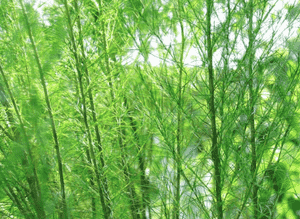
Dog fennel (Eupatorium capillifolium)
Also known as: Dogfennel
Dog fennel (Eupatorium capillifolium) is a tall, perennial herb known for its feathery, finely divided leaves that release a strong odor when crushed. The plant produces small, white flowers in clusters that bloom from late summer to early fall. It spreads through wind-dispersed seeds, enabling it to thrive in various environments.
**Uses:**
- **Traditional Uses:** Historically utilized in folk medicine, though caution is advised due to its potential toxicity.
- **Natural Repellent:** The strong odor of dog fennel makes it useful as a natural insect repellent.
**Precautions:**
- **Toxicity:** The plant contains toxic alkaloids, posing a risk to both humans and animals if ingested. Exercise caution, especially around pets and children.
- **Skin Sensitivity:** Some individuals may experience skin irritation or allergic reactions from handling the plant. Wearing gloves and protective clothing is recommended.
- **Invasiveness:** Dog fennel can be invasive, often overtaking native vegetation. Regular management is necessary to control its spread.
Always consult an expert before using dog fennel for any medicinal purposes to ensure safety and efficacy.
Attributes of Dog fennel
Images of Dog fennel
Quickly Identify Dog fennel
Scientific Classification of Dog fennel
Planting and Growing of Dog fennel
 How to Water Dog fennel?
 What Are the Sunlight Requirements for Dog fennel?
 What Is the Ideal Temperature Range for Dog fennel?
 What Soil is Best for Dog fennel?
 How to Fertilize Dog fennel?
 How to Prune Dog fennel?
 How to Propagate Dog fennel plant?
 How to Repot Dog fennel plant?
Toxicity of Dog fennel
Is Dog fennel toxic to humans?
Dog fennel is classified as having moderate toxicity. Each part of this plant possesses alkaloids, including lycorine, that are harmful when ingested and can lead to liver damage, with the potential for liver failure. Current evidence does not suggest that direct contact with dog fennel results in adverse skin reactions. Be vigilant for this plant, as it often thrives along roadside areas and within pasture fields. A few reports suggest that this species may induce allergic reactions through its pollen and can aggravate hay fever symptoms.
Is Dog fennel toxic to cat?
Dog fennel poses a moderate risk of toxicity to felines. If consumed, any part of this plant can result in poisoning. Cats generally encounter these toxins by swallowing different parts of the plant. Indicators of distress in a cat that has ingested dog fennel may present as symptoms of physical discomfort or sickness, which might not be obvious at first. When a cat shows such symptoms, it is crucial for pet owners to seek immediate professional veterinary assistance to safeguard the health of their furry friend.
Is Dog fennel toxic to dog?
Eupatorium capillifolium, which is commonly referred to as Dog fennel, carries a moderate risk of toxicity for dogs. This plant can be harmful to canines if they consume any of its parts, as every section is deemed toxic. When dogs ingest dog fennel, they might show symptoms including gastrointestinal distress, lethargy, or more severe manifestations based on the quantity consumed. Given the moderate toxicity associated with dog fennel, it is vital for dog owners to keep a close watch on their pets and restrict access to this particular plant. Should a dog be suspected of having ingested dog fennel, it is imperative to seek immediate veterinary assistance to guarantee timely and suitable treatment.



