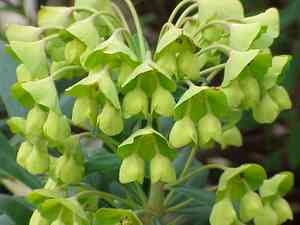
Mediterranean spurge (Euphorbia characias)
Also known as: Albanian spurge, Large mediterranean spurge, Euphorbia
The Texas Sage (Leucophyllum frutescens) is an evergreen flowering shrub that blossoms from spring to early summer. Its nectar-rich flowers are highly attractive to pollinators such as bees and butterflies. Well-suited for dry or well-drained soils, this plant is a popular option for desert gardens.
Attributes of Mediterranean spurge
Images of Mediterranean spurge
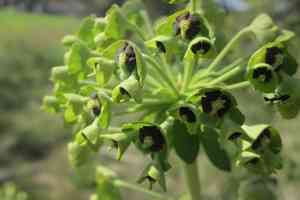
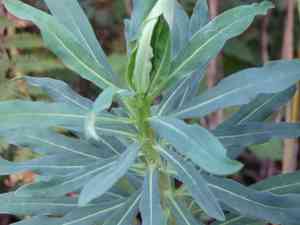
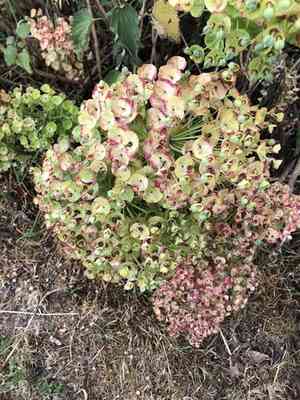
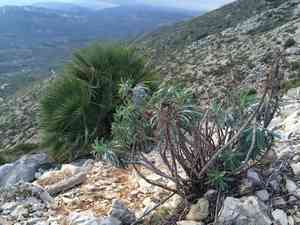
Quickly Identify Mediterranean spurge
Scientific Classification of Mediterranean spurge
Planting and Growing of Mediterranean spurge
 How to Water Mediterranean spurge?
 What Are the Sunlight Requirements for Mediterranean spurge?
 What Is the Ideal Temperature Range for Mediterranean spurge?
 What Soil is Best for Mediterranean spurge?
 How to Fertilize Mediterranean spurge?
 How to Prune Mediterranean spurge?
 How to Propagate Mediterranean spurge plant?
 How to Repot Mediterranean spurge plant?
Toxicity of Mediterranean spurge
Is Mediterranean spurge toxic to humans?
Mediterranean spurge presents a moderate toxicity risk to humans, primarily through skin exposure or unintentional ingestion. The sap of this plant contains diterpene esters, which are the culprits behind its toxic characteristics. When the sap comes into contact with the skin, it can trigger allergic reactions, while ingestion can result in more serious symptoms. These symptoms may encompass irritation of the mouth and throat, intense abdominal pain, vomiting, and diarrhea. Given the presence of these toxic compounds, every part of the plant that has sap is deemed hazardous. It is essential for individuals to approach Mediterranean spurge with caution to avert accidental poisoning, particularly in non-consumable situations where the likelihood of sap contact is heightened.
Is Mediterranean spurge toxic to cat?
Mediterranean spurge presents a moderate level of toxicity risk for cats. Contact with or unintentional ingestion of the plant's sap primarily leads to exposure. The primary toxic agents causing this risk are Diterpene esters. When exposed, cats can exhibit signs of physical distress, including but not limited to irritation at the site of contact. In case of poisoning, it is imperative to quickly obtain professional assistance at a veterinary clinic.
Is Mediterranean spurge toxic to dog?
Mediterranean spurge presents a moderate risk of toxicity for dogs. Canines can suffer from poisoning due to skin contact or accidental ingestion of this plant. The toxic element of mediterranean spurge is its sap, which can cause harmful health reactions. Symptoms of poisoning in dogs might include irritation at the site of contact, vomiting, diarrhea, and potentially more severe consequences depending on the level of exposure. Should a dog come into contact with or ingest mediterranean spurge, it is crucial to seek prompt veterinary attention to ensure appropriate treatment and management of symptoms.



