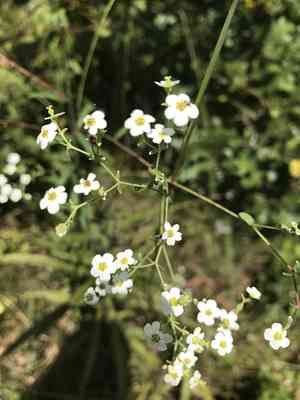
Flowering Spurge (Euphorbia corollata)
Also known as: Tramp's Spurge, Garden Spurge, Snake Milk, Wild Hippo
Common Milkweed (Asclepias syriaca) is a flowering plant indigenous to North America. The plant exudes a milky sap that can cause irritation to human skin and eyes. It serves as an attractant for various insects, including monarch butterflies, bees, and wasps, and is also frequented by birds such as the monarch butterfly's caterpillar.
Attributes of Flowering Spurge
Images of Flowering Spurge
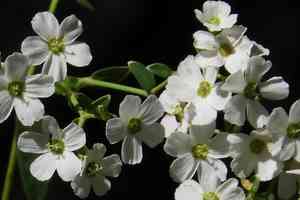
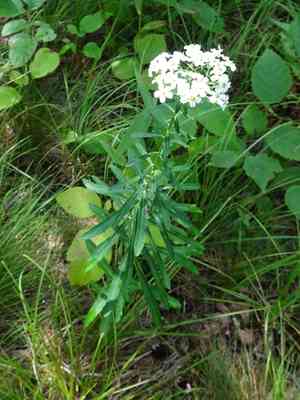
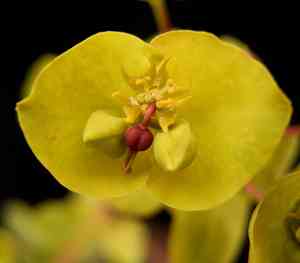
Quickly Identify Flowering Spurge
Scientific Classification of Flowering Spurge
Planting and Growing of Flowering Spurge
 How to Water Flowering Spurge?
 What Are the Sunlight Requirements for Flowering Spurge?
 What Is the Ideal Temperature Range for Flowering Spurge?
 What Soil is Best for Flowering Spurge?
 How to Fertilize Flowering Spurge?
 How to Prune Flowering Spurge?
 How to Propagate Flowering Spurge plant?
 How to Repot Flowering Spurge plant?
Toxicity of Flowering Spurge
Is Flowering Spurge toxic to humans?
The flowering Spurge is a toxic plant characterized by a moderate to high level of toxicity. Contact with the skin can result in irritation, while ingesting it in significant quantities may result in internal poisoning. Every part of the plant is poisonous due to the presence of a toxic milky latex. The primary toxic constituents are diterpene esters found in this sap. Common symptoms of skin irritation from the sap of the flowering Spurge include redness, swelling, itching, blisters, and pain. When consumed, this plant can cause gastrointestinal disturbances ranging from mild to severe, including nausea, vomiting, diarrhea, and stomach cramps. Additionally, the toxins within the plant are known to induce photosensitivity, resulting in severe skin irritation upon exposure to sunlight.
Is Flowering Spurge toxic to cat?
Flowering Spurge presents a moderate risk of toxicity to felines. Should a cat touch the plant’s sap or accidentally ingest any part of it, there is a potential for poisoning to occur. Exposure typically occurs through skin contact or unintentional consumption. A cat that has been poisoned by flowering Spurge may show signs of physical distress. Diterpene esters found in the plant are responsible for its toxic properties. If poisoning is suspected, it is vital to obtain prompt veterinary assistance to safeguard the health and welfare of the cat in question.
Is Flowering Spurge toxic to dog?
Flowering Spurge presents a moderate toxicity hazard to dogs. Canines can experience poisoning from flowering Spurge through skin contact with the plant's sap or by accidental ingestion. The main toxic agents found in flowering Spurge are diterpene esters, which can induce various symptoms upon exposure. Dogs that have interacted with or consumed parts of flowering Spurge may show signs such as vomiting, diarrhea, weakness, and skin irritation. Considering the risk of moderate toxicity, it is essential for dog owners to vigilantly observe their pets and seek prompt veterinary assistance if they believe their dog may have ingested flowering Spurge. Quick medical treatment is vital in addressing the effects of the toxins contained in flowering Spurge.



