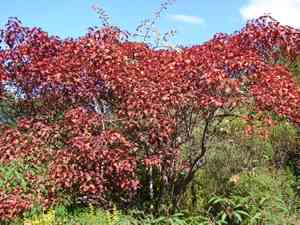
Caribbean copper plant (Euphorbia cotinifolia)
Also known as: Tropical smoke bush
When pruning Euphorbia cotinifolia, also known as the Caribbean Copper Plant or Tropical Smokebush, always wear protective gear like gloves, long sleeves, and eye protection to avoid contact with its toxic sap. This perennial shrub can grow between 3 to 6 meters tall. The sap can cause skin irritation and eye injuries, so take care to avoid exposure. Use sanitized, sharp pruning tools to ensure clean cuts and prevent disease. Dispose of trimmings safely, keeping them away from children and pets.
Attributes of Caribbean copper plant
Images of Caribbean copper plant
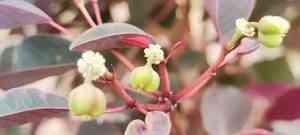
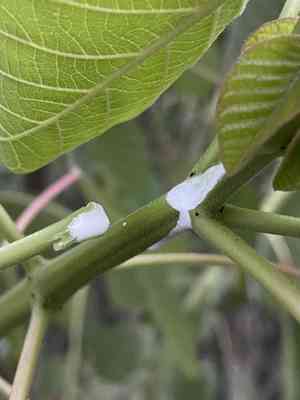
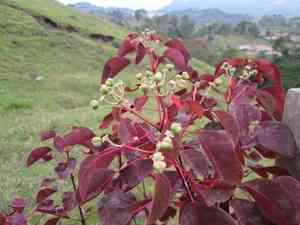
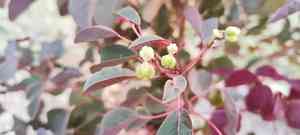
Quickly Identify Caribbean copper plant
Scientific Classification of Caribbean copper plant
Planting and Growing of Caribbean copper plant
 How to Water Caribbean copper plant?
 What Are the Sunlight Requirements for Caribbean copper plant?
 What Is the Ideal Temperature Range for Caribbean copper plant?
 What Soil is Best for Caribbean copper plant?
 How to Fertilize Caribbean copper plant?
 How to Prune Caribbean copper plant?
 How to Propagate Caribbean copper plant plant?
 How to Repot Caribbean copper plant plant?
Toxicity of Caribbean copper plant
Is Caribbean copper plant toxic to humans?
The sap from the Caribbean copper plant possesses toxic properties upon direct contact, which necessitates caution among tree trimmers. This sap can provoke irritation to the eyes and impair vision. If the tree sap touches the skin, it may result in redness and discomfort. Both the leaves and bark of the Caribbean copper plant are only harmful if consumed. Typical symptoms include vomiting, nausea, and diarrhea. The vibrant leaves may attract small children, posing a risk. Ingestion can lead to potential harm to internal organs, particularly affecting the liver and kidneys.
Is Caribbean copper plant toxic to cat?
The Caribbean copper plant presents a significant toxicity threat to cats if ingested. When felines consume the sap or juice of this plant, they risk poisoning. Symptoms of severe physical discomfort may appear in various distressing forms after ingestion. It is crucial for cat owners to safeguard their pets from the Caribbean copper plant and remain vigilant for any indications of illness. Should there be any suspicion of poisoning from the Caribbean copper plant, it is vital for owners to promptly seek veterinary care to address any symptoms and to ensure their cat's safety and health.
Is Caribbean copper plant toxic to dog?
The Caribbean copper plant presents a significant toxicity hazard to dogs. When dogs encounter this plant, especially by ingesting its sap or juice, they face the risk of poisoning. Such ingestion can result in various symptoms, which may include vomiting, diarrhea, lethargy, abdominal pain, and in certain cases, more severe reactions that depend on the quantity consumed and the individual dog's sensitivity. Given its potent toxicity, it is essential for dog owners to ensure their pets cannot access the Caribbean copper plant and to closely monitor them if they are in proximity to it. Should there be any suspicion that a dog has ingested this toxic plant, it is vital to seek immediate veterinary assistance to secure the best possible outcome for the animal.



