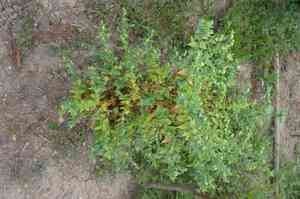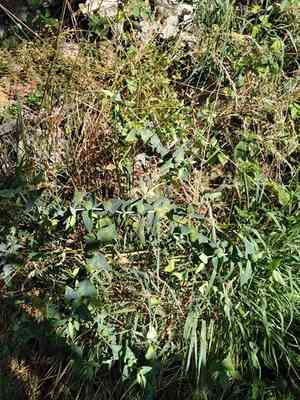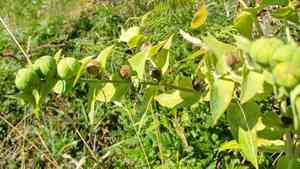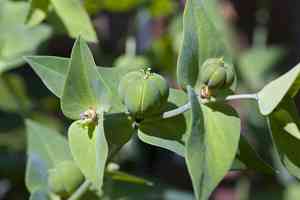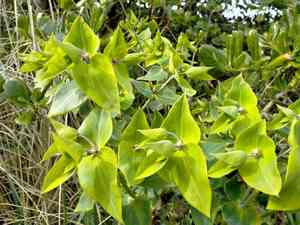
Caper spurge(Euphorbia lathyris)

Caper spurge (Euphorbia lathyris)

Also known as: Moleplant, Paper spurge, Gopher plant

Caper spurge (Euphorbia lathyris) is widely recognized as an invasive weed and is toxic to humans and nearly all livestock. Interestingly, some goats can consume caper spurge without adverse effects. However, the toxins from the plant can be transferred to the goat's milk, rendering it unsafe for human consumption. Despite its toxicity, caper spurge is sometimes used to repel moles and gophers from gardens.

Attributes of Caper spurge

Lifespan
Annual, Biennial, Perennial
Plant Type
Herb
Plant Height
1.5 m
Spread
30 cm
Leaf Color
Green Blue
Flower Size
4 mm
Flower Color
Yellow Green

PlantJoy - Identify plants with a snap

Identify and diagnose plants, get toxicity alerts, and explore safety guides for all types of fungi.

Try for Free

Images of Caper spurge

Caper spurge(Euphorbia lathyris)

Quickly Identify Caper spurge

1
Cup-shaped inflorescence with yellow glands
2
Tri-lobed capsules with coarse texture
3
Lanceolate leaves with waxy texture
4
Blue-green fleshy stems exude milky latex
5
Male and female flowers on same plant

Scientific Classification of Caper spurge

Phylum
Vascular plants
Class
Dicotyledons
Order
Malpighiales
Family
Spurge
Genus
Spurges
Species
Caper spurge

Planting and Growing of Caper spurge

Care Difficulty
Easy
Watering Schedule
Every 2 days
Sunlight Requirements
Full sun
Sunshine Duration
6-8 hours
Ideal Temperature
60-75℉
Soil Type
Potting Mix, Peat Mix
Soil pH
6.5-7.5
Fertilizer Type
Balanced
Pruning Season
Spring, Summer
Pruning Area
Branches, Leaves
Pruning Frequency
2 times a year
Repotting Season
Spring
Pot Type
Plastic, Ceramic

water icon How to Water Caper spurge?

The ideal amount of water for Euphorbia lathyris is approximately 250 milliliters per session. This ensures the soil remains moist but is not waterlogged, allowing for adequate aeration and preventing root rot.
What are the symptoms of an underwatered Caper spurge?
What should I do if my Caper spurge is not getting enough water?
What are the symptoms of an overwatered Caper spurge?
How to save an overwatered Caper spurge?

sunlight icon What Are the Sunlight Requirements for Caper spurge?

Sunlight Requirements: Full sun, Partial sun
Duration of light: 4 to 6 hours
Euphorbia lathyris flourishes in full to partial sun, ideally receiving four to six hours of light. Adequate light energizes growth, enhances flowering, and bolsters the plant's resilience against pest infestations.
What is the ideal location for planting?
How do I adjust lighting conditions for varied seasons?
What benefits does ideal lighting offer this plant?

temperature icon What Is the Ideal Temperature Range for Caper spurge?

Ideal Temperature: 60 ~ 75℉
The ideal temperature range for Euphorbia lathyris cultivation is between 60°F and 75°F. This range is essential because it closely mimics the plant’s native growing conditions, ensuring optimal photosynthesis and growth. Maintaining this range helps the plant develop healthy foliage and robust stems, thus enhancing its overall vigor and resistance to diseases.

soil icon What Soil is Best for Caper spurge?

Soil type: Loam, Sandy loam, Calcareous soil
Soil PH: 6.5 ~ 7.5
Euphorbia lathyris thrives best in well-drained soil, which prevents waterlogging and root rot. Ensuring good drainage is crucial as it allows roots to access necessary air, promoting healthy growth and establishment of the plant. This plant does not demand highly fertile soil, making moderate soil fertility ideal. A soil with average nutrient levels supports its growth without causing excessive leaf growth that might weaken the plant's structure. Preferring a soil pH between 6.5 and 7.5, Euphorbia lathyris enjoys a neutral to slightly alkaline environment, which facilitates optimal nutrient uptake and promotes vibrant growth.

fertilize icon How to Fertilize Caper spurge?

Fertilizer type: Balanced
For Euphorbia lathyris, appropriate fertilization is key. When using liquid fertilizers, dilute the fertilizer at half the recommended strength to prevent root burn, especially during the growing season. In terms of volume, about one teaspoon per gallon of water is a safe starting point. In the case of slow-release fertilizers, use only a few granules sprinkled lightly over the soil surface, ensuring even coverage.

prune icon How to Prune Caper spurge?

Pruning Time: Spring, Summer, Autumn
Prune Euphorbia lathyris by first inspecting the plant for any dead or damaged stems. Use a sharp, clean pair of pruning shears to cut these stems back to healthy tissue. Next, focus on thinning out crowded areas to improve air circulation. Cut back stems to the base or to a lateral branch, maintaining the natural shape of the plant. Avoid cutting the main stem unless absolutely necessary, and always make cuts at a slight angle to prevent water from collecting on the cut surface.

propagate icon How to Propagate Caper spurge plant?

Propagate Time: Spring, Early spring
1
Begin by filling the seed trays with a sterile potting mix, ensuring even distribution. Scatter the seeds gently over the surface, then cover with a light layer of soil.
2
Water the seeds lightly using a gentle spray to avoid displacing them. Cover the trays with a plastic lid to maintain humidity, essential for seed germination.
3
Place the trays in a location that receives indirect sunlight. Avoid direct sun which may dry out the seedlings, but ensure enough light to promote healthy growth.

repot icon How to Repot Caper spurge plant?

Repotting frequency: Every 2-3 years
1
Euphorbia lathyris needs repotting when you notice its roots begin to emerge from the drainage holes, signifying it has outgrown its container. Another signal is the plant exhibiting slowed growth due to root bound conditions. Ideal repotting times are early spring or autumn when the plant is less active, minimizing stress.
2
Choose a pot that is just one size larger than the current one, ensuring it has adequate drainage holes. Opting for a pot barely larger helps prevent overwatering-related issues by restricting excessive soil retention. This also keeps the root-promoting comfortable conditions for further growth.
3
Selecting well-drained sandy soil is crucial as it mimics the natural habitat of Euphorbia lathyris, promoting robust growth. This type of soil prevents waterlogging and root rot, crucial for the plant's health. It retains enough moisture while allowing excess to escape, thus providing an ideal balance.

PlantJoy - Identify plants with a snap

Find the best spots for them to optimize their health, simply using your phone.

Try for Free

Toxicity of Caper spurge

Is Caper spurge toxic to humans?

The stalk and foliage of caper spurge are imbued with a toxic latex that can lead to skin irritations and gastrointestinal distress. This milky sap may induce considerable inflammation on sensitive skin areas. In the event it contacts open wounds, one may experience excruciating pain coupled with a burning sensation. Additionally, it can provoke irritation in the eyes and oral cavity, with symptoms including blurred vision, watery eyes, redness, and swelling. Blisters and lesions may develop in the mouth as well. While ingestion of the sap is uncommon, it can lead to intense abdominal pain, with the severity varying based on the quantity consumed. Symptoms such as diarrhea, nausea, and vomiting are frequently observed following the consumption of any part of this toxic plant.

Is Caper spurge toxic to cat?

Caper spurge carries a moderate level of toxicity for cats, presenting a serious hazard. If felines ingest any part of the plant, particularly the fruits and sap, they are at risk of poisoning. This exposure can result in visible discomfort and various symptoms of illness, necessitating immediate observation. Should poisoning occur, it is essential to quickly obtain treatment at a veterinary clinic to safeguard the health and safety of the affected cat.

Is Caper spurge toxic to dog?

Caper spurge presents a moderate toxicity threat to dogs. Poisoning generally occurs when a dog consumes components of the plant, especially its fruits, or when it comes into contact with its sap. Following the ingestion or contact with these harmful parts, a dog may display symptoms such as vomiting and diarrhea, along with potentially more serious reactions that depend on the quantity ingested. It is imperative for dog owners to remain alert and deter their pets from reaching caper spurge. If poisoning is suspected, prompt veterinary assistance is vital to secure the optimal outcome for the affected pet.

Identify toxic plants for your safety

Learn which plants are harmful to you and your pets, and make informed choices for a safer home!

Try for Free
WARNING
The judgment on toxicity and danger is for reference only. We DO NOT GUARANTEE any accuracy of such judgment. Therefore, you SHALL NOT rely on such judgment. It is IMPORTANT TO SEEK PROFESSIONAL ADVICE in advance when necessary.