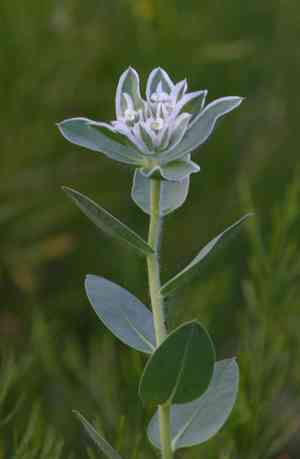
Snow-on-the-mountain (Euphorbia marginata)
Also known as: Mountain snow, Ghost weed, Whitemargined spurge, Smoke-on-the-prairie
**Japanese Forest Grass (Hakonechloa macra 'Aureola')** is an excellent option for areas with limited sunlight where other plants may struggle. This species flourishes in shaded environments and serves as a unique ground cover. Its leaves are particularly notable, displaying shades of white, light yellow, or variegated patterns. The combination of these colors gives the plant a striking appearance, making it a standout choice for shady gardens.
Attributes of Snow-on-the-mountain
Images of Snow-on-the-mountain
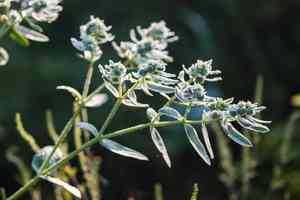

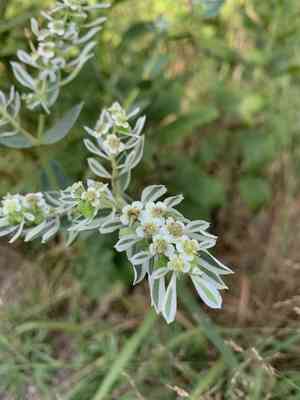
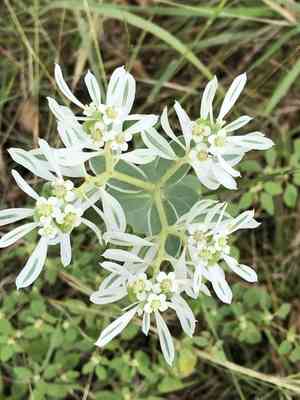
Quickly Identify Snow-on-the-mountain
Scientific Classification of Snow-on-the-mountain
Planting and Growing of Snow-on-the-mountain
 How to Water Snow-on-the-mountain?
 What Are the Sunlight Requirements for Snow-on-the-mountain?
 What Is the Ideal Temperature Range for Snow-on-the-mountain?
 What Soil is Best for Snow-on-the-mountain?
 How to Fertilize Snow-on-the-mountain?
 How to Prune Snow-on-the-mountain?
 How to Propagate Snow-on-the-mountain plant?
 How to Repot Snow-on-the-mountain plant?
Toxicity of Snow-on-the-mountain
Is Snow-on-the-mountain toxic to humans?
Snow-on-the-mountain is considered a mildly toxic plant whether consumed fresh or dried. Every part of the plant, including the stems, leaves, and blossoms, contains a toxic white, milky sap. When this sap comes into contact with the skin, common reactions include redness, swelling, itching, and sometimes blisters. People with allergies may experience more pronounced symptoms. Additionally, the sap can irritate the eyes, nose, and mouth, leading to burning sensations and blurry vision, along with sores in the nasal passages and oral cavity. While ingesting the plant is seldom fatal, it often leads to abdominal discomfort, with nausea, vomiting, diarrhea, and stomach pain being typical side effects.
Is Snow-on-the-mountain toxic to cat?
Snow-on-the-mountain is harmful to cats and can lead to poisoning if accidentally consumed. Every part of this plant poses a toxic threat, making any interaction or ingestion potentially hazardous for felines. Following exposure to snow-on-the-mountain, a cat may display various symptoms of physical distress or illness, which can differ according to the quantity ingested and the particular sensitivity of the cat. It is crucial to obtain immediate care at a veterinary facility if a cat is believed to have contacted or ingested snow-on-the-mountain, to secure the best possible recovery for the pet.
Is Snow-on-the-mountain toxic to dog?
Snow-on-the-mountain is a plant that poses significant toxicity to dogs, presenting a serious health threat when ingested. Dogs can inadvertently consume various parts of the snow-on-the-mountain plant, resulting in poisoning. Every part of this plant is dangerous, meaning any consumption can lead to harmful reactions. Symptoms of toxicity in dogs may encompass vomiting, diarrhea, lethargy, and more severe indications such as respiratory distress or alterations in heart rate. It is essential for dog owners to remain watchful and deter their pets from coming into contact with snow-on-the-mountain. Should there be any suspicion that a dog has ingested any part of this plant, seeking immediate veterinary assistance is vital for symptom management and the overall safety of the pet.



