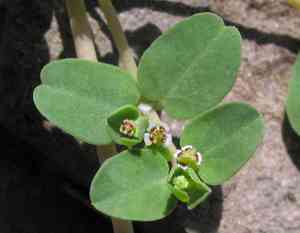
Matted Sandmat (Euphorbia serpens)
Also known as: Mattress vine, Serpent spurge
Matted Sandmat (Euphorbia prostrata) is an annual weed that spreads flat on the ground, forming a dense mat. It features a long tap root and produces resilient seeds, making it tough to remove. The sap of this plant can cause skin irritation and is toxic.
Attributes of Matted Sandmat
Images of Matted Sandmat
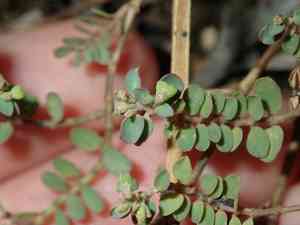
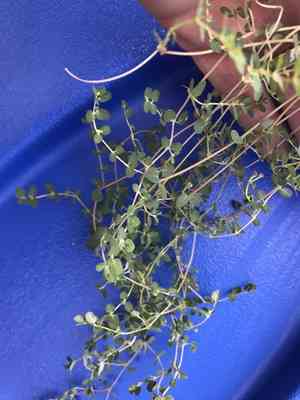
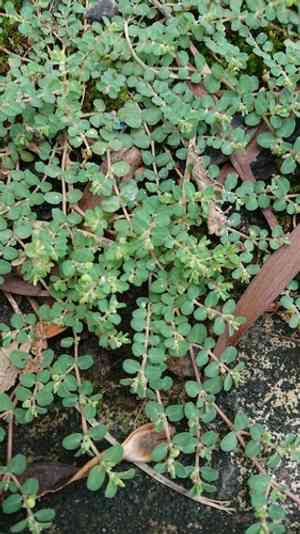
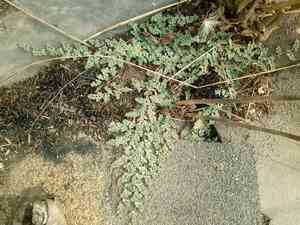
Quickly Identify Matted Sandmat
Scientific Classification of Matted Sandmat
Planting and Growing of Matted Sandmat
 How to Water Matted Sandmat?
 What Are the Sunlight Requirements for Matted Sandmat?
 What Is the Ideal Temperature Range for Matted Sandmat?
 What Soil is Best for Matted Sandmat?
 How to Fertilize Matted Sandmat?
 How to Prune Matted Sandmat?
 How to Propagate Matted Sandmat plant?
 How to Repot Matted Sandmat plant?
Toxicity of Matted Sandmat
Is Matted Sandmat toxic to humans?
Matted Sandmat poses a risk if ingested, as it can lead to skin irritation. Individuals walking barefoot on the beach may be especially vulnerable to direct contact with its sap. This sap can also heighten the skin's sensitivity to sunlight. Further irritation may occur, particularly if the sap comes into contact with the eyes. Notably, even dried leaves and stems can harbor residual toxins. Additionally, Matted Sandmat is known to possess carcinogenic properties, with extended exposure potentially raising the risk of certain cancer types. Consuming any part of this plant can provoke irritation within the digestive system. The latex found in the sap may induce symptoms such as nausea, diarrhea, and vomiting.
Is Matted Sandmat toxic to cat?
Matted Sandmat possesses a moderate level of toxicity, posing potential health risks to felines. Cats may be exposed to this plant either through skin contact or unintentional ingestion. The chief danger originates from the plant's sap, which contains diterpene esters recognized for their toxic characteristics. If a cat is poisoned, it may display symptoms of physical discomfort that could worsen without timely intervention from a veterinarian. Therefore, it is crucial for cat owners to restrict their pets' access to matted Sandmat and to obtain immediate veterinary assistance if any negative health effects are observed.
Is Matted Sandmat toxic to dog?
Matted Sandmat presents a moderate level of toxicity risk for dogs. Canines can experience poisoning from matted Sandmat via direct skin contact with the plant's sap or through accidental ingestion. Exposure to matted Sandmat may result in a variety of symptoms, which could include vomiting, diarrhea, loss of appetite, lethargy, and severe cases may even lead to dermatitis. The toxins responsible for these adverse effects are diterpene esters, present in the sap of the plant. If a dog has contact with or consumes any part of matted Sandmat, it is essential to obtain immediate veterinary assistance to safeguard their health and receive suitable treatment.



