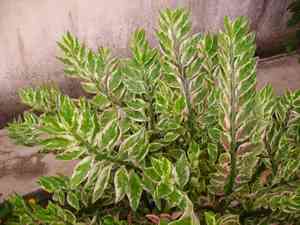
Devil's-backbone (Euphorbia tithymaloides)
Also known as: Christmas candle, Zig-zag plant, Japanese poinsettia, Cimora misha
Devil's-backbone (Euphorbia tithymaloides) is a succulent species of spurge native to North and Central America. It has been planted in gardens since the 17th century and valued for its unique appearance and its habit of attracting hummingbirds. However, nearly all parts of this species are toxic and should not be consumed.
Attributes of Devil's-backbone
Images of Devil's-backbone


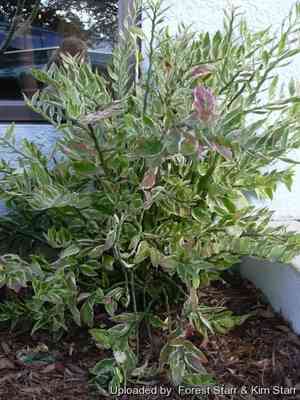

Quickly Identify Devil's-backbone
Scientific Classification of Devil's-backbone
Toxicity of Devil's-backbone
Is Devil's-backbone toxic to humans?
Devil's-backbone exhibits moderate toxicity to humans. This plant contains a variety of compounds that can irritate both the skin and the gastrointestinal tract. Contact with the milky sap may lead to skin redness, itching, or blister formation, and if it enters the eyes, it could result in blurred vision. Consuming the roots, stems, or leaves may lead to symptoms such as vomiting, diarrhea, and pain or swelling in the mouth and throat, potentially causing difficulties in swallowing or breathing. Although poisoning from Devil's-backbone is almost never life-threatening, it should still be considered a serious issue that requires prompt attention. These plants are frequently found as houseplants, meaning that caretakers might unintentionally come into contact with the sap when tending to an injured plant. Incidents of poisoning due to ingestion are quite rare among humans.
Is Devil's-backbone toxic to cat?
The Devil's-backbone is a harmful plant to felines, posing a significant threat if any of its parts are ingested inadvertently. Every part of the devil's-backbone poses a poisoning risk, making it crucial to keep cats at a safe distance from this plant. Should a cat ingest it, they may exhibit signs of physical distress or sickness. Pet owners need to watch their animals for any indications of discomfort and promptly seek veterinary care to safeguard their cat's well-being and health.
Is Devil's-backbone toxic to dog?
Devil's-backbone is a poisonous plant for dogs, presenting a considerable hazard if consumed. Dogs might inadvertently ingest sections of this plant, resulting in toxicity. The whole plant is detrimental, which implies that any part should be regarded as hazardous if a dog interacts with it. Following ingestion, dogs can display various signs characteristic of poisoning. It is vital for dog owners to watch their pets closely for any indications of discomfort and to seek urgent veterinary assistance if they suspect their dog has consumed any portion of devil's-backbone. Timely intervention at a veterinary clinic is critical in mitigating the effects of the toxin and securing the best possible prognosis for the affected animal.

