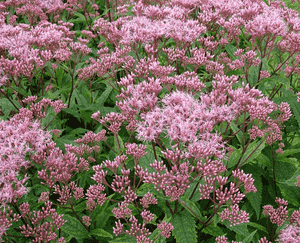
Spotted Joe-Pye weed (Eutrochium maculatum)
Also known as: Joe Pye weed, Spotted trumpetweed
Spotted Joe-Pye weed, a perennial plant indigenous to North America, can reach heights of up to 2 meters. Commonly found in moist environments like marshlands and swamps, it features purplish-pink flowers atop stems that are either purple or green with distinctive purple spots.
In This Article
Attributes of Spotted Joe-Pye weed
Lifespan
Perennial
Plant Type
Herb
Plant Height
2 m
Spread
1.2 m to 1.5 m
Leaf Color
Green
Flower Size
2.5 cm
Flower Color
Pink Purple Red
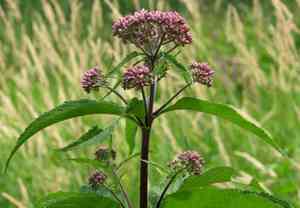
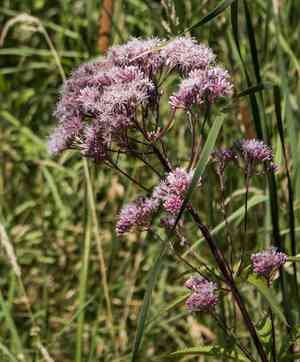
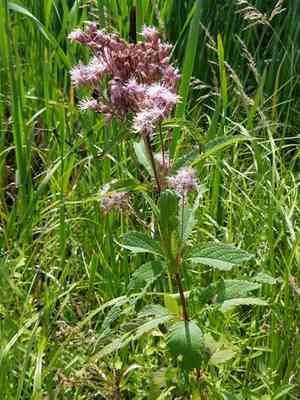
Images of Spotted Joe-Pye weed
Quickly Identify Spotted Joe-Pye weed
1
Whorled lance-shaped leaves with sharp toothed margins
2
Flat-topped clusters of purplish disk florets without ray florets
3
Robust purple-streaked stems with fine hairs
4
Small, hairy achenes for wind dispersal
5
Upright growth habit reaching up to 6 feet tall
Scientific Classification of Spotted Joe-Pye weed
Phylum
Vascular plants
Class
Dicotyledons
Order
Asterales
Family
Daisy
Genus
Joe-pye weeds
Species
Spotted Joe-Pye weed
Planting and Growing of Spotted Joe-Pye weed
Care Difficulty
Easy
Watering Schedule
Every 5 days
Sunlight Requirements
Full sun
Sunshine Duration
6-10 hours
Ideal Temperature
60-75℉
Soil Type
Potting Mix, Peat Mix
Soil pH
6.5-7.5
Fertilizer Type
Balanced
Pruning Season
Spring, Summer
Pruning Area
Branches, Leaves
Pruning Frequency
2 times a year
Repotting Season
Spring
Pot Type
Plastic, Ceramic
 How to Water Spotted Joe-Pye weed?
Eutrochium maculatum requires a consistent level of moisture. Each watering session should aim to thoroughly soak the soil without leaving standing water. Approximately 500 milliliters is ideal, ensuring the water penetrates deeply, promoting healthy root growth.
What are the symptoms of an underwatered Spotted Joe-Pye weed?
›
What should I do if my Spotted Joe-Pye weed is not getting enough water?
›
What are the symptoms of an overwatered Spotted Joe-Pye weed?
›
How to save an overwatered Spotted Joe-Pye weed?
›
 What Are the Sunlight Requirements for Spotted Joe-Pye weed?
The ideal light range for Eutrochium maculatum is full sun to partial sun, translating to 6 to 8 hours of sunlight. This balance ensures abundant blooming and vigorous growth, contributing to the plant's ornamental appeal.
More About Sunlight Requirements Techniques→
How much sunlight is ideal for Eutrochium maculatum?
›
What are the benefits of providing Eutrochium maculatum with ideal lighting?
›
How can I ensure Eutrochium maculatum gets the right amount of sun?
›
 What Is the Ideal Temperature Range for Spotted Joe-Pye weed?
The ideal temperature range for Eutrochium maculatum is between 60 and 75 degrees Fahrenheit. Within this range, the plant experiences optimal growth and development since these conditions closely resemble its native environment. Maintaining these temperatures helps the plant perform essential physiological processes effectively.
 What Soil is Best for Spotted Joe-Pye weed?
Eutrochium maculatum thrives in well-drained soils, ensuring that roots don't suffer from waterlogging. This promotes healthy root development and robust plant growth. This plant benefits from nutrient-rich soils, which provide the essential minerals for vigorous growth and vibrant flowers. Regularly adding organic matter can enhance soil fertility. Although drainage is crucial, the soil should also retain some moisture to keep the plant hydrated, especially during dry spells. Mulching can help maintain consistent moisture levels.
 How to Fertilize Spotted Joe-Pye weed?
For Eutrochium maculatum, applying a balanced fertilizer with a ratio like 10-10-10 is ideal. Use approximately 1 ounce per gallon of water when using liquid fertilizers. For solid or granular fertilizers, sprinkle about 1 tablespoon per square foot around the base of the plant.
 How to Prune Spotted Joe-Pye weed?
Start by using clean, sharp pruning shears to cut back stems to the ground in early spring before new growth emerges. Focus on removing any dead or damaged stems. In summer, a light trim can encourage more blooms by cutting back individual stems after flowering. When pruning for shape in the spring, consider the natural form of Eutrochium maculatum. Trim selectively to maintain its architectural look, removing no more than a third of the plant at a time to avoid stress.
More About Pruning Techniques→
 How to Propagate Spotted Joe-Pye weed plant?
1
Collect seeds from mature plants in autumn. It's important to let them dry out in a cool, dark place during the winter before planting them in early spring.
2
Sow seeds in seed trays with a well-draining medium. Lightly cover with soil and keep the trays in a warm spot with indirect light to encourage germination.
3
For division, dig up the mature plant in early spring. Use a garden spade to separate the root clumps, ensuring each section has an adequate root system before replanting.
 How to Repot Spotted Joe-Pye weed plant?
1
Spotting the right time to repot Eutrochium maculatum is crucial. Look for roots poking through the drainage holes or when growth appears stunted even with proper care. Additionally, if the plant's soil dries out more quickly than usual, it indicates that the current pot might be too cramped.
2
Select a pot that is one to two inches larger in diameter than the current one to allow for root expansion. Ensure it has several drainage holes to prevent waterlogging. A terracotta pot is preferable as it allows better air exchange, which is beneficial for maintaining healthy root systems.
3
Opt for humus-rich, well-draining soil. A mix with a high organic content aids in retaining the right amount of moisture while allowing excess to drain, ensuring that the roots receive adequate oxygen. Avoid overly heavy soils that could suffocate the plant's roots and hinder growth.
Learn More About Spotted Joe-Pye weed Diseases
Anthracnose
Bacterial Leaf Spot
Bacterial Soft Rot
Bacterial Wilt
Chemical Injury
Damping-off
Downy Mildew
Drought Stress
Fusarium Wilt
Gray Mold
Leaf Spot
Mosaic
Nutrient Deficiency
Nutrient Toxicity
Powdery Mildew
Root Rot
Root-knot Nematode
Rusts
Sooty Mold
Spider Mites
Temperature Stress
Thrips Damage
White Mold



