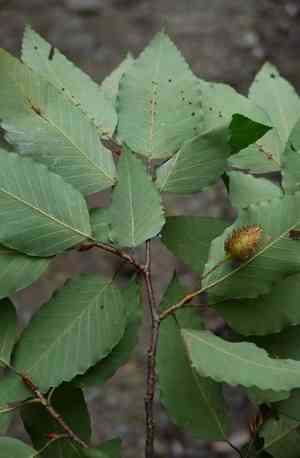
American beech (Fagus grandifolia)
Also known as: American Beech, North American Beech
Fagus grandifolia, commonly referred to as the American beech, is a large deciduous tree native to the ravines, slopes, and valleys of eastern North America. Its wood is prized for its robust and fine-textured qualities. The American beech's wood is frequently utilized in the crafting of sturdy furniture and serves as an excellent source of firewood.
In This Article
Attributes of American beech
Lifespan
Perennial
Plant Type
Tree
Plant Height
20 m to 30 m
Spread
12 m to 24 m
Leaf Color
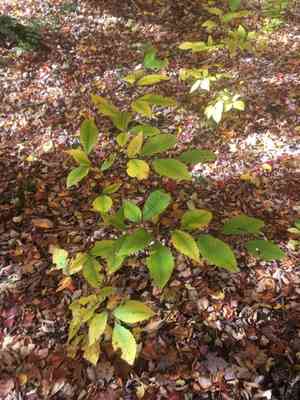
Green Yellow
Flower Size
The flowers are small, inconspicuous, and less than 1 cm in diameter.
Flower Color
Yellow Green White
Images of American beech
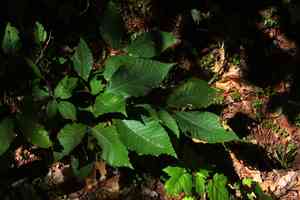
Quickly Identify American beech
1
Smooth, thin gray bark distinguishes american beech among trees, lacking fissures or roughness.
2
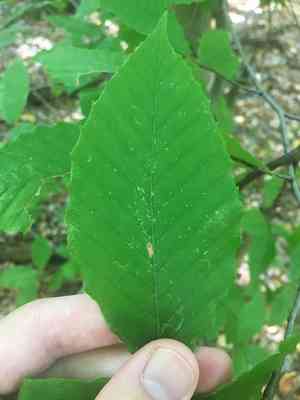
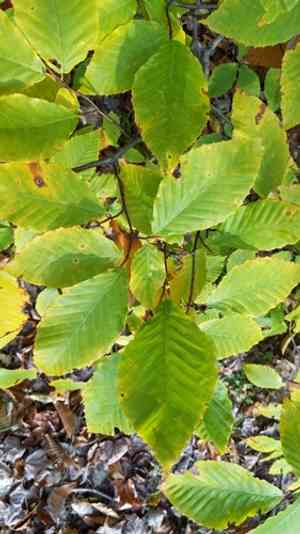
Ovate-oblong leaves with acuminate tips, serrated edges, and tiny bristles on margins.
3
Zig-zag gray stems with slender awl-shaped buds ending in pointed tips.
4
Small yellowish-green flowers lack petals, forming clusters in March to May.
5
Triangular nuts in spiky brown husks, ripening in fall and edible.
Scientific Classification of American beech
Phylum
Vascular plants
Class
Dicotyledons
Order
Fagales
Family
Beech
Genus
Beeches
Species
American beech
Planting and Growing of American beech
Care Difficulty
Moderate
Watering Schedule
Every 4 days
Sunlight Requirements
Full shade
Sunshine Duration
6-10 hours
Ideal Temperature
60-75℉
Soil Type
Potting Mix, Peat Mix
Soil pH
4.5-6.5
Fertilizer Type
Balanced
Pruning Season
Spring, Summer
Pruning Area
Branches, Leaves
Pruning Frequency
2 times a year
Repotting Season
Spring
Pot Type
Plastic, Ceramic
 How to Water American beech?
For Fagus grandifolia, the watering amount is critical. Ensure that the soil is evenly moist but not soggy. It's recommended to water deeply, around 500 ml, allowing the water to penetrate to a depth of at least 6 inches. This ensures the roots access adequate moisture without waterlogging.
What are the symptoms of an underwatered American beech?
›
What should I do if my American beech is not getting enough water?
›
What are the symptoms of an overwatered American beech?
›
How to save an overwatered American beech?
›
 What Are the Sunlight Requirements for American beech?
Fagus grandifolia thrives best in partial shade. Ideal light conditions promote dense foliage and vibrant leaf color, contributing to the plant's robust health and ornamental appeal.
More About Sunlight Requirements Techniques→
What is the ideal light condition for Fagus grandifolia?
›
How can I achieve the ideal light condition for this plant?
›
What are the benefits of ideal light conditions for this plant?
›
 What Is the Ideal Temperature Range for American beech?
The optimal temperature range for the growth of Fagus grandifolia, also known as the American beech, is between 60°F to 75°F. This temperature range provides the tree with conditions for optimal photosynthesis, nutrient uptake, and overall health. Consistent temperatures within this range facilitate proper leaf and bud development, leading to robust growth.
 What Soil is Best for American beech?
Fagus grandifolia thrives in well-drained soil, which prevents root rot by keeping excess water from accumulating. This type of soil ensures the roots receive adequate oxygen, promoting healthy growth. This species favors consistently moist soil, essential for maintaining its lush foliage and vigorous health. Moisture retention supports nutrient uptake and prevents dehydration during dry spells. Nutrient-rich soil provides necessary minerals and vitamins, which are crucial for this tree's large stature. This ensures robust growth and a resistance to adverse environmental conditions.
 How to Fertilize American beech?
Fagus grandifolia, or the American beech, doesn't demand copious amounts of fertilizer. Use a balanced, complete fertilizer with a ratio around 10-10-10, administering half a cup per mature tree, spread evenly over the root zone.
 How to Prune American beech?
In early spring, begin by removing any dead or diseased branches. This ensures that the tree remains healthy and reduces the risk of disease spread. Use clean and sharp pruning shears, and make cuts at a 45-degree angle to the branch collar. To shape Fagus grandifolia, focus on thinning crowded areas to allow more light into the canopy and improve air circulation. Selectively remove branches that are growing inward or crossing each other. Be cautious not to over-prune, as this can stress the tree.
More About Pruning Techniques→
 How to Propagate American beech plant?
1
Collect seeds from mature beech nuts that have fallen to the ground. Ensure they are viable by placing them in water; discard any that float as they are unlikely to germinate.
2
Perform cold stratification on the seeds by placing them in a refrigerator for about 90 days. This mimics the natural winter conditions necessary to break seed dormancy and promote germination.
3
Sow the stratified seeds in a mix of sand and peat in a seed tray. Plant them at a depth of about one inch and place the tray in a warm, bright location. Keep the substrate consistently moist but not waterlogged.
 How to Repot American beech plant?
1
Repot Fagus grandifolia when you notice it has become root-bound or its growth has slowed. Additionally, observe any drainage issues or if the soil becomes compacted, as these are signs that it’s time to give it a more spacious home.
2
Select a pot that is 2-3 inches larger in diameter than the current one. It should have sufficient drainage holes to prevent waterlogging. This will enable proper root expansion and improved aeration, which are crucial for the tree's health.
3
Use a soil mix that is well-draining and slightly acidic for Fagus grandifolia. This type of soil provides the necessary nutrients and pH level that mimic its natural forest floor environment, promoting robust growth and vitality.



