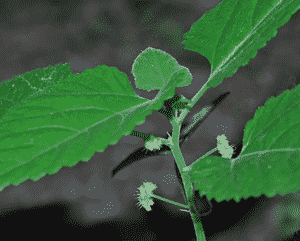
Mulberry weed (Fatoua villosa)
Also known as: Fat weed, Crabweed
Mulberry weed (Fatoua villosa), originally from Asia, has invaded the eastern United States. This plant often grows in greenhouses, leading to the belief that its spread was facilitated through contaminated horticultural materials.
In This Article
Attributes of Mulberry weed
Lifespan
Annual
Plant Type
Herb
Plant Height
30 cm to 80 cm
Spread
30 cm
Leaf Color
Green
Flower Size
5 mm
Flower Color
White Cream Purple Brown
Images of Mulberry weed
Quickly Identify Mulberry weed
1
Soft, hairy texture distinguishes mulberry weed in both stems and leaves.
2
Triangular leaves with toothed edges and prominent pinnate veins.
3
Purple flowers transition to dark brown, clustering delicately in leaf axils.
4
Distinctive three-angled achene fruit with explosive seed dispersal mechanism.
5
Erect stems covered in fine, short hairs, secreting milky sap when cut.
Scientific Classification of Mulberry weed
Phylum
Vascular plants
Class
Dicotyledons
Order
Rosales
Family
Mulberry
Genus
Fatoua
Species
Mulberry weed
Planting and Growing of Mulberry weed
Care Difficulty
Easy
Watering Schedule
Every 2 days
Sunlight Requirements
Partial sun
Sunshine Duration
4-8 hours
Ideal Temperature
60-75℉
Soil Type
Potting Mix, Peat Mix
Soil pH
5.5-7
Fertilizer Type
Balanced
Pruning Season
Spring, Summer
Pruning Area
Branches, Leaves
Pruning Frequency
2 times a year
Repotting Season
Spring
Pot Type
Plastic, Ceramic
 How to Water Mulberry weed?
For Fatoua villosa, a moderate watering approach is essential. Water approximately 200 milliliters per session, ensuring the soil is moistened but not waterlogged. The goal is to keep the soil moist to the touch but ensure that excess water drains well. This keeps the roots hydrated without risking root rot.
What are the symptoms of an underwatered Mulberry weed?
›
What should I do if my Mulberry weed is not getting enough water?
›
What are the symptoms of an overwatered Mulberry weed?
›
How to save an overwatered Mulberry weed?
›
 What Are the Sunlight Requirements for Mulberry weed?
Partial sun to full shade is ideal, promoting vibrant and healthy growth. This range supports suitable photosynthetic activity without overwhelming the plant with intense light stress.
What type of light does Fatoua villosa prefer?
›
How can I achieve the ideal lighting for Fatoua villosa?
›
What benefits does Fatoua villosa gain from ideal lighting?
›
 What Is the Ideal Temperature Range for Mulberry weed?
The ideal temperature range for growing Fatoua villosa is between 60°F and 75°F. This range allows for optimal metabolic activity and growth rate, ensuring the healthiest development of the plant. Consistently maintaining temperatures within this range can lead to robust foliage and potentially prolific flowering.
 What Soil is Best for Mulberry weed?
Fatoua villosa thrives in nutrient-rich soils that supply ample organic matter. This contributes to healthy foliage and robust growth, ensuring the plant receives essential elements like nitrogen, phosphorus, and potassium. The plant requires well-draining soil to prevent waterlogging, detrimental root rot, and other moisture-related problems. Good drainage allows roots to breathe and enhances water uptake. Fatoua villosa prefers consistently moist soil without being waterlogged. Maintaining this balance supports hydration without the risk of fungal growth or other moisture-induced diseases.
 How to Fertilize Mulberry weed?
Fatoua villosa requires a balanced approach for fertilization. Use a liquid fertilizer diluted to half strength, around 10-15 ml per liter of water, during active growth periods. This ensures the plant gets essential nutrients without the risk of over-fertilization.
 How to Prune Mulberry weed?
Begin by examining the plant for any dead or damaged branches. Removing these helps the plant focus its energy on healthy growth. Trim back long stems to maintain the desired shape and size. This promotes a bushier appearance and prevents the plant from becoming leggy. Consistently prune throughout the selected seasons to manage growth effectively and avoid letting the plant become untidy or overly dense.
 How to Propagate Mulberry weed plant?
1
Gather mature seeds from healthy plants during late summer when the seed pods have dried. Ensure the seeds are fully mature for the best germination rates.
2
Fill the seed tray with a well-draining potting mix. Lightly moisten the soil to create an ideal environment for seed germination.
3
Sow the seeds evenly on the surface of the prepared mix, and cover them lightly with more potting mix. Ensure the seeds are spaced to allow adequate air circulation.
 How to Repot Mulberry weed plant?
1
Fatoua villosa displays clear signals when it's time to repot. Look for roots emerging from the drainage holes or a visibly stunted growth. These are the plant's way of telling you it needs more space to grow. Ideal repotting times are during the growth periods of spring and summer, as this permits the plant to quickly acclimatize and adapt to its new environment.
2
Select a pot that is about 2 inches larger in diameter than the current one. This size optimally balances extra growing space with moisture retention, preventing waterlogging. Ensure the pot has adequate drainage holes to facilitate excess water escape, thus protecting the roots from rot and promoting oxygen circulation around them.
3
Opt for a well-draining potting mix tailored for foliage plants. This type of soil retains necessary moisture while facilitating good airflow, preventing plant stress. It should be rich in organic matter to provide necessary nutrients and mimic the native environments that Fatoua villosa thrives in, promoting robust growth.
Learn More About Mulberry weed Diseases
Anthracnose
Bacterial Leaf Spot
Bacterial Soft Rot
Bacterial Wilt
Black Spot
Chemical Injury
Crown Gall
Damping-off
Downy Mildew
Drought Stress
Fusarium Wilt
Gray Mold
Leaf Curl
Leaf Spot
Mosaic
Nutrient Deficiency
Nutrient Toxicity
Powdery Mildew
Root Rot
Root-knot Nematode
Rusts
Sooty Mold
Spider Mites
Temperature Stress
Thrips Damage
White Mold


