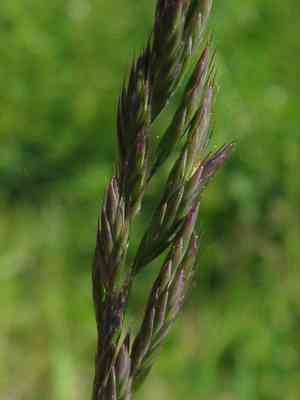
Red Fescue (Festuca rubra)
Also known as: Red Fescue, Creeping Red Fescue
Fine fescue, particularly Red Fescue (Festuca rubra), is a perennial grass that excels as ground cover and is frequently used for erosion control. It performs well in both sun and shade, making it ideal for shaded areas. This grass can be maintained like traditional turf or left to grow longer. Its slender, needle-like leaves create a graceful, wind-swept effect in the garden.
In This Article
Attributes of Red Fescue
Lifespan
Perennial
Plant Type
Grass
Plant Height
30 cm to 70 cm
Spread
10 cm
Leaf Color
Green Blue Gray Silver
Flower Size
5 cm to 20 cm
Flower Color
Yellow Brown Purple Gold
Images of Red Fescue
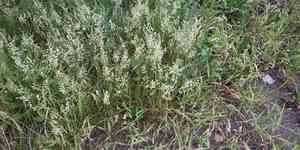
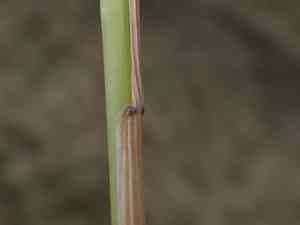
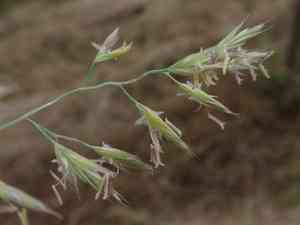
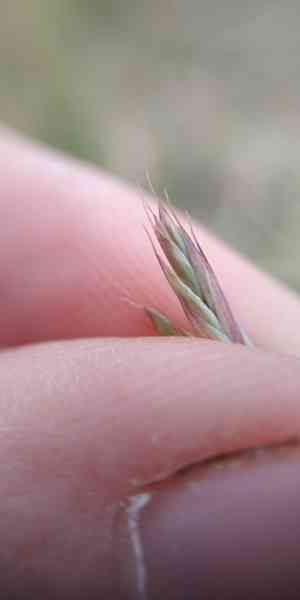
Quickly Identify Red Fescue
1
Fine-textured wiry grass blades, 8-24 inches (20-60 cm) tall.
2
Dense tufted mat with green to reddish hued foliage.
3
Slender leaf blades, 0.1 inches (2-3 mm) wide.
4
Creeping growth habit aided by slender rhizomes.
Scientific Classification of Red Fescue
Phylum
Vascular plants
Class
Monocotyledons
Order
Poales
Family
Grass
Genus
Festuca
Species
Red Fescue
Planting and Growing of Red Fescue
Care Difficulty
Easy
Watering Schedule
Every 2 days
Sunlight Requirements
Full sun
Sunshine Duration
6-10 hours
Ideal Temperature
60-75℉
Soil Type
Potting Mix, Peat Mix
Soil pH
5.5-7
Fertilizer Type
Balanced
Pruning Season
Spring, Summer
Pruning Area
Branches, Leaves
Pruning Frequency
2 times a year
Repotting Season
Spring
Pot Type
Plastic, Ceramic
 How to Water Red Fescue?
Watering Festuca rubra should be generous enough to keep the soil consistently moist but not waterlogged. Aim to moisten the soil evenly, allowing water to reach a depth of about 6 to 8 inches, which is typically achieved with around 500 ml of water.
What are the symptoms of an underwatered Red Fescue?
›
What should I do if my Red Fescue is not getting enough water?
›
What are the symptoms of an overwatered Red Fescue?
›
How to save an overwatered Red Fescue?
›
 What Are the Sunlight Requirements for Red Fescue?
Full sun to partial sun is ideal for Festuca rubra, ensuring it receives enough energy for photosynthesis, leading to vigorous growth and enhanced density.
More About Sunlight Requirements Techniques→
How much sunlight does Festuca rubra need?
›
What happens if Festuca rubra gets too little sunlight?
›
How can you adjust conditions for ideal lighting?
›
 What Is the Ideal Temperature Range for Red Fescue?
The ideal temperature range for Festuca rubra, or red fescue, is typically between 60°F and 75°F. This range allows the grass to maintain optimal growth and development. Temperatures within this interval support the photosynthetic process and keep the plant's metabolism balanced, thereby promoting healthy foliage and root systems.
 What Soil is Best for Red Fescue?
Festuca rubra thrives in well-draining soils as it prevents waterlogging which can lead to root rot. This ensures robust growth and vibrant green blades, perfect for lush, carpet-like lawns. This grass prefers soils with moderate fertility. Excessive nutrients can promote weed growth, while moderate conditions support optimal grass density and resilience against pests and diseases. While it enjoys well-drained conditions, Festuca rubra also benefits from soils that retain some moisture, helping the grass survive dry spells and maintain its alluring green color.
 How to Fertilize Red Fescue?
Festuca rubra, commonly known as red fescue, requires moderate fertilization. It thrives well when given around 1 pound of nitrogen per 1,000 square feet annually. Maintaining this fertilization level ensures healthy growth and vibrant green color without excessive growth spurts.
 How to Prune Red Fescue?
Set your mower blades to the highest setting when cutting Festuca rubra. This helps to maintain about 2-3 inches of grass height, which is ideal for this species, promoting health and vigor. Periodically, use a dethatching rake to remove excess thatch from your Festuca rubra lawn. A layer of thatch thicker than half an inch can block sunlight and moisture, leading to poor grass health. Perform pruning tasks during the cooler parts of the day to reduce stress on the grass. Early morning or late afternoon is best, avoiding the harsh midday sun.
More About Pruning Techniques→
 How to Propagate Red Fescue plant?
1
Collect seeds from mature Festuca rubra plants by allowing the seed heads to dry on the plant. Once dry, gently shake or strip the seeds from the seed head. Ensure that seeds are completely dry before storage to prevent mold.
2
Prepare a well-draining, sandy soil mix for planting. This is crucial as Festuca rubra thrives in such conditions. Ensure the soil is moist but not waterlogged, as excessive water can hinder seed germination and root establishment.
3
Gently dig up the mature Festuca rubra clumps, taking care not to damage the root system. Divide the clump into smaller sections, each with enough roots and shoots. This allows the plant to recover quickly and continue growing vigorously after replanting.
 How to Repot Red Fescue plant?
1
Signs that Festuca rubra requires repotting include roots growing through the drainage holes, stunted growth, and a noticeable decrease in soil quality. The best time to repot is during early spring or late autumn, allowing the plant to settle without the stress of extreme temperatures.
2
Choose a pot with ample drainage holes, slightly larger than the current one. This ensures proper root expansion without risking root rot. Avoid overly large pots, as they can retain excess moisture, leading to waterlogged conditions harmful to this grass.
3
Opt for a well-draining sandy loam soil. This type of soil provides excellent drainage, crucial for preventing root rot and maintaining optimal aeration. Its texture also supports healthy root expansion and nutrient uptake, essential for vibrant growth.



