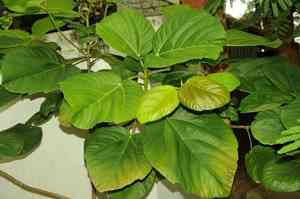
Roxburgh fig (Ficus auriculata)
Also known as: Imperial tree
The roxburgh fig is named for Sir William Roxburgh, one of the founders of Indian botany. The Latin name Ficus auriculata means ear-like and refers to the ear shapes found at the base of the plant's leaf. The tree's fruit can be eaten raw or cooked, and feature in chutneys, juices, and curries.
Attributes of Roxburgh fig
Lifespan
Perennial
Plant Type
Tree
Plant Height
1.8 m to 3 m
Spread
2 m to 4.5 m
Leaf Color
Green Yellow Red Gold
Flower Size
N/A
Flower Color
Pink
Images of Roxburgh fig
Quickly Identify Roxburgh fig
1
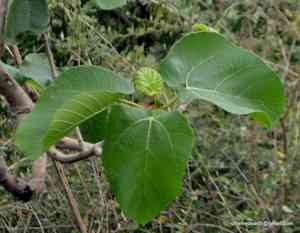
Massive ova-shaped leaves up to 15 inches (38 cm) in diameter.
2
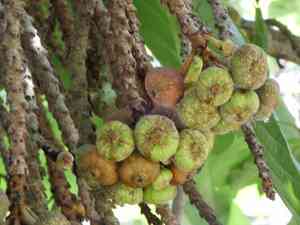
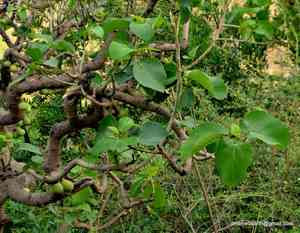
Fruits develop directly on trunk and branches in cauliflory.
3
Distinct male and female flowers enclosed within small figs.
4
Large edible figs measuring 2.4 to 3.1 inches (6 to 8 cm) in diameter.
5
Leaves are broad, ovate, dark green, glossy, with prominent netted veins.
Scientific Classification of Roxburgh fig
Phylum
Vascular plants
Class
Dicotyledons
Order
Rosales
Family
Mulberry
Genus
Fig trees
Species
Roxburgh fig
Toxicity
contacts the eyes, mouth, or skin of a dog, or is ingested
WARNING
The judgment on toxicity and danger is for reference only. We DO NOT GUARANTEE any accuracy of such judgment. Therefore, you SHALL NOT rely on such judgment. It is IMPORTANT TO SEEK PROFESSIONAL ADVICE in advance when necessary.

