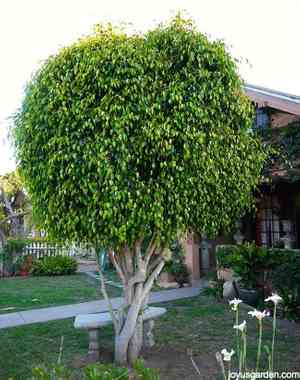
Weeping fig (Ficus benjamina)
Also known as: Benjamin fig, Benjamina ficus
The weeping fig, or Ficus benjamina, is an evergreen tree native to Asia and Australia. Renowned for its shiny, elegant leaves, it is a popular houseplant worldwide. However, due to its potential to release indoor allergens, it is not suitable for individuals with allergies. Additionally, it’s important to note that all parts of the plant, except for the fruits, are toxic.
Attributes of Weeping fig
Images of Weeping fig




Quickly Identify Weeping fig
Scientific Classification of Weeping fig
Planting and Growing of Weeping fig
 How to Water Weeping fig?
 What Are the Sunlight Requirements for Weeping fig?
 What Is the Ideal Temperature Range for Weeping fig?
 What Soil is Best for Weeping fig?
 How to Fertilize Weeping fig?
 How to Prune Weeping fig?
 How to Propagate Weeping fig plant?
 How to Repot Weeping fig plant?
Toxicity of Weeping fig
Is Weeping fig toxic to cat?
The Weeping Fig (Ficus benjamina) poses a moderate toxicity risk to cats, irrespective of the parts of the plant consumed. It is essential to exercise caution, particularly regarding the leaves, which this species commonly sheds. Contact with the plant may lead to dermatitis, while ingestion can result in vomiting and irritation of the mouth. If needed, veterinary assistance should be obtained.
Is Weeping fig toxic to dog?
The Weeping fig (Ficus benjamina) poses a mild to moderate toxicity risk to dogs. Contact with any part of this plant may lead to skin rashes and irritation. If your dog ingests it, they might experience excessive drooling, irritation in the mouth and throat, as well as vomiting. Since the leaves and fruit may attract your dog, exercise caution when around this widely loved plant.



