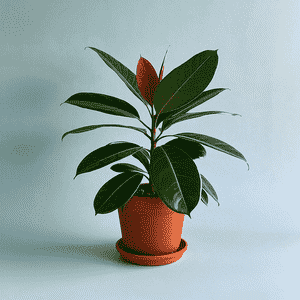
Rubber tree(Ficus elastica)

Rubber tree (Ficus elastica)

Also known as: Rubber fig, Indian rubber plant

The rubber plant (Ficus elastica) is a large tree characterized by its broad, shiny, oval leaves. Before the Pará rubber tree became the primary source, its milky white latex was used to produce rubber, giving it its name. Today, the rubber plant is popular as an ornamental houseplant in cooler regions.

Attributes of Rubber tree

Lifespan
Perennial
Plant Type
Tree
Plant Height
20 m to 40 m
Spread
10 m
Leaf Color
Green Variegated
Flower Size
2.5 cm
Flower Color
Green

PlantJoy - Identify plants with a snap

Identify and diagnose plants, get toxicity alerts, and explore safety guides for all types of fungi.

Try for Free

Images of Rubber tree

Rubber tree(Ficus elastica)

Quickly Identify Rubber tree

1
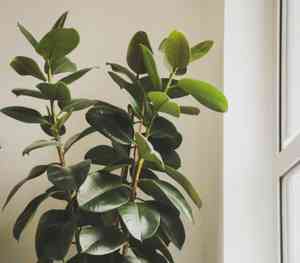
Broad elliptic leaves, up to 17 inches (43 cm) long, with glossy deep green upper surface.
2
Sturdy stem, 1-2 inches (2.5-5 cm) in diameter, maturing to woody brown with faint ridges.
3
Fruit is a small oblong fig, green transitioning to yellow, attached without a stem.
4
Distinctive midrib on leaf undersurface, pale to reddish, adding to plant's unique appeal.
5
Minute unisexual flowers enclosed in fig, accessed through apical orifice, specialized pollination by fig wasps.

Scientific Classification of Rubber tree

Phylum
Vascular plants
Class
Dicotyledons
Order
Roses, elms, figs, and allies
Family
Mulberry
Genus
Fig trees
Species
Rubber tree

Planting and Growing of Rubber tree

Care Difficulty
Easy
Watering Schedule
Every 4 days
Sunlight Requirements
Partial sun
Sunshine Duration
4-8 hours
Ideal Temperature
65-78℉
Soil Type
Potting Mix, Peat Mix
Soil pH
6.5-7.5
Fertilizer Type
Balanced
Pruning Season
Spring, Summer
Pruning Area
Branches, Leaves
Pruning Frequency
2 times a year
Repotting Season
Spring
Pot Type
Plastic, Terracotta

water icon How to Water Rubber tree?

Ficus elastica, also known as the rubber plant, prefers a moderate approach to watering. Water it thoroughly, allowing the surplus to seep through the drainage holes. Make sure the top inch of the soil is dry between watering sessions to prevent root rot.
What are the symptoms of an underwatered Rubber tree?
What should I do if my Rubber tree is not getting enough water?
What are the symptoms of an overwatered Rubber tree?
How to save an overwatered Rubber tree?
More About Watering Techniques Group

sunlight icon What Are the Sunlight Requirements for Rubber tree?

Sunlight Requirements: Partial sun, Full shade
Duration of light: 4-6 hours
Ficus elastica prefers partial sun to full shade environments. Bright, indirect light ensures its leaves remain lush and free from burns. Proper lighting enhances growth and maintains the plant's aesthetic quality.
What type of sunlight does Ficus elastica prefer?
How can you maintain optimal lighting for this plant?
What benefits will the ideal lighting bring to Ficus elastica?
More About Sunlight Requirements Techniques Group

temperature icon What Is the Ideal Temperature Range for Rubber tree?

Ideal Temperature: 65 ~ 78℉
The ideal temperature range for Ficus elastica, also known as the rubber plant, is between 65°F to 78°F. This range allows for optimal growth and health, supporting its vibrant foliage and overall vitality. Maintaining this range temperature helps prevent stress and potential damage to the plant.

soil icon What Soil is Best for Rubber tree?

Soil type: Loam, Sandy loam
Soil PH: 6.5 ~ 7.5
Ficus elastica thrives in well-draining soil, which prevents water from accumulating around the roots. This is crucial as it helps to avoid root rot, a common issue if the soil retains excessive moisture. Nutrient-rich soil provides the essential elements for Ficus elastica's growth. A fertile soil will promote healthy leaf development and robust root systems, supporting overall plant vigor. An aerated soil structure is vital for Ficus elastica. It allows air to circulate freely around the roots, which is necessary for respiration and nutrient uptake, thus enhancing the plant's growth. More About Soil Group

fertilize icon How to Fertilize Rubber tree?

Fertilizer type: Balanced
For Ficus elastica, the fertilizer amount should be moderate. Use a balanced liquid fertilizer diluted to half strength every two to four weeks during the growing season. For slow-release fertilizers, apply a small amount of pellets in the spring, enough to lightly cover the soil surface. It's crucial not to overdo it to avoid harming the plant. More About Fertilizing Techniques Group

prune icon How to Prune Rubber tree?

Pruning Time: Spring, Summer
Decide whether you want to encourage bushier growth or maintain the size and shape of your Ficus elastica. Pruning can also be aimed at removing dead or diseased leaves to maintain overall plant health. Ensure your pruning shears are sharp and clean to make precise cuts and prevent the spread of disease. This also ensures smoother cuts, reducing stress on the plant. Begin by removing any dead or damaged leaves, cutting just above a node to encourage new growth. For reshaping, trim stems to your desired height, but avoid cutting more than a third of the plant at once to prevent excessive stress. For larger cuts, consider using a plant wound sealer to protect the cut and prevent fungal infections. This step is crucial for maintaining the plant’s health after pruning.

propagate icon How to Propagate Rubber tree plant?

Propagate Time: Early spring, Late spring, Early summer
1
Choose a healthy stem from the mother plant, approximately 6-8 inches long with several leaves. Ensure the stem is free from any disease or pest damage.
2
Use pruning shears to make a clean cut below a leaf node. Remove the leaves from the lower part of the cutting, leaving a few at the top to aid in photosynthesis during rooting.
3
Dip the cut end of the stem into rooting hormone to encourage root development. Tap off any excess and plant the cutting into a prepared potting mix.

repot icon How to Repot Rubber tree plant?

Repotting frequency: Every 2-3 years
1
Ficus elastica should be repotted when roots start to come out of the drainage holes or the plant looks top-heavy and unstable. These signs indicate that the pot is becoming too small, inhibiting growth. Early spring is the ideal time to act since the plant is starting its new growth cycle and can adapt better to the change.
2
Select a pot that is 1-2 inches larger in diameter than the current one. Ensure it has drainage holes to prevent waterlogging, which could cause root rot. Using a slightly larger pot will give the roots space to expand without overwhelming the plant with too much soil.
3
Ficus elastica prefers a well-draining potting mix. A combination of peat, pine bark, and perlite is ideal. This mix ensures that excess water drains away, preventing root rot while holding enough moisture for the plant's needs during its adaptation period.
More About Repotting Techniques Group

PlantJoy - Identify plants with a snap

Find the best spots for them to optimize their health, simply using your phone.

Try for Free

Toxicity of Rubber tree

Is Rubber tree toxic to cat?

The rubber tree presents a toxicity hazard for cats when consumed. If cats chew or bite the rubber tree, they may come into contact with the plant's toxic sap or juice. Such exposure typically happens when inquisitive pets accidentally ingest plant material. Following the ingestion of rubber tree parts, affected cats may exhibit signs of physical distress or illness, highlighting the importance of closely supervising their interactions with the plant. It is crucial for cat owners to remain alert, and at the first indication of poisoning, promptly seek veterinary assistance to safeguard their pet's health.

Is Rubber tree toxic to dog?

The rubber tree is regarded as toxic to dogs. When dogs ingest or chew on parts of the rubber tree, especially the sap or juice, they may experience poisoning. This often happens when a dog accidentally consumes the plant. Signs of toxicity in dogs can include vomiting, diarrhea, excessive drooling, decreased appetite, and lethargy. If you believe your dog has ingested rubber tree material, it is crucial to seek veterinary care immediately to secure the best possible recovery for your pet.

Identify toxic plants for your safety

Learn which plants are harmful to you and your pets, and make informed choices for a safer home!

Try for Free
WARNING
The judgment on toxicity and danger is for reference only. We DO NOT GUARANTEE any accuracy of such judgment. Therefore, you SHALL NOT rely on such judgment. It is IMPORTANT TO SEEK PROFESSIONAL ADVICE in advance when necessary.
More About Toxic Techniques Group