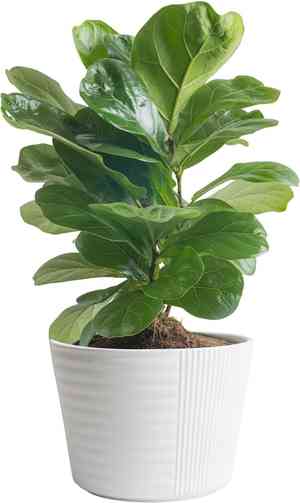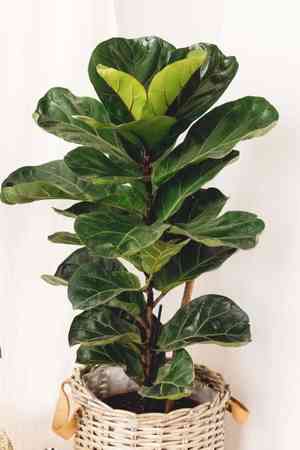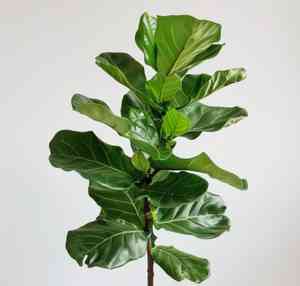
Fiddle-leaf fig(Ficus lyrata)

Fiddle-leaf fig (Ficus lyrata)

Also known as: Fiddle-leaf

The Fiddle Leaf Fig (Ficus lyrata) is a popular houseplant recognized for its large, violin-shaped leaves. It adds a striking, decorative touch to any space but is notoriously difficult to maintain and requires specific care to thrive.

Attributes of Fiddle-leaf fig

Lifespan
Perennial
Plant Type
Tree
Plant Height
2 m to 15 m
Spread
50 cm
Leaf Color
Green
Flower Size
N/A (flowers are not commonly seen)
Flower Color
Green

PlantJoy - Identify plants with a snap

Identify and diagnose plants, get toxicity alerts, and explore safety guides for all types of fungi.

Try for Free

Images of Fiddle-leaf fig

Fiddle-leaf fig(Ficus lyrata)

Quickly Identify Fiddle-leaf fig

1
Large, lyre-shaped leaves, up to 18 inches (45.7 cm) long, with crinkled matte surface and prominent veining.
2
Sturdy, unbranched stem measuring 2-3 cm (0.8-1.2 inches) in diameter, producing milky latex when damaged.
3
Spherical fig fruit, 0.5-1.25 inches (1.27-3.18 cm) in diameter, with white flecks transitioning from green to red.
4
Glossy dark green obovate leaves, wavy-edged, pale green beneath, with distinct yellowish veins on top.
5
Trunk evolves from flaky brown bark in youth to smooth gray bark in maturity, with tactile textured surface.

Scientific Classification of Fiddle-leaf fig

Phylum
Vascular plants
Class
Dicotyledons
Order
Rosales
Family
Mulberry
Genus
Fig trees
Species
Fiddle-leaf fig

Planting and Growing of Fiddle-leaf fig

Care Difficulty
Hard
Watering Schedule
Every 2 days
Sunlight Requirements
Partial sun
Sunshine Duration
4-8 hours
Ideal Temperature
60-75℉
Soil Type
Potting Mix, Peat Mix
Soil pH
6-7
Fertilizer Type
Balanced
Pruning Season
Spring, Summer
Pruning Area
Branches, Leaves
Pruning Frequency
2 times a year
Repotting Season
Spring
Pot Type
Plastic, Ceramic

water icon How to Water Fiddle-leaf fig?

Ficus lyrata enjoys a good soak, so ensure the water flushes through the soil completely. The idea is to saturate the roots evenly without leaving the plant standing in water. This typically means watering until you see excess water draining from the pot.
What are the symptoms of an underwatered Fiddle-leaf fig?
What should I do if my Fiddle-leaf fig is not getting enough water?
What are the symptoms of an overwatered Fiddle-leaf fig?
How to save an overwatered Fiddle-leaf fig?
More About Watering Techniques

sunlight icon What Are the Sunlight Requirements for Fiddle-leaf fig?

Sunlight Requirements: Partial sun
Duration of light: 4 to 6 hours
Partial sun exposure suits Ficus lyrata best, providing 4 to 6 hours of light each day. This range fosters robust growth, enhances photosynthetic activity, and maintains vibrant foliage, crucial for plant health and aesthetics.
How much sunlight does Ficus lyrata need?
How can I provide the best lighting for my Fiddle Leaf Fig?
What benefits does ideal lighting provide to Ficus lyrata?
More About Sunlight Requirements Techniques

temperature icon What Is the Ideal Temperature Range for Fiddle-leaf fig?

Ideal Temperature: 60 ~ 75℉
The ideal temperature range for Ficus lyrata is between 60°F and 75°F. This range mimics the warm, stable climate of its native tropical regions. These temperatures ensure optimum growth and the maintenance of healthy foliage.

soil icon What Soil is Best for Fiddle-leaf fig?

Soil type: Loam, Sandy loam
Soil PH: 6 ~ 7
Ficus lyrata thrives in soil that is rich in nutrients, which supports its lush foliage growth. A nutrient-rich mix ensures the plant has all the essential elements it needs to flourish and maintain its vibrant green leaves. It requires soil with excellent drainage to prevent waterlogging. Well-drained soil helps avoid root rot, a common issue for Ficus lyrata, ensuring the roots receive adequate oxygen. The soil should retain enough moisture without becoming soggy. Proper moisture levels help in maintaining the plant's turgidity and prevents the leaves from wilting, contributing to overall plant health. More About Soil

fertilize icon How to Fertilize Fiddle-leaf fig?

Fertilizer type: Balanced
For Ficus lyrata, it's important to use a balanced fertilizer, such as a 20-20-20 NPK formulation. Dilute the liquid fertilizer to half strength and use about 1-2 tablespoons per gallon of water, ensuring it's evenly distributed during application. When using slow-release fertilizers, opt for granules and follow the manufacturer's instructions without exceeding the recommended amount. More About Fertilizing Techniques

prune icon How to Prune Fiddle-leaf fig?

Pruning Time: Spring, Summer
Always use clean, sharp pruning shears to prevent damage to the plant and reduce the risk of disease transmission. Clean tools with alcohol before use. While pruning, ensure you don't remove more than 20% of the plant's foliage at once. Over-pruning can stress the plant, making it susceptible to pest infestations and slowed growth. When cutting Ficus lyrata, be aware of the milky latex sap it exudes, which can cause irritation. Wear gloves to protect your skin and avoid contact with eyes. More About Pruning Techniques

propagate icon How to Propagate Fiddle-leaf fig plant?

Propagate Time: Spring, Early summer
1
Choose a healthy, mature stem that is 6-12 inches long. Ensure it has several leaves, but trim the leaves at the base to expose nodes where roots can form.
2
Dip the cut end of the stem in rooting hormone and shake off any excess. This step helps to stimulate root growth and prevent disease.
3
Plant the prepared cutting into a pot filled with a well-draining potting mix. Make a hole in the mix first to avoid wiping off the rooting hormone when planting.
More About Propagating Techniques

repot icon How to Repot Fiddle-leaf fig plant?

Repotting frequency: every 1-2 years
1
Ficus lyrata should be repotted when you notice roots protruding from the drainage holes or when the plant appears to have outgrown its current pot. These are clear signals that your plant needs more room to grow. Repotting is best done during the growing seasons of spring and summer to ensure the plant has the energy to recover.
2
Select a pot that is 2-3 inches larger in diameter than the current one. Ensure it has adequate drainage holes to prevent waterlogging, which can lead to root rot. A slightly bigger pot gives the roots space to expand without overwhelming the plant, striking a balance between stability and growth encouragement.
3
Opt for a well-draining potting mix rich in organic matter. This type of soil allows for proper water retention without becoming soggy, facilitating healthy root development. A mix containing peat, pine bark, and some perlite or vermiculite works well, providing the nutrients and structure Ficus lyrata needs.
More About Repotting Techniques

PlantJoy - Identify plants with a snap

Find the best spots for them to optimize their health, simply using your phone.

Try for Free

Toxicity of Fiddle-leaf fig

Is Fiddle-leaf fig toxic to cat?

The fiddle-leaf fig presents a potential toxicity hazard for felines when consumed inadvertently. Cats risk poisoning by ingesting the sap or juice contained in every part of the fiddle-leaf fig plant. Upon consumption, affected cats may show signs of physical distress, which warrants serious attention. Should poisoning occur, it is vital to obtain urgent veterinary assistance to guarantee the swift and suitable treatment of the affected cat.

Is Fiddle-leaf fig toxic to dog?

The fiddle-leaf fig is recognized as toxic to dogs. If dogs ingest any parts of this plant, they might come into contact with its sap or juice, which contains the harmful compounds. Accidental consumption of fiddle-leaf fig by dogs can result in possible poisoning. The symptoms that may occur following ingestion include vomiting, diarrhea, oral irritation, and excessive drooling. It is vital for dog owners to remain alert and prevent their pets from reaching fiddle-leaf fig. Should a dog consume any part of this plant, it is imperative to obtain prompt veterinary attention to ensure the best possible outcome for the animal.

Identify toxic plants for your safety

Learn which plants are harmful to you and your pets, and make informed choices for a safer home!

Try for Free
WARNING
The judgment on toxicity and danger is for reference only. We DO NOT GUARANTEE any accuracy of such judgment. Therefore, you SHALL NOT rely on such judgment. It is IMPORTANT TO SEEK PROFESSIONAL ADVICE in advance when necessary.
More About Toxic Techniques