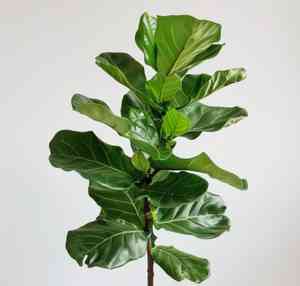
Fiddle-leaf fig (Ficus lyrata)
Also known as: Fiddle-leaf
The Fiddle Leaf Fig (Ficus lyrata) is a popular houseplant recognized for its large, violin-shaped leaves. It adds a striking, decorative touch to any space but is notoriously difficult to maintain and requires specific care to thrive.
Attributes of Fiddle-leaf fig
Images of Fiddle-leaf fig
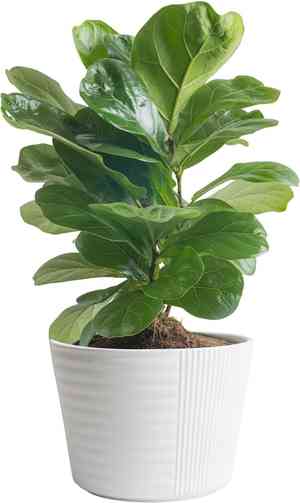
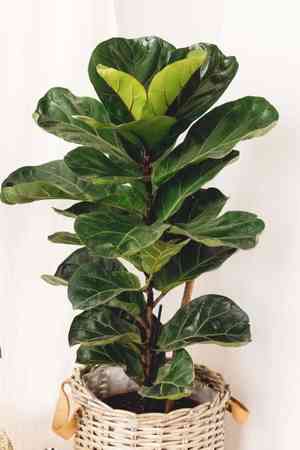
Quickly Identify Fiddle-leaf fig
Scientific Classification of Fiddle-leaf fig
Planting and Growing of Fiddle-leaf fig
 How to Water Fiddle-leaf fig?
 What Are the Sunlight Requirements for Fiddle-leaf fig?
 What Is the Ideal Temperature Range for Fiddle-leaf fig?
 What Soil is Best for Fiddle-leaf fig?
 How to Fertilize Fiddle-leaf fig?
 How to Prune Fiddle-leaf fig?
 How to Propagate Fiddle-leaf fig plant?
 How to Repot Fiddle-leaf fig plant?
Toxicity of Fiddle-leaf fig
Is Fiddle-leaf fig toxic to cat?
The fiddle-leaf fig presents a potential toxicity hazard for felines when consumed inadvertently. Cats risk poisoning by ingesting the sap or juice contained in every part of the fiddle-leaf fig plant. Upon consumption, affected cats may show signs of physical distress, which warrants serious attention. Should poisoning occur, it is vital to obtain urgent veterinary assistance to guarantee the swift and suitable treatment of the affected cat.
Is Fiddle-leaf fig toxic to dog?
The fiddle-leaf fig is recognized as toxic to dogs. If dogs ingest any parts of this plant, they might come into contact with its sap or juice, which contains the harmful compounds. Accidental consumption of fiddle-leaf fig by dogs can result in possible poisoning. The symptoms that may occur following ingestion include vomiting, diarrhea, oral irritation, and excessive drooling. It is vital for dog owners to remain alert and prevent their pets from reaching fiddle-leaf fig. Should a dog consume any part of this plant, it is imperative to obtain prompt veterinary attention to ensure the best possible outcome for the animal.



