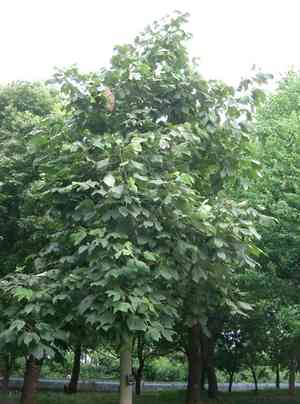
Chinese parasol tree (Firmiana simplex)
Also known as: Varnish tree, Japanese varnish tree, Wutong
The princess tree, scientifically known as Paulownia tomentosa, is an ornamental plant originating from Asia. In the warmer regions of North America, it proliferates rapidly and is deemed invasive. This tree is renowned for its excellent sonic qualities, making it a preferred material for the soundboards of various Eastern musical instruments.
In This Article
Attributes of Chinese parasol tree
Lifespan
Perennial
Plant Type
Tree
Plant Height
16 m
Spread
4.5 m to 6 m
Leaf Color
Green Yellow Gold
Flower Size
2.5 cm
Flower Color
Yellow Green White
Images of Chinese parasol tree
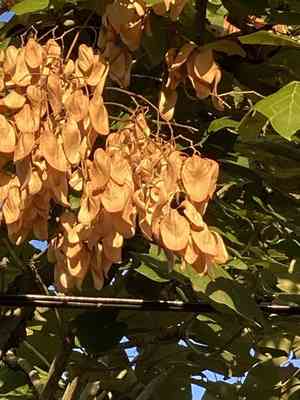
Quickly Identify Chinese parasol tree
1
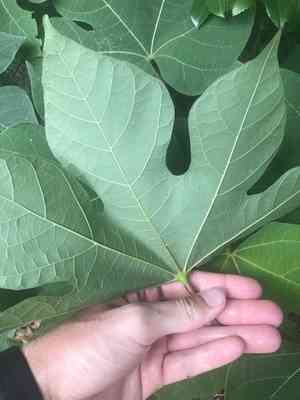
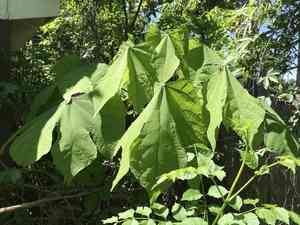
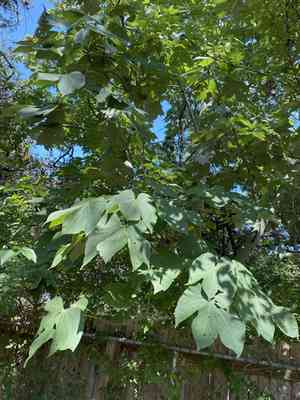
Large, palmate leaves with 3-5 lobes, reaching 12 inches (30 cm) wide.
2
Distinctive green bark and stems, with a tree height ranging from 25 to 45 feet (7.6 to 13.7 meters).
3
Star-shaped flowers with white to yellow-green sepals in terminal panicles up to 12 inches (30 cm) long.
4
Pod-like fruit, 3-4 inches (7.6-10.2 cm) long, with brown seeds and varnish-like liquid in pods.
5
Stout green stem with circular leaf scars and hairy, reddish-brown bud scales, growing up to 1 inch (2.5 cm) in diameter.
Scientific Classification of Chinese parasol tree
Phylum
Vascular plants
Class
Dicotyledons
Order
Mallows, rock-roses, and allies
Family
Mallow
Genus
Parasol tree
Species
Chinese parasol tree
Planting and Growing of Chinese parasol tree
Care Difficulty
Easy
Watering Schedule
Every 2 days
Sunlight Requirements
Full sun
Sunshine Duration
4-8 hours
Ideal Temperature
68-86℉
Soil Type
Potting Mix, Peat Mix
Soil pH
6.5-7.5
Fertilizer Type
Balanced
Pruning Season
Spring, Summer
Pruning Area
Branches, Leaves
Pruning Frequency
2 times a year
Repotting Season
Spring
Pot Type
Plastic, Ceramic
 How to Water Chinese parasol tree?
When watering Firmiana simplex, ensure each session provides around 1000 milliliters of water. The key is to water deeply, allowing the soil to absorb sufficient moisture without waterlogging. This approximates natural rainfall conditions and supports robust root development.
What are the symptoms of an underwatered Chinese parasol tree?
›
What should I do if my Chinese parasol tree is not getting enough water?
›
What are the symptoms of an overwatered Chinese parasol tree?
›
How to save an overwatered Chinese parasol tree?
›
 What Are the Sunlight Requirements for Chinese parasol tree?
Partial to full sun exposure is best. Adequate light enhances photosynthesis, supporting vigorous growth, healthy leaves, and flowering potential.
More About Sunlight Requirements Techniques→
What is the ideal light condition for Firmiana simplex?
›
How to achieve the ideal lighting for Firmiana simplex?
›
What benefits does Firmiana simplex gain from ideal light conditions?
›
 What Is the Ideal Temperature Range for Chinese parasol tree?
For optimal growth, Firmiana simplex thrives within an ideal temperature range of 68°F to 86°F. This range provides the necessary warmth for photosynthesis and healthy physiological functioning without inducing heat stress or chilling injury. Within this range, the plant can efficiently carry out metabolic processes that are essential for robust growth.
 What Soil is Best for Chinese parasol tree?
Firmiana simplex thrives in soil that is rich in essential nutrients. Such soil supports healthy growth by providing the necessary minerals for robust foliage and overall plant vigor. A nutrient-rich environment ensures that the plant can perform optimal photosynthesis. This plant prefers soil with excellent drainage to prevent root rot. Well-drained soil ensures excess water moves away from the roots, safeguarding the plant from diseases associated with waterlogged conditions, promoting healthy root development and function. Firmiana simplex benefits from soil that is well-aerated, allowing roots to access oxygen more easily. Proper aeration prevents soil compaction, which can obstruct root growth, ensuring the plant remains strong and healthy by facilitating proper nutrient uptake.
 How to Fertilize Chinese parasol tree?
For Firmiana simplex, using a balanced 10-10-10 liquid fertilizer, dilute it to half strength. Apply 500 ml per plant during active growth. Too much could harm its growth, so monitor the plant's response.
 How to Prune Chinese parasol tree?
Firmiana simplex trees benefit from careful canopy shaping to improve air circulation and sunlight penetration. Start by assessing the natural shape of the tree, deciding where to thin dense areas for a more airy appearance. Prioritize branches that crowd or cross each other; carefully prune them back to encourage a balanced structure. A well-shaped canopy not only looks visually appealing but also promotes healthier growth all season long. If space is limited, or if you wish to maintain a specific size for your Firmiana simplex, focus your pruning efforts on reducing its height. Aim to cut back elongated branches by a third, making your cuts just above a node to encourage new growth. This technique helps manage the tree’s size while preserving its structural integrity and ornamental appeal. By keeping its height in check, the tree remains manageable and less prone to wind damage.
More About Pruning Techniques→
 How to Propagate Chinese parasol tree plant?
1
Collect mature seeds from the Firmiana simplex tree and allow them to dry for several days. This drying period is crucial as it enhances germination rates by breaking seed dormancy naturally.
2
Seeds should be sown on the surface of the potting mix, lightly covered with a thin layer of the mix. Water the seeds gently to avoid dislodging them and maintain moisture without oversaturating the soil.
3
Place the seed trays in a warm, shaded area, maintaining a temperature around 20°C. Germination typically occurs within 2-3 weeks. Once seedlings have developed true leaves, transplant them into individual pots for further growth.
 How to Repot Chinese parasol tree plant?
1
Look out for slowing growth, roots poking through the drainage holes, or soil that dries too quickly. These are signals indicating it's time for repotting Firmiana simplex. The best time to do this is during the warmer months, in spring or summer, ensuring the tree has ample time to adjust before colder seasons.
2
Choose a pot that is 2-4 inches larger in diameter than the current one. Ensure it has good drainage holes to prevent root rot. A bigger pot provides ample space for root expansion, promoting the tree's healthy growth and allowing better moisture management.
3
Opt for well-drained, sandy soil mixed with organic material. This allows good air circulation and moisture retention without getting waterlogged. Such soil provides essential nutrients while preventing water stagnation, which is crucial for the plant’s healthy root development.



