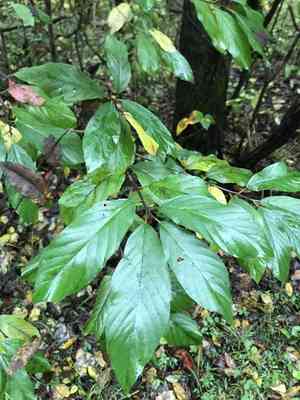
Carolina buckthorn (Frangula caroliniana)
Also known as: American buckthorn, Yellowwood
The Carolina buckthorn, known scientifically as *Frangula caroliniana*, derives its common name from its prevalence in the Carolinas, particularly South Carolina where it was first identified. The Latin name also reflects this regional association. Despite its name, the tree lacks thorns entirely.
Key characteristics include:
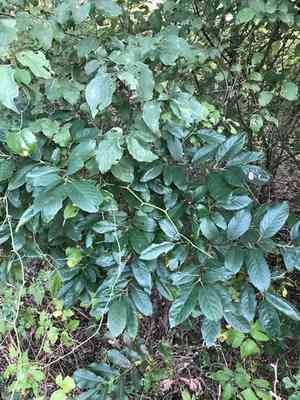
1. **Size and Form**: It is a small deciduous tree or large shrub, typically reaching 12-15 feet in height.
2. **Leaves**: The leaves are glossy, dark green, and oval-shaped, with smooth margins, turning yellow in autumn.
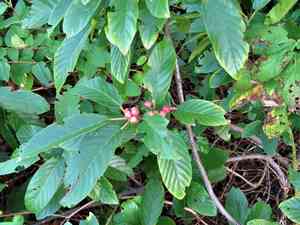
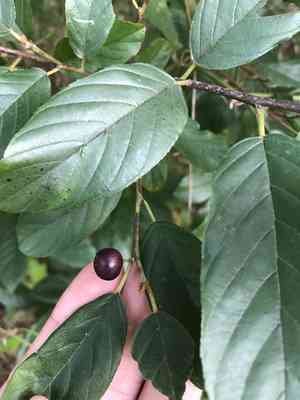
3. **Flowers and Fruits**: It produces small, greenish-yellow flowers in late spring to early summer, followed by red berries that darken to black as they ripen.
4. **Wildlife Interaction**: The berries, while potentially toxic to humans if ingested, are a food source for songbirds. Additionally, deer often browse on its bark.
The Carolina buckthorn thrives in well-drained soils and is commonly found in woodlands, forest edges, and near streams, making it a valuable ornamental and ecological species.
Attributes of Carolina buckthorn
Images of Carolina buckthorn
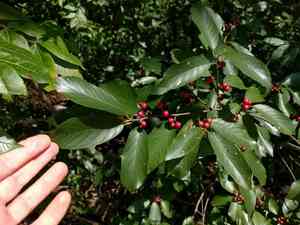
Quickly Identify Carolina buckthorn
Scientific Classification of Carolina buckthorn
Planting and Growing of Carolina buckthorn
 How to Water Carolina buckthorn?
 What Are the Sunlight Requirements for Carolina buckthorn?
 What Is the Ideal Temperature Range for Carolina buckthorn?
 What Soil is Best for Carolina buckthorn?
 How to Fertilize Carolina buckthorn?
 How to Prune Carolina buckthorn?
 How to Propagate Carolina buckthorn plant?
 How to Repot Carolina buckthorn plant?
Toxicity of Carolina buckthorn
Is Carolina buckthorn toxic to humans?
The Carolina buckthorn features decorative berries that should be eschewed by adults and kept away from children's reach. These berries harbor toxic glycosides which can provoke gastrointestinal distress, including symptoms such as stomach upset, nausea, excessive drooling, vomiting, flatulence, cramps, and diarrhea. Young children or individuals who consume them in large quantities may experience more severe symptoms. Typically, these symptoms will subside within a few days.



