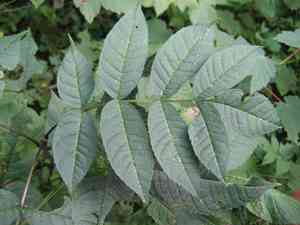
Black ash (Fraxinus nigra)
Also known as: Black Ash
The black ash tree (Fraxinus nigra) is a deciduous species that typically reaches a height of 12 to 15 meters. It features dark gray or brown bark and has upward-reaching limbs that create a modest canopy. Black ash flourishes in cold climates and prefers environments with full sun to partial shade. It is well-suited to wet, swampy areas and poorly drained soils. However, it faces significant risk from the emerald ash borer, an invasive insect that has severely impacted its populations.
In This Article
Attributes of Black ash
Lifespan
Perennial
Plant Type
Tree
Plant Height
15 m to 20 m
Spread
11 m to 15 m
Leaf Color
Green
Flower Size
2.5 cm to 5 cm
Flower Color
Cream
Images of Black ash
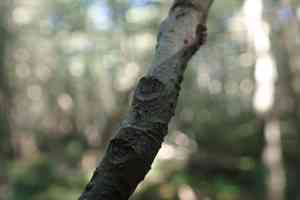
Quickly Identify Black ash
1
Odd pinnately compound leaves with 7-11 oblong leaflets, serrated margins, and a lighter undersurface.
2
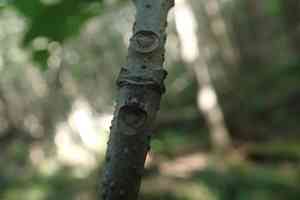
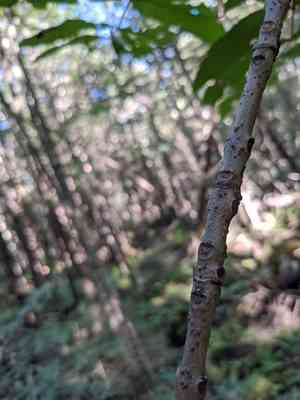
Distinctive dark stem buds and inner bark against light brown to gray twigs.
3
Inconspicuous pale yellow-green flowers lacking petals, about 0.2 inches (5 mm) in diameter.
4
Fruit is a greenish to brownish samara with a single elongated wing, 1-2 inches (2.5-5 cm) long.
5
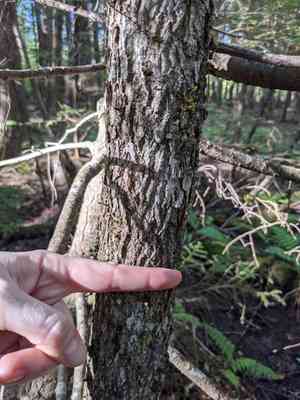
Robust trunk with dark inner bark, deep blocky furrows, and several inches thick protective bark.
Scientific Classification of Black ash
Phylum
Vascular plants
Class
Dicotyledons
Order
Lamiales
Family
Olive
Genus
Ashes
Species
Black ash
Planting and Growing of Black ash
Care Difficulty
Easy
Watering Schedule
Every 2 days
Sunlight Requirements
Full sun
Sunshine Duration
6-10 hours
Ideal Temperature
60-75℉
Soil Type
Potting Mix, Peat Mix
Soil pH
6.5-7.5
Fertilizer Type
Balanced
Pruning Season
Spring, Summer
Pruning Area
Branches, Leaves
Pruning Frequency
2 times a year
Repotting Season
Spring
Pot Type
Plastic, Ceramic
 How to Water Black ash?
Fraxinus nigra, commonly known as black ash, requires thoughtful watering. The general rule is to give enough water to keep the soil consistently moist but not waterlogged. Aim to provide about 500 ml per session, ensuring the root zone is sufficiently moist without leaving standing water.
What are the symptoms of an underwatered Black ash?
›
What should I do if my Black ash is not getting enough water?
›
What are the symptoms of an overwatered Black ash?
›
How to save an overwatered Black ash?
›
 What Are the Sunlight Requirements for Black ash?
Fraxinus nigra thrives in environments offering full sun to partial sun with 6-8 hours of light. These conditions boost growth and ensure robust health by optimizing photosynthesis and nutrient uptake.
More About Sunlight Requirements Techniques→
What are the ideal lighting conditions for Fraxinus nigra?
›
How can I ensure Fraxinus nigra gets ideal light exposure?
›
What benefits does ideal lighting offer Fraxinus nigra?
›
 What Is the Ideal Temperature Range for Black ash?
The black ash tree (Fraxinus nigra) thrives best in moderate temperatures. For optimal growth, maintaining a consistent temperature range between 60°F and 75°F is ideal. This range supports healthy growth and maximizes photosynthesis and nutrient absorption, contributing greatly to the tree's vigor and resistance to pests and diseases.
 What Soil is Best for Black ash?
Fraxinus nigra thrives in soil that retains moisture well. This characteristic helps ensure the roots are consistently supplied with water, promoting health and vigorous growth in the plant. Rich, fertile soil is ideal for Black Ash, providing essential nutrients for its development. Nutrient-rich conditions support robust leaf and branch formation, resulting in a lush appearance. While moisture is vital, Fraxinus nigra also needs well-draining soil to prevent root rot and other water-related issues. Good drainage allows excess water to escape, maintaining root health.
 How to Fertilize Black ash?
For Fraxinus nigra, the fertilizer amount should be quite balanced. Use 1 pound of 10-10-10 NPK fertilizer per inch of trunk diameter annually. It's crucial to spread it evenly across the root zone while ensuring it doesn't touch the trunk directly, as this could cause damage.
 How to Prune Black ash?
Begin by identifying any branches that are dead, diseased, or damaged. These can typically be recognized by a lack of leaves, discolored wood, or fungus growth. Remove these branches by cutting back to where healthy wood is visible. Once the dead wood is removed, assess the overall shape of the tree. Trim branches to maintain a balanced and aesthetically pleasing shape. Aim for an open center to promote air circulation which helps prevent fungal infections. When cutting, always make the cut just outside the branch collar and at a slight angle to encourage healing. Avoid leaving stubs as they can become entry points for disease. After pruning, monitor the tree for signs of stress or disease. Keep the tree well-watered but ensure good drainage. Consider applying a light fertilizer to support new growth.
More About Pruning Techniques→
 How to Propagate Black ash plant?
1
Collect seeds from mature Fraxinus nigra trees in autumn when the seeds are fully developed. Ensure that they are free from diseases or signs of premature sprouting to ensure high viability for propagation.
2
Stratification involves subjecting seeds to cold temperatures to simulate winter, which aids in breaking dormancy. This can typically be done by refrigerating seeds for two to three months before sowing in spring.
3
Select healthy branches from the parent tree during the early spring. Use disinfected pruning shears to cut the branches at a 45-degree angle. The cuttings should be approximately 15-20 cm long, with at least two sets of leaves.
 How to Repot Black ash plant?
1
Repot Fraxinus nigra when you observe roots growing out of drainage holes, or the soil dries too quickly after watering. These signs indicate the plant has outgrown its current pot and needs more space. Spring or Summer is the best time for repotting to give the plant time to establish its roots during the growing season.
2
Choose a pot that is 2-3 inches larger in diameter than the current one, with ample drainage holes. A slightly larger pot ensures roots have room to grow, preventing root-bound stress and promoting healthy growth. Opt for materials like terracotta or ceramic that regulate moisture efficiently, avoiding root rot.
3
Use a well-draining loamy soil mix enriched with organic matter like compost. This type of soil retains the right amount of moisture while providing essential nutrients, helping to replicate Fraxinus nigra's natural habitat. Good soil prevents waterlogging and supports root health, essential for robust growth.



