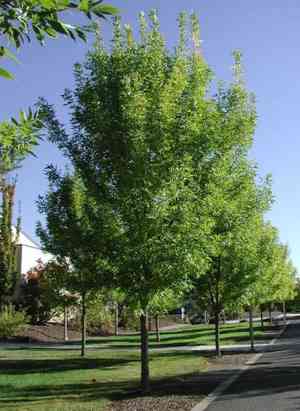
Green ash (Fraxinus pennsylvanica)
Also known as: Downy ash, Water ash
For a superb shade tree, consider the Honey Locust (Gleditsia triacanthos). It features a dense canopy of compound leaves that create excellent shade and turn a stunning yellow in the fall. With a rapid growth rate exceeding 61 cm per year, this tree will quickly provide ample shade for your yard.
In This Article
Attributes of Green ash
Lifespan
Perennial
Plant Type
Tree
Plant Height
10 m to 20 m
Spread
11 m to 15 m
Leaf Color
Green
Flower Size
5 cm to 20 cm
Flower Color
Yellow Green Purple White Red Lavender Burgundy Gold
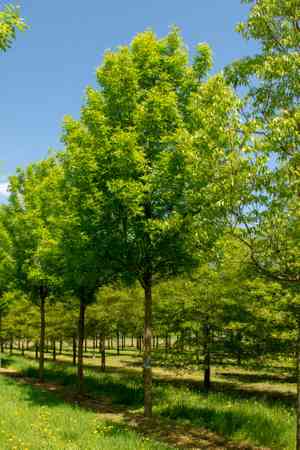
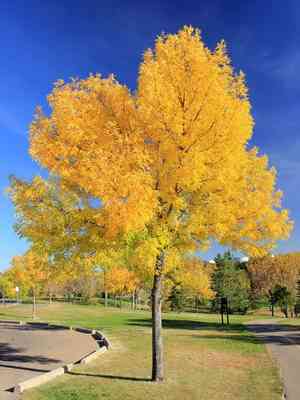
Images of Green ash
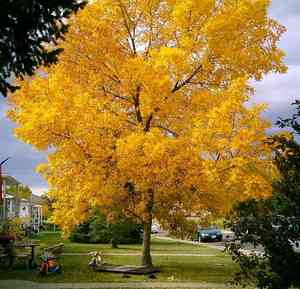
Quickly Identify Green ash
1
Thick, grayish-brown bark with diamond-shaped ridges.
2
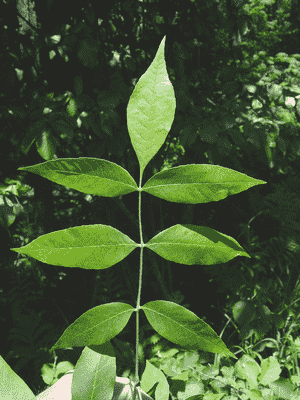
Pinnately compound leaves with 7-9 ovate leaflets, serrated edges.
3
Inconspicuous, petal-less flowers in early spring.
4
Clusters of narrow, single-winged samaras hanging in late summer.
5
Stout stem with semicircular leaf scars and lateral buds on top.
Scientific Classification of Green ash
Phylum
Vascular plants
Class
Dicotyledons
Order
Lamiales
Family
Olive
Genus
Ashes
Species
Green ash
Planting and Growing of Green ash
Care Difficulty
Easy
Watering Schedule
Every 2 days
Sunlight Requirements
Full sun
Sunshine Duration
6-10 hours
Ideal Temperature
60-75℉
Soil Type
Potting Mix, Peat Mix
Soil pH
6.5-7.5
Fertilizer Type
Balanced
Pruning Season
Spring, Summer
Pruning Area
Branches, Leaves
Pruning Frequency
2 times a year
Repotting Season
Spring
Pot Type
Plastic, Ceramic
 How to Water Green ash?
Fraxinus pennsylvanica typically requires around 2000 milliliters of water per session, ensuring that the water permeates deep into the soil. The goal is to provide enough moisture to reach the root system without water logging the area. Ensure the water drains effectively to avoid root rot.
More About Watering Techniques→
What are the symptoms of an underwatered Green ash?
›
What should I do if my Green ash is not getting enough water?
›
What are the symptoms of an overwatered Green ash?
›
How to save an overwatered Green ash?
›
 What Are the Sunlight Requirements for Green ash?
Fraxinus pennsylvanica thrives with 6-8 hours of light. Ideal conditions promote vigorous growth, deep green leaves, and improved overall health. Ample light improves photosynthetic efficiency, leading to robust and resilient trees.
More About Sunlight Requirements Techniques→
What type of sunlight does it need?
›
How do you achieve ideal sunlight?
›
What benefits come from ideal sunlight?
›
 What Is the Ideal Temperature Range for Green ash?
The ideal temperature range for Fraxinus pennsylvanica ensures optimal growth and health. It is typically between 60°F and 75°F, which provides a comfortable environment for metabolic processes. This range is crucial to maintain leaf color and promote robust root development.
 What Soil is Best for Green ash?
Fraxinus pennsylvanica thrives in well-draining soils that prevent waterlogging and root rot. The presence of organic matter improves aeration and permeability, ensuring roots have access to essential oxygen and nutrients. To support robust growth, this ash tree species requires moderately fertile soil. Amending the soil with compost can enhance its nutrient content, promoting healthier foliage and increased growth rates. While the tree needs well-drained soil, it also benefits from moderate moisture retention. This balance helps maintain hydration without oversaturating the roots, crucial for the tree's vigor during dry spells.
More About Soil→
 How to Fertilize Green ash?
Green ash trees, known scientifically as Fraxinus pennsylvanica, require moderate fertilization. They thrive on a balanced 10-10-10 NPK fertilizer. Use 1 pound per inch of trunk diameter when applying granular fertilizers, ensuring the ground is moist prior to application for better absorption.
More About Fertilizing Techniques→
 How to Prune Green ash?
Study the natural growth habit of Fraxinus pennsylvanica. This tree typically has a broad, rounded shape that should be maintained. Identify areas where pruning can enhance its natural form and structure. Encourage a strong central leader by removing competing stems. This is crucial for young trees to develop a robust structure, contributing to the overall health and longevity of the tree. The best time to prune is when the tree is dormant in winter. This reduces stress on the tree and helps it to recover quickly. However, removing defective branches can be done at any time of the year.
More About Pruning Techniques→
 How to Propagate Green ash plant?
1
Stratification is crucial for Fraxinus pennsylvanica seeds, which require a cold period to break dormancy. Place seeds in a moist medium and refrigerate them for 60-90 days. This mimics winter conditions, helping seeds germinate more reliably.
2
Select healthy, disease-free branches for cuttings. The ideal cutting is approximately 10-15 cm long and includes a few leaves. Make your cut at a 45-degree angle just below a leaf node to maximize root development.
3
Grafting requires selecting compatible rootstock and scion. Ensure clean cuts on both parts to promote successful tissue bonding. Common techniques include cleft grafting and whip grafting, both of which require precise alignment and secure fastening.
 How to Repot Green ash plant?
1
Observe signals like root-bound conditions with roots emerging from drainage holes, soil compaction, and stunted growth. These are signs that your Fraxinus pennsylvanica needs repotting for healthier growth.
2
Select a pot that is one size larger than the current one, with adequate drainage holes. This ensures the ash tree has ample space to grow without waterlogging, promoting healthy root aeration.
3
Opt for a well-draining loam mix enriched with organic matter. This choice prevents root rot while providing necessary nutrients, supporting the robust growth of Fraxinus pennsylvanica.



