
Crown imperial (Fritillaria imperialis)
Also known as: Kaiser's crown
The Crown Imperial, also known as Fritillaria imperialis, features majestic clusters of flowers on tall stalks. These bulbs can be used in various settings such as mass plantings, flowerbeds, and containers. Blooming in early spring, their unique skunk-like scent effectively keeps pests at bay.
Attributes of Crown imperial
Images of Crown imperial
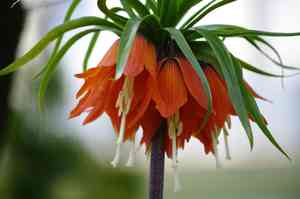


Quickly Identify Crown imperial
Scientific Classification of Crown imperial
Planting and Growing of Crown imperial
 How to Water Crown imperial?
 What Are the Sunlight Requirements for Crown imperial?
 What Is the Ideal Temperature Range for Crown imperial?
 What Soil is Best for Crown imperial?
 How to Fertilize Crown imperial?
 How to Prune Crown imperial?
 How to Propagate Crown imperial plant?
 How to Repot Crown imperial plant?
Toxicity of Crown imperial
Is Crown imperial toxic to humans?
The crown imperial, similar to many other *Fritillaria* species, poses a significant poisoning risk to humans. Its various parts, particularly the bulb, are laden with harmful alkaloids. In addition to inducing severe gastrointestinal distress, including vomiting and diarrhea, consumption of this plant may lead to decreased blood pressure, muscle cramps, and potential heart failure. It is crucial to ensure this plant is kept out of reach of children and individuals with cognitive impairments.
Is Crown imperial toxic to cat?
Fritillaria imperialis, commonly known as 'Crown imperial', contains a moderate degree of toxicity for cats. If a cat consumes any part of the crown imperial plant, it can result in poisoning. Symptoms of physical distress or illness may appear after ingestion, necessitating urgent care. Cat proprietors should remain attentive to the presence of crown imperial in their surroundings, as every part of this plant poses a risk to felines. If there is any concern that a cat may have ingested crown imperial, it is crucial to seek immediate veterinary assistance to safeguard their health and to initiate suitable treatment.
Is Crown imperial toxic to dog?
Crown imperial presents a moderate toxicity hazard for dogs. Poisoning usually occurs when a dog consumes any part of the plant, which is particularly alarming given that all sections of crown imperial are harmful. Dogs that consume any portion of this plant may show signs such as vomiting, diarrhea, excessive drooling, lethargy, or more severe symptoms depending on the quantity ingested. It is essential for dog owners to keep their pets away from crown imperial and closely observe them if they are in an environment where this plant is found. Should a dog ingest crown imperial, it is vital to seek prompt veterinary attention to guarantee appropriate treatment and management of the toxic effects.



