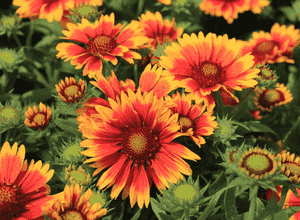
Common blanketflower (Gaillardia aristata)
Also known as: Firewheel, Indian blanketflower
Arrowleaf Balsamroot (Balsamorhiza sagittata) is indigenous to the Rocky Mountains and regions of the northwestern United States. This wildflower is admired for its large, vivid yellow blooms, which appear primarily in late spring. It is known for attracting butterflies, and its seeds are a favorite among goldfinches.
In This Article
Attributes of Common blanketflower
Lifespan
Perennial
Plant Type
Herb
Plant Height
20 cm to 70 cm
Spread
60 cm
Leaf Color
Green
Flower Size
5 cm to 7 cm
Flower Color
Yellow Red Orange Gold
Images of Common blanketflower
Quickly Identify Common blanketflower
1
Vibrant daisy-like flowers 3-4 inches (7.6-10.2 cm) with orange-red centers and yellow-tipped petals.
2
Fuzzy-haired foliage and 1-3 feet (30-91 cm) tall, thriving in full sun. May-Sept blooming period.
3
Striking flower heads with serrated yellow-tipped petals around orange-red disks, creating vivid contrast.
4
Rough and hairy achene fruit, small in size, aids in dispersal by wind or animals.
5
Gray-green lanceolate leaves, approximately 6 inches (15 cm) long, with pinnate venation and hairy texture.
Scientific Classification of Common blanketflower
Phylum
Vascular plants
Class
Dicotyledons
Order
Asters bellflowers fanflowers and allies
Family
Daisy
Genus
Blanket flowers
Species
Common blanketflower
Planting and Growing of Common blanketflower
Care Difficulty
Easy
Watering Schedule
Every 3 days
Sunlight Requirements
Full sun
Sunshine Duration
4-6 hours
Ideal Temperature
65-75℉
Soil Type
Potting Mix, Peat Mix
Soil pH
6.5-7.5
Fertilizer Type
Balanced
Pruning Season
Spring, Summer
Pruning Area
Branches, Leaves
Pruning Frequency
2 times a year
Repotting Season
Spring
Pot Type
Plastic, Ceramic
 How to Water Common blanketflower?
When watering Gaillardia aristata, aim for about 250 ml per session. The goal is to keep the soil evenly moist, but not waterlogged, providing enough moisture to reach the root zone without drowning the roots. During particularly warm periods, you may need to adjust slightly depending on the soil moisture.
More About Watering Techniques→
What are the symptoms of an underwatered Common blanketflower?
›
What should I do if my Common blanketflower is not getting enough water?
›
What are the symptoms of an overwatered Common blanketflower?
›
How to save an overwatered Common blanketflower?
›
 What Are the Sunlight Requirements for Common blanketflower?
Gaillardia aristata flourishes under full sun conditions, benefiting from 6 to 8 hours of direct sunlight daily. Such exposure ensures optimal flowering, robust growth, and vibrant foliage coloration.
More About Sunlight Requirements Techniques→
What is the best light condition for Gaillardia aristata?
›
How can you make sure Gaillardia aristata gets the ideal light?
›
Why is full sun crucial for Gaillardia aristata?
›
 What Is the Ideal Temperature Range for Common blanketflower?
The ideal temperature range for Gaillardia aristata is between 65°F and 75°F. This range allows the plant to photosynthesize efficiently, promoting healthy growth and vibrant blooms. Maintaining these temperatures helps keep the plant's metabolic processes at an optimal level.
 What Soil is Best for Common blanketflower?
Gaillardia aristata thrives best in well-draining soil. This is crucial for preventing root rot and ensuring the roots receive the sufficient oxygen they need. It also promotes healthier growth and vibrant blooms. While being relatively low maintenance, Gaillardia aristata appreciates slightly nutrient-rich soil as it enhances flower production. Enriching the soil with organic matter can boost nutrient levels and support sustained flowering. Moderately fertile soil supports robust growth, but avoid highly fertile options, as they may lead to excessive foliage with fewer blooms. Balancing fertility enhances Gaillardia's natural beauty and thriving capacity.
More About Soil→
 How to Fertilize Common blanketflower?
Gaillardia aristata needs a moderate amount of fertilizer. Use a balanced liquid fertilizer diluted to half strength. Apply approximately 10-15 ml per plant each session to avoid over-fertilization and ensure optimal blooms.
More About Fertilizing Techniques→
 How to Prune Common blanketflower?
Begin by removing spent blooms to encourage a longer flowering period. Use sanitized shears to snip just above the first set of healthy leaves, fostering better air circulation and flowering. For fuller growth, cut back leggy and weak stems by one-third in early spring. This helps stimulate robust new growth, resulting in a bushier appearance. Every few years, divide overgrown clumps to rejuvenate the plant. Dig around the plant base, lift gently, and separate the roots carefully, replanting immediately in well-drained soil.
More About Pruning Techniques→
 How to Propagate Common blanketflower plant?
1
Prepare a well-draining seed bed or seed tray by filling it with a good-quality potting mix. Moisten the soil thoroughly, but avoid making it waterlogged. This ensures the seeds have the right environment for germination.
2
Scatter 'Gaillardia aristata' seeds thinly across the surface of the prepared soil. Lightly cover the seeds with a thin layer of soil or vermiculite, as they require some light for germination. Water very gently to settle the seeds in place.
3
To propagate by cutting, select a healthy stem from the parent plant. Cut a 4-6 inch segment just below a leaf node. Remove the lower leaves and dip the cut end in rooting hormone before planting in a pot filled with moistened potting mix.
 How to Repot Common blanketflower plant?
1
Gaillardia aristata should be repotted when you notice its roots are crowding the pot or emerging from the drainage holes. Additionally, if the plant's growth becomes stunted or if the soil dries out too quickly, these are signs that it's time for a new pot.
2
Choose a pot that is about 2-3 inches larger in diameter than the current one and has excellent drainage holes. This prevents waterlogging and encourages healthy root growth, providing ample space for the plant to expand. Opt for a breathable material like terracotta to enhance airflow to the roots.
3
Select a well-drained, sandy mix enriched with organic matter to simulate the plant's natural habitat. This type of soil provides excellent drainage while offering enough nutrients to support robust growth, reducing the risk of root rot while encouraging healthy blooms.
Learn More About Common blanketflower Diseases
Anthracnose
Bacterial Leaf Spot
Black Spot
Chemical Injury
Crown Gall
Cyst Nematode
Damping-off
Downy Mildew
Drought Stress
Fusarium Wilt
Gray Mold
Leaf Spot
Mosaic
Nutrient Deficiency
Nutrient Toxicity
Powdery Mildew
Root Rot
Root-knot Nematode
Rusts
Sooty Mold
Spider Mites
Temperature Stress
Thrips Damage
White Mold



