
Wintergreen (Gaultheria procumbens)
Also known as: Checkerberry, Boxberry
American wintergreen, scientifically known as *Gaultheria procumbens*, is also commonly called wintergreen.
Attributes of Wintergreen
Images of Wintergreen
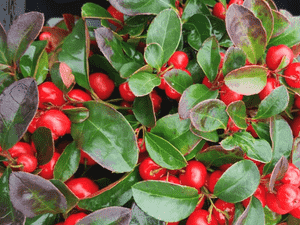
Quickly Identify Wintergreen
Scientific Classification of Wintergreen
Planting and Growing of Wintergreen
 How to Water Wintergreen?
 What Are the Sunlight Requirements for Wintergreen?
 What Is the Ideal Temperature Range for Wintergreen?
 What Soil is Best for Wintergreen?
 How to Fertilize Wintergreen?
 How to Prune Wintergreen?
 How to Propagate Wintergreen plant?
 How to Repot Wintergreen plant?
Toxicity of Wintergreen
Is Wintergreen toxic to humans?
Wintergreen is known to contain methyl salicylate, particularly in its berries. When ingested, this compound is converted into salicylic acid, which is the active metabolite of aspirin. Salicylic acid may lead to a condition termed metabolic acidosis, which results in rapid breathing, potential organ damage, and ultimately organ failure. Consuming lesser quantities of wintergreen berries can trigger nausea, stomach discomfort, and vomiting, primarily due to the methyl salicylate content. It is advisable to keep children or individuals with cognitive impairments away from this plant.
Is Wintergreen toxic to cat?
Wintergreen carries a mild toxicity risk for cats. Ingesting high quantities of the entire plant may result in various symptoms of discomfort or illness in felines. Cat owners should remain vigilant and prevent their pets from consuming any parts of the wintergreen, as even minor toxic reactions necessitate swift action. Should a cat exhibit any signs of distress after exposure to wintergreen, it is essential to seek immediate veterinary attention to safeguard their health and avert possible complications.
Is Wintergreen toxic to dog?
Wintergreen presents a low-level toxicity risk for dogs. If canines consume this plant in large quantities, they can experience poisoning. All parts of the wintergreen plant are deemed toxic and may result in harmful reactions in dogs. Symptoms of toxicity can include gastrointestinal distress like vomiting and diarrhea, decreased energy, or more serious effects depending on the amount ingested. It is essential for dog guardians to keep a close eye on their pets and ensure they do not eat wintergreen. Should a dog ingest wintergreen, it is vital to seek immediate veterinary assistance to secure the best possible outcome for the animal.



