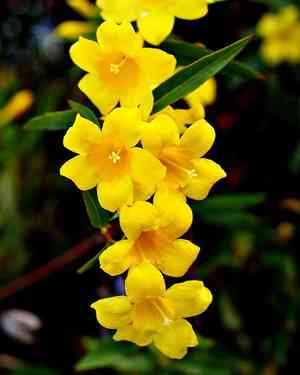
Carolina jasmine (Gelsemium sempervirens)
Also known as: Yellow jessamine, Gelsemium
Carolina jasmine (Gelsemium sempervirens) is a vine native to the southern United States and Central America. Known for its attractive yellow flowers, it is also referred to as Yellow Jessamine, Carolina Jessamine, Evening Trumpetflower, and Woodbine. While it is a popular choice for gardens, all parts of the plant are toxic if ingested and can cause skin irritation, making it a potentially risky houseplant, especially for households with pets or children.
Attributes of Carolina jasmine
Images of Carolina jasmine
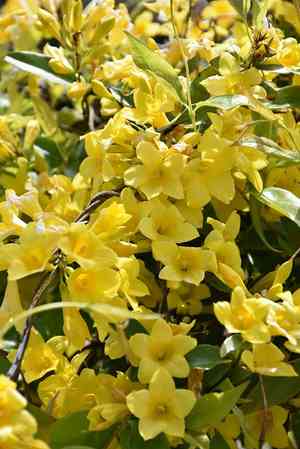
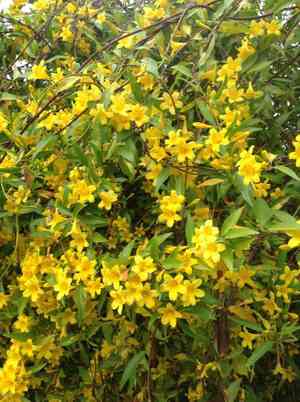

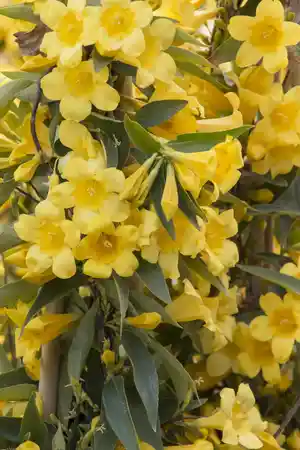
Quickly Identify Carolina jasmine
Scientific Classification of Carolina jasmine
Planting and Growing of Carolina jasmine
 How to Water Carolina jasmine?
 What Are the Sunlight Requirements for Carolina jasmine?
 What Is the Ideal Temperature Range for Carolina jasmine?
 What Soil is Best for Carolina jasmine?
 How to Fertilize Carolina jasmine?
 How to Prune Carolina jasmine?
 How to Propagate Carolina jasmine plant?
 How to Repot Carolina jasmine plant?
Toxicity of Carolina jasmine
Is Carolina jasmine toxic to humans?
Carolina jasmine possesses extremely toxic alkaloids throughout every component of the plant, which includes its seeds, leaves, stems, flowers, roots, and fruits. Ingesting any part of this plant could result in poisoning. The symptoms associated with this toxicity encompass sweating, nausea, weakness, dilated pupils, reduced body temperature, convulsions, and in severe cases, respiratory failure. This plant is commonly found in wooded areas and disturbed habitats, and is additionally grown as an ornamental species in various landscapes, making accidental ingestion a likely scenario.
Is Carolina jasmine toxic to cat?
Carolina jasmine is a poisonous plant that presents a significant danger to the health of cats. If felines ingest any part of this plant, they may suffer from poisoning. Exposure can result in physical distress signs, such as gastrointestinal issues, which often manifest through various symptoms indicating discomfort. It is essential to identify these signs promptly, and should the first symptoms of poisoning appear, immediate action is required to take the affected cat to a veterinary clinic for urgent care.
Is Carolina jasmine toxic to dog?
Carolina jasmine is a highly toxic plant that presents a considerable danger to dogs. Any part of this plant can cause poisoning in dogs who consume it, as all sections are identified as toxic. Even small quantities of carolina jasmine can lead to various symptoms, including vomiting, diarrhea, weakness, difficulty breathing, and more severe complications such as seizures or paralysis. Due to the serious health threats linked to carolina jasmine, it is essential for dog owners to prevent their animals from accessing this plant and to watch closely for any signs of unintentional ingestion. If poisoning is suspected, prompt veterinary attention is vital to secure the best possible outcome for the affected dog.



