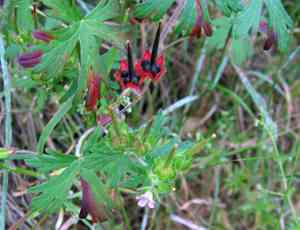
Carolina geranium (Geranium carolinianum)
Also known as: Wild geranium
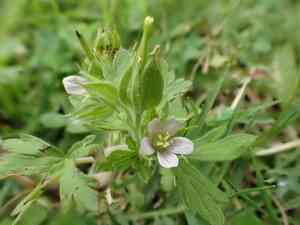
Carolina geranium is a wildflower with tall stems covered in distinctive, spiky growths that resemble hair. Each pink or white flower has a five-petal shape and grows clustered together with others. One of the most unusual features of the plant is its fruit, which has an elongated, beak-like shape, leading to its common Southern nickname: "Cranesbill."
In This Article
Attributes of Carolina geranium
Lifespan
Annual, Biennial
Plant Type
Herb
Plant Height
20 cm to 60 cm
Spread
20 cm
Leaf Color
Green
Flower Size
2.5 cm
Flower Color
White Pink Purple
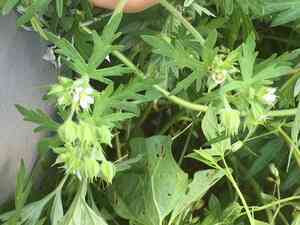
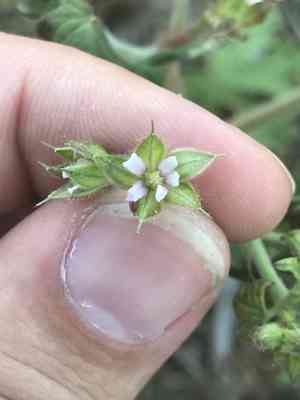
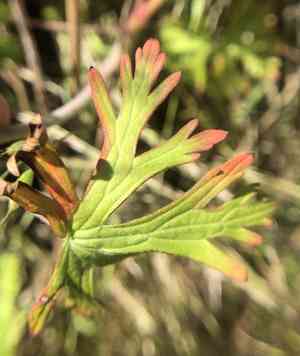
Images of Carolina geranium
Quickly Identify Carolina geranium
1
Distinctive five-parted leaves, up to 3 inches (7.6 cm) wide, with reddish hues and fine hairs.
2
Beautiful flowers with pale pink or white petals, notched and veined, blooming from March to July.
3
Unique seed capsule resembling a crane's bill, with a long, beak-like extension for propulsion.
4
Round green stem maturing to reddish-brown, covered in white hairs, slender at 0.1-0.2 inches (2-5 mm).
5
Upright fruit capsule with central beak for seed catapulting, evolving from green to tawny hues.
Scientific Classification of Carolina geranium
Phylum
Vascular plants
Class
Dicotyledons
Order
Geraniales
Family
Geranium
Genus
Geraniums
Species
Carolina geranium
Planting and Growing of Carolina geranium
Care Difficulty
Easy
Watering Schedule
Every 2 days
Sunlight Requirements
Partial sun
Sunshine Duration
6-10 hours
Ideal Temperature
60-75℉
Soil Type
Potting Mix, Peat Mix
Soil pH
6.5-7.5
Fertilizer Type
Balanced
Pruning Season
Spring, Summer
Pruning Area
Branches, Leaves
Pruning Frequency
2 times a year
Repotting Season
Spring
Pot Type
Plastic, Ceramic
 How to Water Carolina geranium?
Geranium carolinianum prefers moderate watering, typically around 250 ml per session. This amount keeps the soil sufficiently moist but not overly wet, reflecting this plant's natural preference for well-drained environments.
What are the symptoms of an underwatered Carolina geranium?
›
What should I do if my Carolina geranium is not getting enough water?
›
What are the symptoms of an overwatered Carolina geranium?
›
How to save an overwatered Carolina geranium?
›
 What Are the Sunlight Requirements for Carolina geranium?
Partial to full sun is ideal for Geranium carolinianum, providing warmth and light for strong growth, lush foliage, and blooms. Ensures plant health and successful growth.
What is the optimal light exposure for Geranium carolinianum?
›
How can Geranium carolinianum achieve ideal sunlight conditions?
›
What are the benefits of ideal light conditions?
›
 What Is the Ideal Temperature Range for Carolina geranium?
For Geranium carolinianum, the ideal temperature range is between 60°F and 75°F. This range supports optimal growth and blooming, providing an environment that mimics its natural habitat. Maintaining this range ensures healthy foliage and robust flowering, as temperatures within these limits contribute to efficient photosynthesis and nutrient uptake.
 What Soil is Best for Carolina geranium?
Ensuring that the soil is well-drained is crucial for Geranium carolinianum as it prevents root rot and allows the roots to access oxygen. Well-drained conditions facilitate healthy growth and overall plant vigor. Geranium carolinianum thrives in soils that are rich in organic matter. This nutrient-rich environment supports robust growth and vibrant foliage, ensuring the plant has all the necessary resources to flourish. A soil that retains moderate moisture is ideal for maintaining consistent hydration levels, which is essential for the healthy growth of Geranium carolinianum without risking waterlogged conditions.
 How to Fertilize Carolina geranium?
For Geranium carolinianum, use a balanced fertilizer like 10-10-10 at a quarter strength. This plant is fairly resilient and does not require heavy fertilization, so ensure not to overdo it. A light hand with fertilizers will encourage healthy growth without overwhelming the plant's root system.
 How to Prune Carolina geranium?
Ensuring the right timing for pruning Geranium carolinianum is crucial for its health. Prune in early spring as new growth emerges to encourage bushier growth, and then again in autumn to remove any dead or damaged foliage before winter. Begin by using clean, sharp shears to make precise cuts. Remove any spent flowers to prevent the plant from going to seed and to encourage more blooms. Trim back any excessively long stems to maintain a neat shape. Always make cuts at an angle to allow water to run off, minimizing the risk of rot. After pruning, promptly dispose of the cut materials. This prevents any spread of disease or pest infestation that can occur if the debris is left around the plant.
 How to Propagate Carolina geranium plant?
1
Evenly distribute Geranium carolinianum seeds over the seed trays filled with moistened potting soil. Cover lightly with a thin layer of soil, as these seeds require light exposure to germinate effectively.
2
Use a fine mist spray to water the seeds initially, ensuring they remain slightly moist but not waterlogged. Overwatering can cause seed rot, so always check the soil's surface moisture.
3
Once seedlings have developed at least a couple of true leaves, they should be transplanted carefully into larger pots or directly into the garden. Handle with care to avoid damaging the delicate roots.
 How to Repot Carolina geranium plant?
1
Typically, Geranium carolinianum signals the need for repotting when roots start to grow out of the drainage holes, or the plant begins to look top-heavy and struggles with stunted growth. Another clear sign is when the soil begins to decompose or lose its ability to retain moisture correctly. Spring and summer are optimal as the plant is in its growing phase, enabling it to adjust better to a new pot.
2
Pick a pot that's only slightly bigger than the current one, usually 1-2 inches larger in diameter. This helps avoid excessive soil that can retain unnecessary moisture leading to root rot. Ensure the pot has good drainage holes to facilitate proper water flow, which is crucial for preventing waterlogged soil and keeping the roots healthy.
3
A well-draining potting mix is essential for Geranium carolinianum. Use a mixture that includes peat moss or coco coir, perlite, and a bit of coarse sand. This combination ensures moisture retention while allowing enough air circulation to prevent fungal problems, leading to healthier root development.
Learn More About Carolina geranium Diseases
Anthracnose
Bacterial Leaf Spot
Bacterial Soft Rot
Bacterial Wilt
Black Spot
Chemical Injury
Damping-off
Downy Mildew
Drought Stress
Fusarium Wilt
Gray Mold
Leaf Spot
Mosaic
Nutrient Deficiency
Nutrient Toxicity
Powdery Mildew
Root Rot
Root-knot Nematode
Rusts
Sooty Mold
Spider Mites
Temperature Stress
Thrips Damage
White Mold



