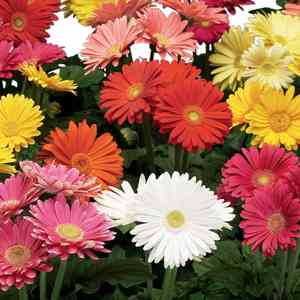
Barberton daisy (Gerbera jamesonii)
Also known as: Daisy baberton, Transvaal daisy
The Barberton Daisy (Gerbera jamesonii), known for its vibrant and appealing flowers, originates from Southeastern Africa. This flower has gained popularity as a houseplant well beyond its native region. Notably, it is featured on the flag and coat of arms of Mpumalanga, a province in South Africa.
In This Article
Attributes of Barberton daisy
Lifespan
Perennial, Annual
Plant Type
Herb
Plant Height
30 cm to 60 cm
Spread
30 cm to 60 cm
Leaf Color
Green
Flower Size
6 cm to 10 cm
Flower Color
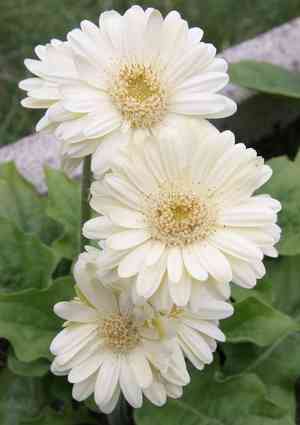
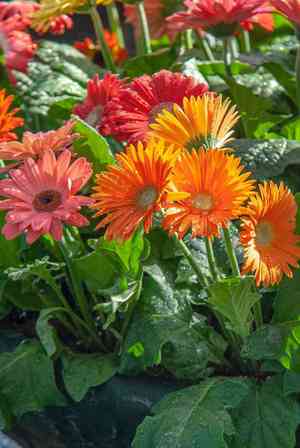
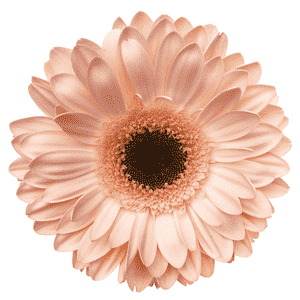
Yellow Pink Orange White Red Gold
Images of Barberton daisy
Quickly Identify Barberton daisy
1
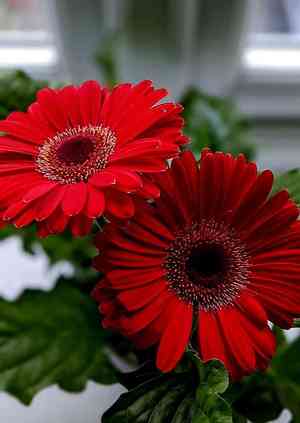
Vivid daisy-like flowers, reaching 4 inches (10 cm) in diameter, in colors of white, yellow, pink, and red.
2
Sturdy, leafless stems growing 12-18 inches (30-45 cm) tall with deep green spatulate leaves.
3
Striking flowers with ray flowers in red, yellow, or orange hues, up to 4 inches (10 cm) wide.
4
Brown achene fruit, cylindrical to oval, with a tuft of hair aiding in wind dispersal, around 1/8 inch (3 mm).
5
Basal rosette leaves, reaching 20 inches (50 cm) in length, with coarse texture and prominent veins.
Scientific Classification of Barberton daisy
Phylum
Vascular plants
Class
Dicotyledons
Order
Asters bellflowers fanflowers and allies
Family
Daisy
Genus
African daisies
Species
Barberton daisy
Planting and Growing of Barberton daisy
Care Difficulty
Moderate
Watering Schedule
Every 8 days
Sunlight Requirements
Full sun
Sunshine Duration
6-10 hours
Ideal Temperature
64-75℉
Soil Type
Potting Mix, Peat Mix
Soil pH
6.5-7.5
Fertilizer Type
Balanced
Pruning Season
Spring, Summer
Pruning Area
Branches, Leaves
Pruning Frequency
2 times a year
Repotting Season
Spring
Pot Type
Plastic, Ceramic
 How to Water Barberton daisy?
Gerbera jamesonii thrives when you provide a balanced watering approach. Aim to thoroughly soak the soil, ensuring the water reaches the roots. Yet, be careful not to leave the soil soggy; always allow the top inch to dry out before watering again.
More About Watering Techniques→
What are the symptoms of an underwatered Barberton daisy?
›
What should I do if my Barberton daisy is not getting enough water?
›
What are the symptoms of an overwatered Barberton daisy?
›
How to save an overwatered Barberton daisy?
›
 What Are the Sunlight Requirements for Barberton daisy?
Gerbera jamesonii thrives in partial to full sunlight settings. This light encourages robust growth and abundant flowering, ensuring the plant remains healthy and visually stunning.
More About Sunlight Requirements Techniques→
How much sunlight does Gerbera jamesonii need?
›
How can I ensure my Gerbera gets adequate sunlight?
›
What are the benefits of ideal lighting for Gerbera?
›
 What Is the Ideal Temperature Range for Barberton daisy?
For optimal growth, Gerbera jamesonii thrives in an environment where temperatures are consistently between 64°F and 75°F. This range ensures that the plant's physiological processes, such as photosynthesis and respiration, occur efficiently, promoting healthy development and vibrant flowering.
 What Soil is Best for Barberton daisy?
Gerbera jamesonii thrives in nutrient-rich soil that supports its vibrant blooms. Rich organic matter provides essential nutrients, enhancing growth and flower quality. This ensures robust plant health and abundant flowering. This plant requires well-draining soil to prevent root rot, which can occur in waterlogged conditions. Good drainage allows roots to access oxygen, promoting healthy growth and vibrant blooms. It also reduces the risk of fungal infections. Soil with moderate moisture retention is perfect for Gerbera jamesonii, ensuring the plant remains hydrated without excess water. This balance supports steady growth and prevents stress on the plant, leading to robust flowering.
More About Soil→
 How to Fertilize Barberton daisy?
Gerbera jamesonii, also known as the Gerbera daisy, thrives with a balanced fertilizer formula. When using liquid fertilizers, apply at a rate of 1/4 teaspoon per gallon of water. For granular slow-release fertilizers, use about 1 tablespoon per plant. It's crucial to avoid over-fertilizing, which might lead to salt build-up in the soil.
More About Fertilizing Techniques→
 How to Prune Barberton daisy?
Remove spent or wilted flowers regularly to encourage further blooming and tidy up the plant. Cut the flower stalks down to the base near the foliage to avoid unattractive stubs and foster new growth. Cut back any dead or damaged leaves by following them down to the base of the plant. This not only enhances the plant's aesthetic appeal but also improves air circulation around it, reducing the risk of fungal diseases.
More About Pruning Techniques→
 How to Propagate Barberton daisy plant?
1
First, source fresh seeds from a reliable provider. Soak them in water for 24 hours to soften the seed coat, improving germination rates. Then, plant the seeds shallowly in a well-draining seed-starting mix.
2
Select healthy, non-flowering stems from the parent plant. Cut the stems to about 4-6 inches in length, ensuring each cutting has a few leaves. Remove any flowers or buds to direct energy into root formation.
3
When dividing a mature Gerbera jamesonii plant, carefully lift it out of the soil. Use a clean tool to separate the root clump into smaller sections, ensuring each section has roots and shoots for successful replanting.
 How to Repot Barberton daisy plant?
1
Observe Gerbera jamesonii for crowded roots or reduced flower production as signals for repotting. The best time is when the plant is actively growing, typically in spring or summer. These conditions ensure the plant can recover quickly in its new environment.
2
Choose a pot that is 1-2 inches wider in diameter than the current one, allowing ample space for roots to expand. A pot with adequate drainage holes is crucial to prevent waterlogging, which can cause root rot and harm the plant’s health.
3
Opt for a soil mix that is rich in organic matter and well-draining, such as a blend of peat, perlite, and compost. This combination allows for optimal aeration, prevents root rot, and mimics the plant's natural habitat for healthy growth.
Learn More About Barberton daisy Diseases
Anthracnose
Bacterial Leaf Spot
Bacterial Soft Rot
Bacterial Wilt
Chemical Injury
Crown Gall
Cyst Nematode
Damping-off
Downy Mildew
Drought Stress
Fusarium Wilt
Gray Mold
Leaf Spot
Mosaic
Nutrient Deficiency
Nutrient Toxicity
Powdery Mildew
Root Rot
Root-knot Nematode
Rusts
Sooty Mold
Spider Mites
Temperature Stress
Thrips Damage
White Mold



