Maidenhair tree(Ginkgo biloba)

Maidenhair tree (Ginkgo biloba)

Also known as: Kew Ginkgo

The Ginkgo biloba, also known as the maidenhair tree, is a living fossil with a history that stretches back approximately 270 million years, as evidenced by recognizable fossils. This species is among the earliest plants cultivated by humans. The ripe fruits emit an unpleasant odor, leading growers to often prefer planting male (non-fruiting) trees.

Attributes of Maidenhair tree

Lifespan
Perennial
Plant Type
Tree
Plant Height
20 m to 35 m
Spread
8 m to 11 m
Leaf Color
Green Yellow
Flower Size
2.5 cm
Flower Color
Green Yellow

PlantJoy - Identify plants with a snap

Identify and diagnose plants, get toxicity alerts, and explore safety guides for all types of fungi.

Try for Free

Images of Maidenhair tree

Maidenhair tree(Ginkgo biloba)

Quickly Identify Maidenhair tree

1
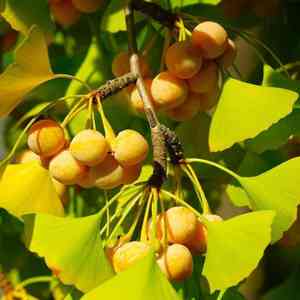
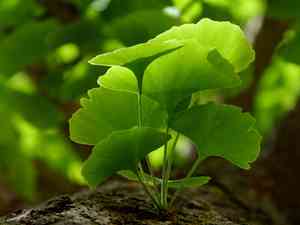
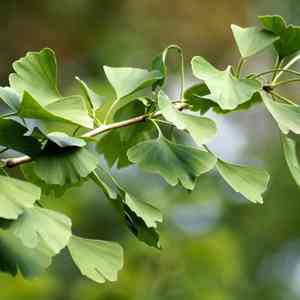
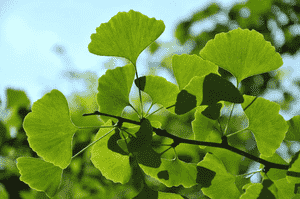
Distinctive fan-shaped leaves, turning vibrant yellow in fall, 2-3 inches (5-7.5 cm) long.
2
Plum-like pseudo-fruits with yellow-orange fleshy outer layer emitting strong odor when ripe.
3
Imbricate stem pattern, light gray-brown, rough texture, mounded branching, 0.4-1 inch (1-2.5 cm).
4
Rugged grey-brown trunk, vertical ridges, fluted appearance, 2-4 feet (60-120 cm) diameter in maturity.
5
Male pollen cones around 0.5-1 inch (1-2.5 cm), female ovules on short stalks for seed development.

Scientific Classification of Maidenhair tree

Phylum
Vascular plants
Class
Ginkgos
Order
Ginkgos
Family
Ginkgo
Genus
Ginkgo
Species
Maidenhair tree

Planting and Growing of Maidenhair tree

Care Difficulty
Easy
Watering Schedule
Every 2 days
Sunlight Requirements
Full sun
Sunshine Duration
4-8 hours
Ideal Temperature
60-75℉
Soil Type
Potting Mix, Peat Mix
Soil pH
6.5-7.5
Fertilizer Type
Balanced
Pruning Season
Spring, Summer
Pruning Area
Branches, Leaves
Pruning Frequency
2 times a year
Repotting Season
Spring
Pot Type
Plastic, Ceramic

water icon How to Water Maidenhair tree?

The Ginkgo biloba tree thrives best with a moderate amount of water, typically around 500 milliliters per watering. It is essential to ensure that the soil is well-drained, as Ginkgo prefers not to sit in waterlogged conditions. The goal is to keep the soil moist but not soggy, mimicking its natural setting. This amount ensures that the roots receive sufficient hydration without the risk of root rot.
What are the symptoms of an underwatered Maidenhair tree?
What should I do if my Maidenhair tree is not getting enough water?
What are the symptoms of an overwatered Maidenhair tree?
How to save an overwatered Maidenhair tree?
More About Watering Techniques

sunlight icon What Are the Sunlight Requirements for Maidenhair tree?

Sunlight Requirements: Full sun, Partial sun
Duration of light: 4 to 6 hours
Ginkgo biloba thrives best in full sun to partial sun conditions, with an ideal exposure to 4 to 6 hours daily. This light range supports robust growth and allows the plant to develop its characteristic vivid autumn hues.
What is the ideal amount of light for Ginkgo biloba?
How can I ensure Ginkgo biloba gets optimal sunlight?
What are the benefits of ideal lighting conditions for Ginkgo biloba?
More About Sunlight Requirements Techniques

temperature icon What Is the Ideal Temperature Range for Maidenhair tree?

Ideal Temperature: 60 ~ 75℉
The ideal temperature range for cultivating Ginkgo biloba is between 60°F and 75°F. This range supports optimal growth, ensuring that the plant experiences balanced photosynthesis and metabolism. Ginkgo biloba thrives in mild climates where temperature fluctuations are minimal.

soil icon What Soil is Best for Maidenhair tree?

Soil type: Loam, Sandy soil, Sandy loam
Soil PH: 6.5 ~ 7.5
Ginkgo biloba thrives in well-drained soil to prevent root rot. This characteristic supports healthy root systems and ensures adequate nutrient uptake. The tree requires soil with moderate fertility, ensuring it receives enough nutrition for growth without being overwhelmed by excess nutrients, which could lead to nutrient burn. While Ginkgo biloba prefers well-drained soil, it also benefits from soil that retains moisture. Proper moisture levels help sustain growth during dry spells without causing waterlogging. More About Soil

fertilize icon How to Fertilize Maidenhair tree?

Fertilizer type: Balanced
Ginkgo biloba, a resilient tree, requires balanced fertilization to thrive. During the growing season, apply a general-purpose fertilizer at half the recommended rate to avoid nutrient overload. This plant doesn't demand heavy feeding, making it a low-maintenance addition to any garden. More About Fertilizing Techniques

prune icon How to Prune Maidenhair tree?

Pruning Time: Spring, Summer, Autumn, Winter
Begin by inspecting the tree for any dead, diseased, or damaged branches. These should be removed first to prevent disease spread and improve the overall aesthetic of the tree. Cut back to the nearest healthy branch or trunk. After removing the dead wood, focus on shaping the tree. Prune to maintain a balanced structure, removing any awkward branches that cross each other or grow inward. This helps in promoting an even, aesthetically pleasing canopy. While shaping, keep the interior of the canopy open to allow for air and light penetration. This reduces the risk of diseases and promotes healthy foliage. Removing excess branches from the center encourages a healthy, open structure. More About Pruning Techniques

propagate icon How to Propagate Maidenhair tree plant?

Propagate Time: Late spring,Early summer
1
Collect seeds from mature Ginkgo biloba in autumn. Clean the seeds of any flesh and let them dry. It's crucial to stratify the seeds in a refrigerator for about three months before planting to break dormancy, which enhances germination rates.
2
Sow the stratified seeds in pots with the sterile potting mix in late spring. Bury them at a depth equal to twice the diameter of the seeds. Water the mix to keep it consistently moist but not waterlogged.
3
Place the pots in a warm, sunny location. Ensure adequate sunlight as ginkgo seedlings require it for healthy growth. Water regularly but avoid overwatering, which can cause roots to decay. Thin out weaker seedlings to give stronger ones more space to thrive.
More About Propagating Techniques

repot icon How to Repot Maidenhair tree plant?

Repotting frequency: Every 3-5 years
1
Ginkgo biloba needs repotting when the roots start circling the pot or emerging from drainage holes. Typically, observing slow growth or yellowing leaves can also signal the need for a new pot. Ideal repotting periods are typically in early spring or autumn to minimize plant stress.
2
Select a pot that is 2 to 3 inches larger in diameter than the current one, with adequate drainage holes. A pot of this size will allow the roots to spread and grow without becoming waterlogged. Materials like terracotta can help with moisture regulation.
3
Choose a well-draining loamy soil mix. This ensures that the Ginkgo biloba receives adequate moisture without waterlogging. Adding a bit of compost can enrich the soil, offering essential nutrients that promote healthy growth.
More About Repotting Techniques

PlantJoy - Identify plants with a snap

Find the best spots for them to optimize their health, simply using your phone.

Try for Free

Toxicity of Maidenhair tree

Is Maidenhair tree toxic to humans?

The Maidenhair tree can induce harmful reactions in individuals if consumed, especially among those who are sensitive or who ingest this plant in significant quantities. The effects are generally moderate, arising from the presence of cyanogenic glycosides in the seeds. Symptoms can include headache, nausea, abdominal pain, constipation, dizziness, confusion, irregular heartbeat, and even skin irritation. Some individuals may unknowingly consume inadequately prepared seeds, unaware of the risks involved, while others might take the plant for medicinal purposes without recognizing the potential toxic effects. Elderly individuals or those with epilepsy or blood disorders may be particularly susceptible to the toxic effects associated with this plant.

Is Maidenhair tree toxic to cat?

The maidenhair tree exhibits a moderate toxicity level for cats. Direct consumption, especially of its seeds, may result in poisoning. If a cat consumes these parts, it may exhibit signs of physical discomfort or agitation. Cat owners should take prompt action and contact a veterinarian if they notice any such symptoms. Although the specific toxic agents are not detailed, it is essential for pet owners to restrict access to the seeds of the maidenhair tree to safeguard their feline friends.

Is Maidenhair tree toxic to dog?

The maidenhair tree is recognized for its moderate level of toxicity to dogs. Poisoning often arises when a dog consumes any portion of the plant, especially the seeds which are notably toxic. Following ingestion, dogs may demonstrate symptoms including vomiting, diarrhea, weakness, or seizures. It is vital for dog owners to remain alert and prevent their pets from reaching the seeds of the maidenhair tree. Should a dog ingest any part of this tree, it is imperative to seek prompt veterinary assistance to secure the best possible prognosis for the animal.

Identify toxic plants for your safety

Learn which plants are harmful to you and your pets, and make informed choices for a safer home!

Try for Free
WARNING
The judgment on toxicity and danger is for reference only. We DO NOT GUARANTEE any accuracy of such judgment. Therefore, you SHALL NOT rely on such judgment. It is IMPORTANT TO SEEK PROFESSIONAL ADVICE in advance when necessary.
More About Toxic Techniques