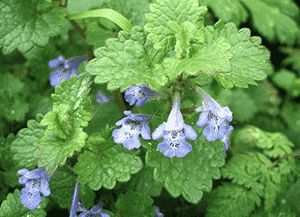
Ground ivy (Glechoma hederacea)
Also known as: Alehoof, Field balm
English Ivy (Hedera helix) is a perennial evergreen trailing plant commonly found in forests and urban areas. Originally spread by humans for ornamental purposes, it has now become invasive in various regions. English Ivy grows rapidly and can be toxic to horses, although it generally poses no threat to other animals or humans.
Attributes of Ground ivy
Images of Ground ivy
Quickly Identify Ground ivy
Scientific Classification of Ground ivy
Planting and Growing of Ground ivy
 How to Water Ground ivy?
 What Are the Sunlight Requirements for Ground ivy?
 What Is the Ideal Temperature Range for Ground ivy?
 What Soil is Best for Ground ivy?
 How to Fertilize Ground ivy?
 How to Prune Ground ivy?
 How to Propagate Ground ivy plant?
 How to Repot Ground ivy plant?
Toxicity of Ground ivy
Is Ground ivy toxic to humans?
The ingestion of ground ivy leaves is deemed unsafe for individuals who are pregnant, suffer from liver disorders, or have epilepsy. The possible harmful effects of this plant are contingent upon the dosage and means of consumption, and the associated symptoms and risks remain inadequately documented. Certain references suggest that it may lead to miscarriage or result in liver damage when taken in elevated quantities.
Is Ground ivy toxic to cat?
Ground ivy poses a low toxicity threat to cats. If felines consume significant quantities of any portion of the plant, they could suffer from negative side effects. To prevent possible poisoning, cat owners should be vigilant about letting their pets roam near or nibble on ground ivy. If a cat ingests a substantial amount, they may show general signs of discomfort. It is essential for cat owners to keep an eye out for any indications of sickness and to promptly seek veterinary assistance to safeguard their pet's health and wellbeing.
Is Ground ivy toxic to dog?
Ground ivy presents a low-level toxicity risk for dogs. Although this plant is not exceedingly toxic, consuming it in substantial amounts can result in poisoning. Dogs may be drawn to and ingest different parts of ground ivy, as all segments of the plant are regarded as toxic. Signs of poisoning in dogs can involve gastrointestinal disturbances like vomiting and diarrhea, as well as potential lethargy and excessive salivation. If you think your dog has ingested ground ivy, it is essential to obtain prompt veterinary assistance to guarantee appropriate treatment and management of any adverse symptoms.



