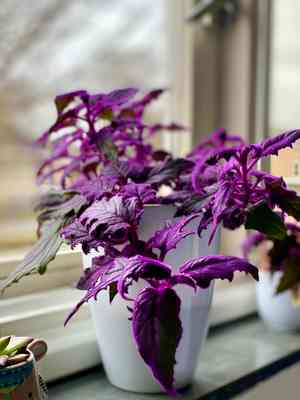
Velvet plant (Gynura aurantiaca)
Also known as: Java velvet plant, Purple passion vine
The Purple Passion Plant (Gynura aurantiaca) features rich, velvety foliage. Its deep purple leaves make it a popular choice for indoor cultivation.
In This Article
Attributes of Velvet plant
Lifespan
Perennial
Plant Type
Vine, Herb
Plant Height
30 cm to 61 cm
Spread
60 cm to 1.2 m
Leaf Color
Green Purple Red
Flower Size
2.5 cm
Flower Color
Yellow Orange
Images of Velvet plant

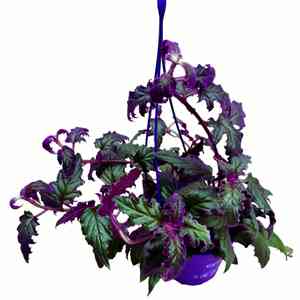
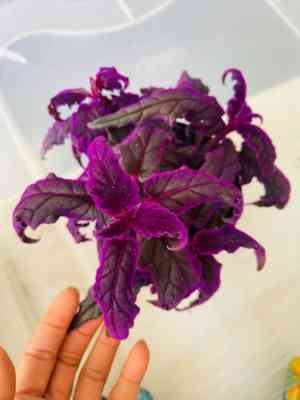
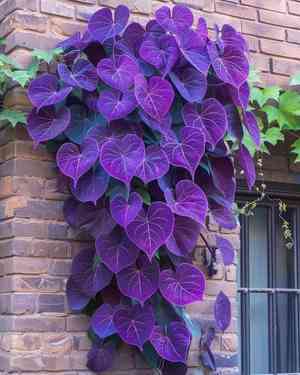
Quickly Identify Velvet plant
1
Vibrant purple hue on leaves and stems.
2
Heart-shaped, densely packed leaves.
3
Clusters of small orange-yellow flowers with pungent odor.
4
Leaves with vivid, reddish-purple hairs.
5
Flowers in tight, rounded corymb clusters.
Scientific Classification of Velvet plant
Phylum
Vascular plants
Class
Dicotyledons
Order
Asters bellflowers fanflowers and allies
Family
Daisy
Genus
Purple passion
Species
Velvet plant
Planting and Growing of Velvet plant
Care Difficulty
Easy
Watering Schedule
Every 8 days
Sunlight Requirements
Partial sun
Sunshine Duration
6-10 hours
Ideal Temperature
65-75℉
Soil Type
Potting Mix, Peat Mix
Soil pH
6.5-7.5
Fertilizer Type
Balanced
Pruning Season
Spring, Summer
Pruning Area
Branches, Leaves
Pruning Frequency
2 times a year
Repotting Season
Spring
Pot Type
Plastic, Ceramic
 How to Water Velvet plant?
When watering Gynura aurantiaca, ensure the soil is moist but not soggy. Aim to water thoroughly so that about 200ml of water goes through the soil. The goal is to see some drainage, indicating the root area is sufficiently hydrated, yet prevent any water logging situation.
What are the symptoms of an underwatered Velvet plant?
›
What should I do if my Velvet plant is not getting enough water?
›
What are the symptoms of an overwatered Velvet plant?
›
How to save an overwatered Velvet plant?
›
 What Are the Sunlight Requirements for Velvet plant?
Partial sun, receiving a balance of light to aid in maintaining vibrant foliage and strong stems, optimizes the plant's aesthetic and physiological health.
More About Sunlight Requirements Techniques→
What is the best light condition?
›
How to achieve this light condition?
›
What are the benefits of ideal light?
›
 What Is the Ideal Temperature Range for Velvet plant?
The ideal temperature range for Gynura aurantiaca, commonly known as Purple Passion Plant, is between 65°F and 75°F. This range allows the plant to thrive by maintaining optimal metabolic functions and vibrant foliage colors. Ensuring this temperature stability can promote healthy growth and flowering.
 What Soil is Best for Velvet plant?
Gynura aurantiaca thrives in well-draining soil, which helps prevent root rot by allowing excess water to escape. This is vital for the plant's health, as excess moisture can lead to fungal issues and overall poor performance. The plant prefers soil enriched with organic matter, providing essential nutrients that support vibrant growth and lush foliage. Compost or well-rotted manure are excellent additions to maintain the nutrient levels. A soil pH between 6.5 and 7.5 is ideal, as it ensures optimal nutrient availability. This range prevents nutrient lockout and supports the plant's vibrant purple foliage, enhancing photosynthesis and growth.
 How to Fertilize Velvet plant?
For Gynura aurantiaca, use a balanced liquid fertilizer diluted to half the recommended strength. Apply the liquid fertilizer bi-weekly during the growing season, usually from spring to autumn. This plant does not need heavy feeding, so avoid over-fertilizing.
 How to Prune Velvet plant?
Start by examining your Gynura aurantiaca for any leggy or overly long stems. These are the stems that may seem elongated and sparse, which can affect the plant's overall bushiness and health. Using clean and sharp scissors or pruning shears, trim these stems back to a node, promoting fuller growth. Gynura aurantiaca benefits from light trimming to maintain an attractive shape. Regularly cutting back overgrown branches helps maintain a compact form. This practice not only enhances its visual appeal but also stimulates the growth of vibrant new leaves, contributing to its characteristic velvety purple and green appearance. Check your plant for any dead or yellowing leaves. Removing these helps the plant to divert nutrients and energy to the healthy parts. Dead leaves also attract pests and diseases, so keeping the plant clean aids in maintaining its overall vitality.
More About Pruning Techniques→
 How to Propagate Velvet plant plant?
1
Choose healthy stems that are free from any disease or pests. The stems should be about 4 to 6 inches long with at least a few leaves. Avoid those that are flowering as they may not root as well.
2
After cutting the stems, remove the leaves from the lower half to prevent rot. Dip the cut end in rooting hormone to encourage quicker root development.
3
Plant the prepared cuttings in a pot filled with a well-draining potting mix. Ensure the cuttings are inserted deep enough to stand upright, and maintain high humidity and indirect light for optimal growth.
 How to Repot Velvet plant plant?
1
Gynura aurantiaca shows it needs repotting when its roots start to grow out of the drainage holes or it's visibly growing slower than normal. The best time to repot is during its active growth periods in spring or summer, when it can recover more readily from the stress of repotting.
2
Choose a pot that's just slightly bigger than the current one, usually 1-2 inches larger in diameter. This helps the plant focus on growing its foliage rather than overly expanding its root system, ensuring a healthy, bushy plant.
3
Opt for a well-drained peat-based soil mix. This kind of soil retains enough moisture for Gynura aurantiaca without becoming waterlogged, which is beneficial for preventing root rot and promoting optimal growth.
Learn More About Velvet plant Diseases
Anthracnose
Bacterial Leaf Spot
Bacterial Soft Rot
Bacterial Wilt
Chemical Injury
Crown Gall
Cyst Nematode
Damping-off
Downy Mildew
Drought Stress
Fusarium Wilt
Gray Mold
Leaf Curl
Leaf Spot
Mosaic
Nutrient Deficiency
Nutrient Toxicity
Powdery Mildew
Root Rot
Root-knot Nematode
Rusts
Sooty Mold
Spider Mites
Temperature Stress
Thrips Damage
White Mold



