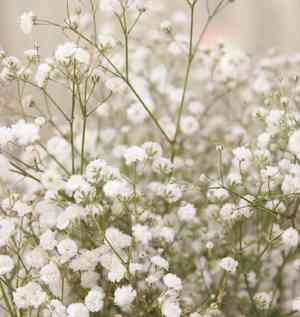
Baby's breath (Gypsophila paniculata)
Also known as: Common gypsophila
Baby's Breath (Gypsophila paniculata) is a favorite among florists for adding a delicate touch to bouquets and complementing larger flowers like roses. This hardy perennial, which thrives in dry and salty conditions, is also known for attracting butterflies. However, it has become invasive in North American grasslands and open ecosystems, threatening native plant species.
Attributes of Baby's breath
Images of Baby's breath

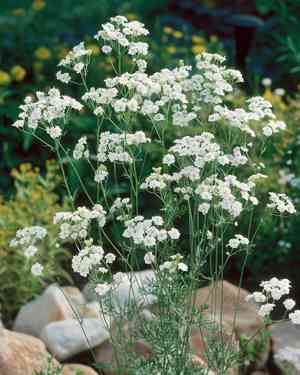

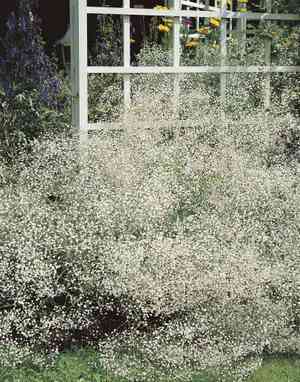
Quickly Identify Baby's breath
Scientific Classification of Baby's breath
Planting and Growing of Baby's breath
 How to Water Baby's breath?
 What Are the Sunlight Requirements for Baby's breath?
 What Is the Ideal Temperature Range for Baby's breath?
 What Soil is Best for Baby's breath?
 How to Fertilize Baby's breath?
 How to Prune Baby's breath?
 How to Propagate Baby's breath plant?
 How to Repot Baby's breath plant?
Toxicity of Baby's breath
Is Baby's breath toxic to cat?
Baby's breath poses a slight risk of toxicity to felines. Cats may become ill if they ingest the plant in significant quantities. Every part of the baby's breath plant has the potential to cause toxic reactions. Following consumption, cats could exhibit symptoms of physical distress or sickness. It is vital for cat owners to observe their pets for any behavioral or health changes and to quickly seek veterinary care if poisoning indications emerge. Timely intervention is critical to address and mitigate any health concerns resulting from exposure to baby's breath.
Is Baby's breath toxic to dog?
Baby's breath is recognized for possessing a mild degree of toxicity in dogs. Although the plant is not classified as highly toxic, consuming it in large quantities can result in poisoning. Any part of baby's breath can be harmful to dogs since all sections of this plant contain toxic compounds. If a dog consumes a considerable amount of baby's breath, it may show symptoms such as gastrointestinal distress, vomiting, or diarrhea. It is essential for dog owners to keep an eye on their pets and prevent them from ingesting excessive amounts of this plant. Should a dog ingest baby's breath and begin to display signs of poisoning, it is crucial to seek prompt veterinary assistance to guarantee appropriate treatment and recovery.



