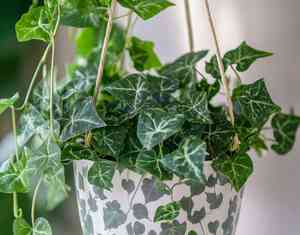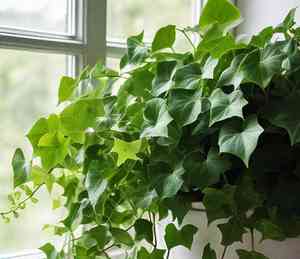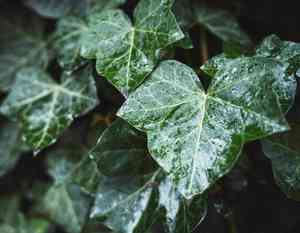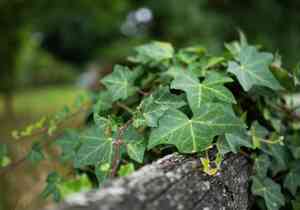
Algerian ivy(Hedera canariensis)

Algerian ivy (Hedera canariensis)

Also known as: Canary ivy, Coney island ivy

Algerian ivy (Hedera canariensis) is often chosen for ornamental purposes, covering fences, house walls, sheds, and tree trunks with its lush foliage. Despite its attractive appearance, it grows vigorously and requires diligent maintenance to stop it from becoming invasive. While it thrives in moist, rich soil, it can also adapt to less ideal soil conditions.

Attributes of Algerian ivy

Lifespan
Perennial
Plant Type
Vine
Plant Height
20 cm to 30 cm
Spread
20 m
Leaf Color
Green
Flower Size
2.5 cm
Flower Color
Yellow Gold Green

PlantJoy - Identify plants with a snap

Identify and diagnose plants, get toxicity alerts, and explore safety guides for all types of fungi.

Try for Free

Images of Algerian ivy

Algerian ivy(Hedera canariensis)

Quickly Identify Algerian ivy

1
Broad, glossy leaves with 3-7 lobes, 2-6 inches (5-15 cm) long and wide.
2
Distinctive greenish-white flowers in small clusters, less than 0.2 inches (0.5 cm) across.
3
Small, round fleshy drupes turning inky black, 1/3 inch (8 mm) in diameter.
4
Heart-shaped leaves with red hairs, wider than English ivy, 2-6 inches (5-15 cm) long.
5
Moderately thick stem covered in red scale-like pubescence, 0.25 to 0.5 inches (0.6 to 1.3 cm) in diameter.

Scientific Classification of Algerian ivy

Phylum
Vascular plants
Class
Dicotyledons
Order
Apiales
Family
Ivy
Genus
Ivy
Species
Algerian ivy

Planting and Growing of Algerian ivy

Care Difficulty
Easy
Watering Schedule
Every 2 days
Sunlight Requirements
Partial sun
Sunshine Duration
6-10 hours
Ideal Temperature
60-75℉
Soil Type
Potting Mix, Peat Mix
Soil pH
6.5-7.5
Fertilizer Type
Balanced
Pruning Season
Spring, Summer
Pruning Area
Branches, Leaves
Pruning Frequency
2 times a year
Repotting Season
Spring
Pot Type
Plastic, Ceramic

water icon How to Water Algerian ivy?

When it comes to watering Hedera canariensis, the key is to ensure the soil remains consistently moist but not soggy. Water each time with about 500ml, ensuring it percolates through the soil and drains well to prevent water from pooling at the base.
What are the symptoms of an underwatered Algerian ivy?
What should I do if my Algerian ivy is not getting enough water?
What are the symptoms of an overwatered Algerian ivy?
How to save an overwatered Algerian ivy?

sunlight icon What Are the Sunlight Requirements for Algerian ivy?

Sunlight Requirements: Partial sun
Duration of light: 4 to 6 hours
Hedera canariensis thrives in partially sunlit areas, receiving between 4 to 6 hours of filtered sunlight. Ideal light ensures vibrant foliage and prevents overgrowth or weakening of the plant.
What is the best lighting for Hedera canariensis?
How can I achieve ideal lighting conditions?
What are the benefits of ideal lighting for Hedera canariensis?
More About Sunlight Requirements Techniques Group

temperature icon What Is the Ideal Temperature Range for Algerian ivy?

Ideal Temperature: 60 ~ 75℉
The ideal temperature range for Hedera canariensis, also known as the Canary Island Ivy, is between 60°F and 75°F. Within this range, the plant can thrive and exhibit optimal growth, as it mimics its natural subtropical habitat. Maintaining the environment above 60°F helps the plant carry out photosynthesis efficiently, while staying below 75°F prevents excessive transpiration that can lead to water loss and stress.

soil icon What Soil is Best for Algerian ivy?

Soil type: Loam, Sandy loam
Soil PH: 6.5 ~ 7.5
Hedera canariensis thrives in well-draining soil, which prevents root rot by allowing excess water to escape. This ensures the roots have ample access to oxygen and reduces the risk of fungal diseases. Rich in organic content, the soil needs to provide nutrients essential for vigorous leaf growth. Organic matter like compost or well-rotted manure offers a slow-release source of minerals, promoting overall plant health. While the soil should drain well, it must also retain enough moisture to keep the plant hydrated. A balanced loam provides this dual benefit, preventing the plant from drying out between waterings.

fertilize icon How to Fertilize Algerian ivy?

Fertilizer type: Balanced
For Hedera canariensis, a balanced liquid fertilizer mixed at half strength is recommended. A suitable amount is about 1/4 cup per gallon of water. This ensures the plant receives vital nutrients without risk of over-fertilizing.

prune icon How to Prune Algerian ivy?

Pruning Time: Spring, Summer, Autumn, Winter
While pruning, look for any stems that appear to be growing out of place or overcrowding the plant. These should be prioritized for removal to maintain a pleasing aesthetic. If your Hedera canariensis begins to cover up other plants or grow in unwanted directions, consider more heavy pruning to keep it in check.

propagate icon How to Propagate Algerian ivy plant?

Propagate Time: Spring, Early summer
1
Choose healthy stems from the mother plant that are about 10-15 cm long. Ensure that each cutting has at least one node, the point where leaves attach to the stem, as this is crucial for root development.
2
Use a well-draining potting mix composed of equal parts peat and perlite. This provides the optimal conditions for the cuttings to establish roots without becoming waterlogged.
3
Dip the cut end of each cutting in rooting hormone, then insert into the potting mix about 2-3 cm deep. Firm the soil around the base to ensure stability and moisture retention.

repot icon How to Repot Algerian ivy plant?

Repotting frequency: Every 2-3 years
1
Hedera canariensis typically needs repotting when you notice roots growing through the drainage holes or the growth appears stunted. Early spring, just before new growth starts, is an ideal time to repot. This allows the plant to settle and establish in its new container as the growing season begins.
2
Select a pot that is one to two sizes larger than the current one to give roots room to grow. Ensure your chosen pot has adequate drainage holes to prevent waterlogging, which can lead to root rot. Material-wise, either ceramic or plastic pots are suitable, each offering unique benefits like breathability or weight reduction, respectively.
3
A well-draining potting soil that is rich in organic matter is essential. It generally consists of a combination of peat moss, perlite, and vermiculite. This ensures the plant roots get enough air, preventing compaction and promoting healthy growth.
More About Repotting Techniques Group

PlantJoy - Identify plants with a snap

Find the best spots for them to optimize their health, simply using your phone.

Try for Free

Toxicity of Algerian ivy

Is Algerian ivy toxic to humans?

Algerian ivy presents a mild toxicity risk to humans, which may result in allergic reactions. Any contact with the plant, as all parts contain toxic compounds, can lead to skin irritation or dermatitis. Accidental ingestion can lead to more serious symptoms because of the presence of triterpenoid saponins, particularly Hederin. Symptoms of poisoning from Algerian ivy can include gastrointestinal upset, such as nausea, vomiting, and diarrhea. It is essential for individuals, particularly those with known sensitivities, to handle Algerian ivy with caution to prevent any negative effects.

Is Algerian ivy toxic to cat?

Algerian ivy is regarded as toxic to cats, with the entirety of the plant presenting harmful characteristics. Felines can be poisoned through either direct contact or the consumption of any part of algerian ivy. Significantly, the presence of triterpenoid saponins, particularly Hederin, plays a role in its toxicity. Following exposure, a cat may show signs such as gastrointestinal distress, excessive salivation, or skin irritation. Immediate veterinary attention is essential if there is a suspicion that a cat has interacted with or ingested algerian ivy, to facilitate prompt treatment and avert more serious health issues.

Is Algerian ivy toxic to dog?

Algerian ivy is identified as a toxic plant for dogs. Dogs can be exposed to this plant through direct contact or by unintentionally ingesting it. Every part of the algerian ivy contains toxic substances, which means that all sections of the plant pose a threat to the health of dogs. Canines that either touch or consume any part of algerian ivy may show symptoms such as vomiting, diarrhea, excessive salivation, and abdominal discomfort. The harmful compounds associated with these negative effects are primarily triterpenoid saponins, notably Hederin. When there is a suspicion that a dog has ingested algerian ivy, it is crucial to seek veterinary attention promptly to achieve the best possible outcome.

Identify toxic plants for your safety

Learn which plants are harmful to you and your pets, and make informed choices for a safer home!

Try for Free
WARNING
The judgment on toxicity and danger is for reference only. We DO NOT GUARANTEE any accuracy of such judgment. Therefore, you SHALL NOT rely on such judgment. It is IMPORTANT TO SEEK PROFESSIONAL ADVICE in advance when necessary.
More About Toxic Techniques Group