
English ivy (Hedera helix)
Also known as: European ivy, Ivy
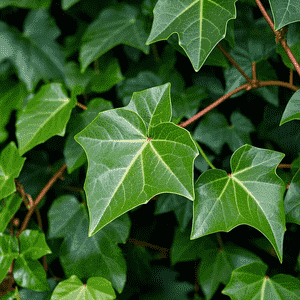
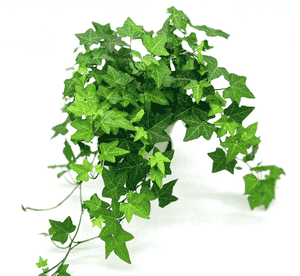
The most prevalent climber in European forests is the English ivy (Hedera helix), a perennial vine known for its evergreen, glossy, lobed leaves. It uses strong aerial rootlets to cling to tree bark, allowing it to scale heights of over 15 meters. Besides climbing, English ivy also spreads across the forest floor and can become invasive in regions outside its native habitat.
Attributes of English ivy
Images of English ivy
Quickly Identify English ivy
Scientific Classification of English ivy
Planting and Growing of English ivy
 How to Water English ivy?
 What Are the Sunlight Requirements for English ivy?
 What Is the Ideal Temperature Range for English ivy?
 What Soil is Best for English ivy?
 How to Fertilize English ivy?
 How to Prune English ivy?
 How to Propagate English ivy plant?
 How to Repot English ivy plant?
Toxicity of English ivy
Is English ivy toxic to humans?
English ivy poses a moderate level of toxicity, which can be a result of ingestion or direct contact. Every part of the plant exhibits toxic characteristics. When the sap from the leaves or stems comes into contact with the skin, it may lead to inflammation, accompanied by redness, itching, and the formation of blisters. Ingesting the berries can provoke a burning sensation in the throat. Eating the leaves may induce serious symptoms, including delirium, hallucinations, fever, convulsions, rashes, vomiting, diarrhea, abdominal pain, and excessive salivation. Additionally, English ivy contains allergens that may trigger sensitivity in some individuals. Instances of poisoning are most likely to arise from unintentional contact, as the plant is widely cultivated and regarded as an invasive weed throughout North America.
Is English ivy toxic to cat?
English ivy (Hedera helix) poses a moderate toxicity risk to cats, primarily due to the presence of triterpenoid saponins in its structure. Ingestion can lead to symptoms such as vomiting, abdominal discomfort, and diarrhea. Although both the berries and leaves contain these harmful compounds, the leaves are significantly more toxic than the berries. It is advisable to consult a veterinarian if any part of this plant is consumed.
Is English ivy toxic to dog?
English ivy poses a moderate to severe toxicity risk to dogs; consuming significant quantities may result in a medical crisis. A rash could occur if only a few leaves are ingested, while consuming an excessive quantity can potentially lead to coma or paralysis. The toxic compound, known as triterpenoid saponin, permeates the entire plant, but its highest concentration is found in the leaves. Furthermore, even contact with the plant's sap can provoke skin rashes and irritation. This species is frequently used in landscaping and as indoor decor, thus one must remain cautious.



