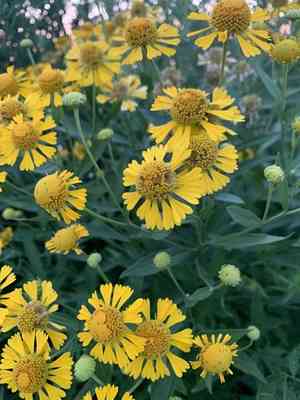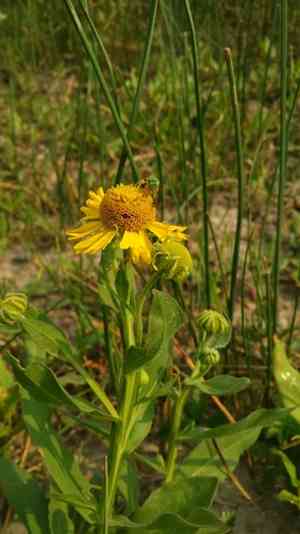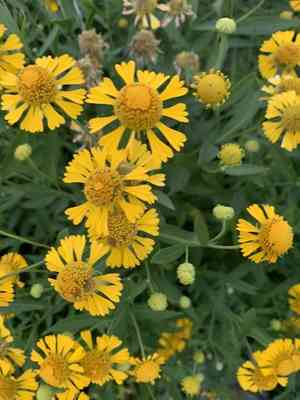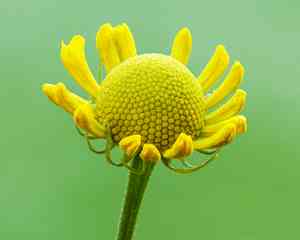
Sneezeweed(Helenium autumnale)

Sneezeweed (Helenium autumnale)

Also known as: Swamp sunflower, Autumn sneezeweed

Goldenrod (Solidago spp.) is a perennial herb indigenous to North America. Each plant can yield up to 100 vibrant yellow flower heads during late summer and fall. This herb is well-known for attracting butterflies and various pollinators.

Attributes of Sneezeweed

Lifespan
Perennial, Annual
Plant Type
Herb
Plant Height
30 cm to 1.2 m
Spread
60 cm to 90 cm
Leaf Color
Green
Flower Size
2.5 cm to 8 cm
Flower Color
Yellow Red Brown Orange

PlantJoy - Identify plants with a snap

Identify and diagnose plants, get toxicity alerts, and explore safety guides for all types of fungi.

Try for Free

Images of Sneezeweed

Sneezeweed(Helenium autumnale)

Quickly Identify Sneezeweed

1
Bright yellow flowers with distinct ray florets and central disk
2
Leaves narrow, lanceolate, stalkless, toothed, and 2-5 inches (5-13 cm) long
3
Flower rays wedge-shaped, drooping, and divided into three lobes
4
Fruit is small achene, oblong, 0.1 inches (2-3 mm) long, clustered
5
Overall height of 2-5 feet (60-150 cm) with dense clusters of 1-2 inch (2.5-5 cm) flower heads

Scientific Classification of Sneezeweed

Phylum
Vascular plants
Class
Dicotyledons
Order
Asterales
Family
Daisy
Genus
Sneezeweeds
Species
Sneezeweed

Planting and Growing of Sneezeweed

Care Difficulty
Easy
Watering Schedule
Every 8 days
Sunlight Requirements
Full sun
Sunshine Duration
6-10 hours
Ideal Temperature
68-77℉
Soil Type
Potting Mix, Peat Mix
Soil pH
5.5-7
Fertilizer Type
Balanced
Pruning Season
Spring, Summer
Pruning Area
Branches, Leaves
Pruning Frequency
2 times a year
Repotting Season
Spring
Pot Type
Plastic, Ceramic

water icon How to Water Sneezeweed?

Helenium autumnale prefers consistent moisture, but flooding should be avoided. Water until the soil is thoroughly moist but not waterlogged, ensuring the excess drains well. This usually requires about 500 ml per session, adjusted based on weather conditions and soil drainage.
What are the symptoms of an underwatered Sneezeweed?
What should I do if my Sneezeweed is not getting enough water?
What are the symptoms of an overwatered Sneezeweed?
How to save an overwatered Sneezeweed?

sunlight icon What Are the Sunlight Requirements for Sneezeweed?

Sunlight Requirements: Full sun
Duration of light: Six to eight hours
Helenium autumnale's ideal light range is full sun, which promotes maximal flowering and vigorous overall growth. This exposure is crucial for the plant to attain its characteristic vibrant displays.
Ideal Duration of Sunlight
Avoid Shady Spots
Seasonal Adjustments
More About Sunlight Requirements Techniques

temperature icon What Is the Ideal Temperature Range for Sneezeweed?

Ideal Temperature: 68 ~ 77℉
The ideal temperature range for cultivating Helenium autumnale is between 68°F and 77°F. This range provides optimal growing conditions during the active growing season, allowing the plant to photosynthesize efficiently and maintain healthy cellular functions. Within this range, Helenium autumnale will exhibit robust growth and vibrant flowering.

soil icon What Soil is Best for Sneezeweed?

Soil type: Loam, Sandy loam
Soil PH: 5.5 ~ 7
Helenium autumnale thrives in well-draining soil, which prevents waterlogging. Proper drainage ensures that the roots are not sitting in water, reducing the risk of root rot and promoting healthier growth. A nutrient-rich soil is essential for the optimal growth of Helenium autumnale. The presence of organic matter supports the plant's nutritional needs, ensuring vibrant flowers and robust health. This plant prefers a slightly acidic to neutral pH, which allows for optimal nutrient absorption. The balance of acidity and alkalinity ensures the plant can access necessary minerals efficiently. More About Soil

fertilize icon How to Fertilize Sneezeweed?

Fertilizer type: Balanced
For Helenium autumnale, use a balanced liquid fertilizer diluted to half its strength. Apply about 1/4 cup per plant monthly during the growing season to encourage healthy blooms without overwhelming the roots. More About Fertilizing Techniques

prune icon How to Prune Sneezeweed?

Pruning Time: Spring, Summer, Autumn
Start by cutting off dead or spent flowers, as this stimulates the plant to produce more blooms. Use clean, sharp scissors and make cuts just above a leaf node to encourage branching. In late spring and mid-summer, trim back any overgrown or lanky stems to maintain a compact shape. This improves air circulation within the plant, reducing the risk of mildew and promoting an attractive form. Shape the plant by cutting back to uniform height. Focus on maintaining a dome-like form to enhance its visual appeal and ensure even sunlight exposure across all parts of the plant. More About Pruning Techniques

propagate icon How to Propagate Sneezeweed plant?

Propagate Time: Spring, Early spring, Late spring
1
Fill seed trays with moist, well-draining seedling mix. Sprinkle Helenium autumnale seeds over the surface and lightly cover with soil. Place the tray in a warm, bright location until germination occurs.
2
Select healthy, non-flowering stems for cuttings. Cut a 10-15 cm piece below a node, remove lower leaves, and dip the cut end in rooting hormone. Insert into a pot filled with moist potting soil.
3
In spring, dig up mature Helenium clumps, gently separate the roots with a clean knife, and replant divisions promptly at the same depth in well-prepared soil.
More About Propagating Techniques

repot icon How to Repot Sneezeweed plant?

Repotting frequency: Every 2-3 years
1
Look for signs like roots growing through drainage holes and slowed growth. To ensure Helenium autumnale flourishes, repotting during early Spring or Autumn is ideal as it coincides with its active growth period. Monitoring these signs ensures you’re providing enough space for root expansion.
2
Select a pot that is one size larger than the current one, ensuring adequate drainage. A well-chosen pot prevents waterlogging, promoting healthy root systems and reducing the risk of rot. Make sure the material complements your climate needs; terracotta is great for breathing, but plastic holds moisture better.
3
Opt for a well-draining loam mix, ideally enriched with organic matter. This type of soil provides the perfect balance of nutrient retention and drainage, crucial for preventing root rot and supporting robust plant structure. Adding compost enhances nutrient levels and encourages vibrant growth.
More About Repotting Techniques

PlantJoy - Identify plants with a snap

Find the best spots for them to optimize their health, simply using your phone.

Try for Free

Toxicity of Sneezeweed

Is Sneezeweed toxic to humans?

Sneezeweed is a poisonous plant that can trigger harmful reactions in humans who consume significant quantities of it. The symptoms can range from moderate to severe, and in some cases, they may even pose a life-threatening risk. All parts of the plant—flowers, seeds, and leaves—are toxic. Ingesting this plant may lead to symptoms such as abdominal pain, excessive salivation, fever, nausea, convulsions, and respiratory difficulties. Additionally, since some individuals could experience adverse effects from merely touching the plant, it is advisable to wear gloves when handling it. Commonly grown as an ornamental in gardens, this plant may be within reach of children who might inadvertently touch or consume it.

Is Sneezeweed toxic to cat?

Sneezeweed presents a moderate risk of toxicity to felines. Should a cat consume any portion of this plant—whether it be flowers, leaves, or seeds—it may result in poisoning. Exposure to sneezeweed could lead to symptoms that reflect physical distress or illness in the cat. Consequently, it is crucial for cat owners to ensure their pets do not have access to sneezeweed and to keep a close watch for any indications of health complications. If ingestion occurs, it is imperative to seek veterinary care promptly to address the poisoning efficiently.

Is Sneezeweed toxic to dog?

Sneezeweed presents a moderate risk of toxicity to dogs. Poisoning generally occurs when a dog consumes parts of the plant, particularly the flowers, leaves, or seeds. Following the ingestion of sneezeweed, dogs may display a range of symptoms that signal poisoning. It is essential for dog owners to keep a close eye on their pets and to seek prompt veterinary assistance if there is any suspicion that their dog has eaten any portion of sneezeweed. Timely intervention at a veterinary facility is vital for the health and welfare of the impacted animal.

Identify toxic plants for your safety

Learn which plants are harmful to you and your pets, and make informed choices for a safer home!

Try for Free
WARNING
The judgment on toxicity and danger is for reference only. We DO NOT GUARANTEE any accuracy of such judgment. Therefore, you SHALL NOT rely on such judgment. It is IMPORTANT TO SEEK PROFESSIONAL ADVICE in advance when necessary.
More About Toxic Techniques