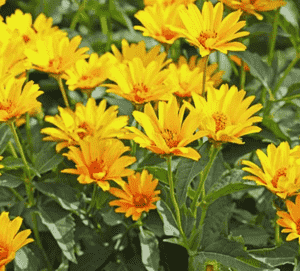
Jerusalem artichoke (Helianthus tuberosus)
Also known as: Girasole, Pignut, Canada potato, Sunflower artichoke, Topinambur
The Jerusalem artichoke, a sunflower species native to North America, is recognized for its sizable amber blooms, expansive leaves, and robust stems. Its tubers are a highly nutritious food source with a sweet, nutty flavor. The Latin name for this plant is *Helianthus tuberosus*, derived from the Greek words "helios" (sun) and "anthos" (flower).
In This Article
Attributes of Jerusalem artichoke
Lifespan
Perennial
Plant Type
Herb
Plant Height
1.5 m to 3 m
Spread
90 cm to 1.5 m
Leaf Color
Green
Flower Size
5 cm to 10 cm
Flower Color
Yellow
Images of Jerusalem artichoke
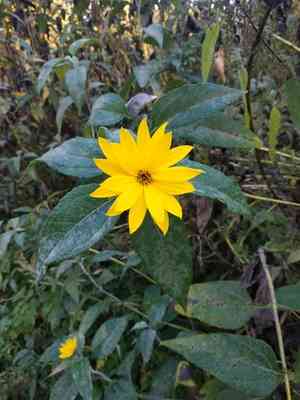
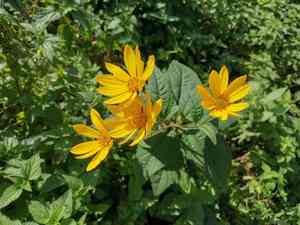
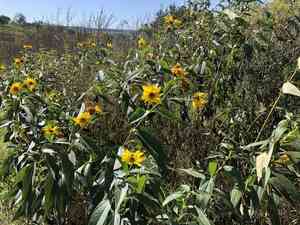
Quickly Identify Jerusalem artichoke
1
Tall stems reaching up to 10 feet (3 meters), with robust, coarse, and hairy textures.
2
Large, rough, ovate leaves with serrated edges, growing up to 8 inches (20 cm) long.
3
Vibrant yellow flower heads, 2-4 inches (5-10 cm) wide, with 12-20 rays and dark disk florets.
4
Indehiscent achenes, 0.2-0.28 inches (5-7 mm) long, with wind-dispersal pappus attachment.
5
Late-season blooming flowers, appealing to butterflies, with seed heads attracting songbirds.
Scientific Classification of Jerusalem artichoke
Phylum
Vascular plants
Class
Dicotyledons
Order
Asters bellflowers fanflowers and allies
Family
Daisy
Genus
Sunflowers
Species
Jerusalem artichoke
Planting and Growing of Jerusalem artichoke
Care Difficulty
Easy
Watering Schedule
Every 4 days
Sunlight Requirements
Full sun
Sunshine Duration
4-6 hours
Ideal Temperature
59-77℉
Soil Type
Potting Mix, Peat Mix
Soil pH
6.5-7.5
Fertilizer Type
Balanced
Pruning Season
Spring, Summer
Pruning Area
Branches, Leaves
Pruning Frequency
2 times a year
Repotting Season
Spring
Pot Type
Plastic, Ceramic
 How to Water Jerusalem artichoke?
For Helianthus tuberosus, also known as Jerusalem artichoke, the watering amount should be enough to moisten the soil without leaving it waterlogged. Generally, about 500 ml of water is adequate per session to ensure that the roots receive enough moisture.
More About Watering Techniques→
What are the symptoms of an underwatered Jerusalem artichoke?
›
What should I do if my Jerusalem artichoke is not getting enough water?
›
What are the symptoms of an overwatered Jerusalem artichoke?
›
How to save an overwatered Jerusalem artichoke?
›
 What Are the Sunlight Requirements for Jerusalem artichoke?
Helianthus tuberosus thrives best under full sun, requiring at least 6 to 8 hours of direct sunlight. This ideal light condition supports photosynthesis and maximizes growth and tuber yield.
More About Sunlight Requirements Techniques→
How much sun does Helianthus tuberosus need?
›
What solutions can enhance light conditions for Helianthus tuberosus?
›
What are the benefits of ideal light conditions for Helianthus tuberosus?
›
 What Is the Ideal Temperature Range for Jerusalem artichoke?
Helianthus tuberosus thrives best in an environment where temperatures range between 59°F and 77°F. This range allows optimal growth and development, ensuring that the plant's physiological processes, such as photosynthesis and transpiration, occur efficiently. Steady temperatures within this range promote the best possible tuber formation and maturation.
 What Soil is Best for Jerusalem artichoke?
Helianthus tuberosus thrives in well-drained soil, which ensures that excess water doesn't stagnate around the roots. This reduces the risk of root rot and promotes healthy tuber development, which is crucial for a bountiful harvest. This plant prefers soil that is moderately rich in nutrients. Overly fertile soil can lead to excessive foliage growth at the expense of tuber production, so a balanced nutrient profile is key for optimal yields. Although well-drained, the soil should retain some moisture to support the plant's growth. This balance helps in maintaining the plant's hydration needs, leading to healthy and robust tuber formation.
More About Soil→
 How to Fertilize Jerusalem artichoke?
For Helianthus tuberosus, it is ideal to apply a balanced 10-10-10 liquid fertilizer. Use approximately 1-2 tablespoons per gallon of water, ensuring even distribution across the root zone. This provides essential nutrients without overwhelming the plant.
 How to Prune Jerusalem artichoke?
Begin pruning in early spring by cutting back dead or damaged stems to the base of the plant. This clears up space for new growth. Trim back the main stems to about half their height. If your plant is overcrowded, thinning out some of the weaker stems will allow sunlight to reach the remaining ones, boosting overall health.
More About Pruning Techniques→
 How to Propagate Jerusalem artichoke plant?
1
Select healthy stems that are at least 3 to 4 inches long. Cut the stems using pruning shears at a 45-degree angle to increase the rooting surface area. Remove any leaves from the lower half of the cuttings to reduce moisture loss.
2
Dip the cut end of each cutting into a rooting hormone powder to stimulate root growth. Plant the cuttings in a tray filled with a moistened potting mix. Ensure the cuttings are firmly inserted to support them upright and water them thoroughly.
3
After blooms have faded, dig up the tubers and gently separate them. Each section must have at least one 'eye' or bud for successful regrowth. Plant the divided tubers at the same depth they were growing initially and water well.
 How to Repot Jerusalem artichoke plant?
1
Helianthus tuberosus should be repotted when it shows signs of cramped roots, reduced growth, or if the soil is frequently too dry. Spring and autumn are optimal seasons, as the plant will experience less stress during milder weather.
2
Opt for a pot with ample drainage and adequate space for root growth. A slightly larger pot than the previous one will promote healthy expansion of the tuberous roots, allowing them to thrive in their new environment.
3
Select a well-draining loamy soil, with balanced nutrients and slight acidity. This specific composition helps in mimicking the plant’s natural habitat, facilitating efficient water retention and root health.
Learn More About Jerusalem artichoke Diseases
Anthracnose
Bacterial Leaf Spot
Bacterial Soft Rot
Bacterial Wilt
Chemical Injury
Crown Gall
Cyst Nematode
Damping-off
Downy Mildew
Drought Stress
Fusarium Wilt
Gray Mold
Leaf Spot
Mosaic
Nutrient Deficiency
Nutrient Toxicity
Powdery Mildew
Root Rot
Root-knot Nematode
Rusts
Sooty Mold
Spider Mites
Temperature Stress
Thrips Damage
White Mold



