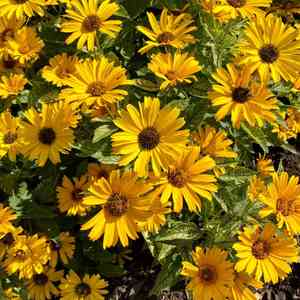
False sunflower (Heliopsis helianthoides)
Also known as: Rough oxeye, Heliopsis sunflower
False sunflowers (Heliopsis helianthoides) differ from true sunflowers in that both their disk and ray florets can produce seeds, whereas true sunflowers (Helianthus annuus) only produce seeds from their disk florets. Additionally, false sunflowers are commonly found across North America and are often used in cut flower arrangements due to their attractive appearance.
In This Article
Attributes of False sunflower
Lifespan
Perennial, Annual
Plant Type
Herb
Plant Height
40 cm to 1.5 m
Spread
60 cm to 90 cm
Leaf Color
Green
Flower Size
4 cm to 6 cm
Flower Color
Yellow Orange Gold
Images of False sunflower

Quickly Identify False sunflower
1
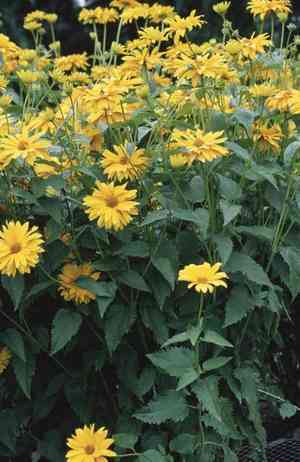
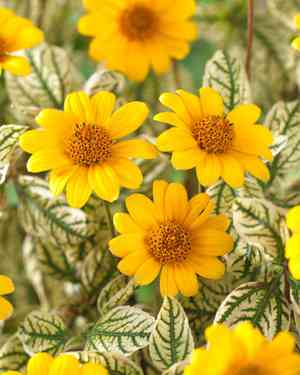
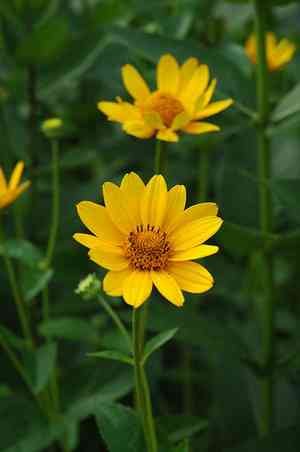
Bright yellow daisy-like blossoms with a central cone, 2-3 inches (5-7.6 cm) wide.
2
Sturdy stems reaching 3-5 feet (0.9-1.5 meters) in height, often with multiple branches.
3
Leaves are ovate to lanceolate, 3-6 inches (7.6-15.2 cm) long, with toothed edges.
4
Upper leaf surface is rough in texture, thriving in full sunlight.
5
Flowers have yellow-orange petal rays around a brownish-yellow central cone, spanning 2-3 inches (5-7.5 cm) wide.
Scientific Classification of False sunflower
Phylum
Vascular plants
Class
Dicotyledons
Order
Asterales
Family
Daisy
Genus
Heliopsis
Species
False sunflower
Planting and Growing of False sunflower
Care Difficulty
Easy
Watering Schedule
Every 3 days
Sunlight Requirements
Full sun
Sunshine Duration
6-10 hours
Ideal Temperature
60-75℉
Soil Type
Potting Mix, Peat Mix
Soil pH
6-7.5
Fertilizer Type
Balanced
Pruning Season
Spring, Summer
Pruning Area
Branches, Leaves
Pruning Frequency
2 times a year
Repotting Season
Spring
Pot Type
Plastic, Ceramic
 How to Water False sunflower?
For Heliopsis helianthoides, ensure the soil is evenly moist but not waterlogged. Approximately 500 ml per session suffices. Ensure the water reaches a depth of at least 6 inches, promoting deep root growth while preventing surface roots.
More About Watering Techniques→
What are the symptoms of an underwatered False sunflower?
›
What should I do if my False sunflower is not getting enough water?
›
What are the symptoms of an overwatered False sunflower?
›
How to save an overwatered False sunflower?
›
 What Are the Sunlight Requirements for False sunflower?
Heliopsis helianthoides thrives best in full to partial sun environments. Adequate light translates to healthy blooms and lush growth. Photosynthesis proceeds optimally, directly impacting flower size and longevity, while maintaining robust health.
More About Sunlight Requirements Techniques→
What is the best location for Heliopsis helianthoides?
›
How to adjust the light exposure if the natural light is insufficient?
›
What improvements occur when receiving ideal light conditions?
›
 What Is the Ideal Temperature Range for False sunflower?
Heliopsis helianthoides, commonly known as False Sunflower, thrives in a temperature range of 60 to 75°F. This range promotes optimal photosynthesis and growth while minimizing the risk of thermal stress. These moderate temperatures also support healthy root development and vibrant blooming patterns.
 What Soil is Best for False sunflower?
Heliopsis helianthoides thrives best in nutrient-rich soils that provide the essential macronutrients for vigorous growth and vibrant blooms. This requirement ensures that the plant has access to all the necessary nutrients for optimal photosynthesis and growth. This plant prefers well-drained soil to prevent waterlogging, which can cause root rot. Good drainage ensures that water doesn't accumulate around the roots, providing a balance of moisture and aeration. Heliopsis helianthoides does well in moderately moist soil, ensuring it is neither too dry nor waterlogged. Consistent moisture levels help maintain healthy roots, promoting stellar plant health and lush flowering.
More About Soil→
 How to Fertilize False sunflower?
For Heliopsis helianthoides, it's recommended to apply a balanced fertilizer at a rate that provides approximately 1 pound of actual nitrogen per 1000 square feet. This ensures the plant gets the necessary nutrients without over-fertilizing, which can harm its growth and flowering capability.
More About Fertilizing Techniques→
 How to Prune False sunflower?
Begin pruning in early spring before new growth emerges. Continue to prune monthly throughout the growing season, particularly after flowering, to encourage continuous blooms and prevent the plant from becoming too leggy. Heliopsis helianthoides can grow quite large and unruly. Trim back overgrown branches to maintain a bushy shape. This not only keeps the plant tidy but also improves airflow between the stems, reducing the likelihood of fungal diseases. Regular deadheading, or the removal of spent flowers, will promote more blooms. Cut just above the next set of healthy leaves to ensure the plant's energy is directed toward producing more flowers rather than seed heads.
More About Pruning Techniques→
 How to Propagate False sunflower plant?
1
Collect seeds from dried flower heads in late summer or early autumn. Ensure seeds are dry before storing them in a cool, dry place until you are ready to plant them in early spring.
2
Select healthy, non-flowering shoots for cuttings. Cut a section about 6 inches long with several leaves, and remove the lower leaves to reduce moisture loss and encourage rooting.
3
In early spring, dig up established Heliopsis helianthoides plants and gently separate the roots into smaller sections. Ensure each section has a healthy root system before planting them in prepared soil.
 How to Repot False sunflower plant?
1
Watch for signs like roots emerging from drainage holes or soil that dries too quickly. These signals suggest your Heliopsis helianthoides is ready for a roomier home.
2
Select a pot that's 1-2 inches larger in diameter than the current one. Ensure it has drainage holes to prevent water from accumulating, which can lead to root rot. A slightly larger pot provides ample space for root expansion and better growth.
3
Opt for a well-draining potting mix, rich in organic matter. This type of soil ensures water flows freely, preventing overwatering, while supplying necessary nutrients for plant health and vigor.



