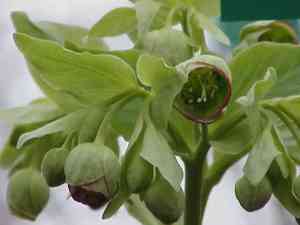
Stinking hellebore (Helleborus foetidus)
Also known as: Stinking Hellebore, Bear's Foot
The stinking hellebore (Helleborus foetidus) is an evergreen perennial that typically reaches a height of about 60 cm. It produces clusters of yellowish-green, cup-shaped flowers from late winter to early spring. The plant features attractive light green foliage that droops gracefully. When the leaves are crushed, they emit an unpleasant odor, which is how the plant got its name. Stinking hellebore grows best in rich, well-drained soil and prefers a semi-shady environment.
Attributes of Stinking hellebore
Images of Stinking hellebore
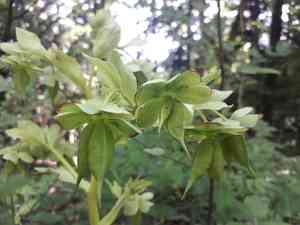
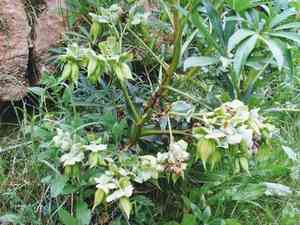
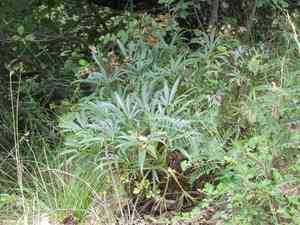
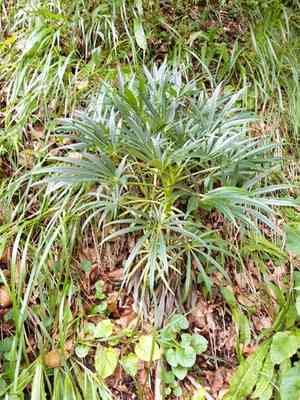
Quickly Identify Stinking hellebore
Scientific Classification of Stinking hellebore
Planting and Growing of Stinking hellebore
 How to Water Stinking hellebore?
 What Are the Sunlight Requirements for Stinking hellebore?
 What Is the Ideal Temperature Range for Stinking hellebore?
 What Soil is Best for Stinking hellebore?
 How to Fertilize Stinking hellebore?
 How to Prune Stinking hellebore?
 How to Propagate Stinking hellebore plant?
 How to Repot Stinking hellebore plant?
Toxicity of Stinking hellebore
Is Stinking hellebore toxic to humans?
All components of stinking hellebore are moderately poisonous to humans if ingested, with the likelihood of poisoning increasing when consuming significant amounts of the plant. Symptoms may consist of a burning sensation in the mouth and throat, excessive salivation, vomiting, abdominal cramps, diarrhea, neurological symptoms, and depression. The toxins present in stinking hellebore can also interact negatively with prescription medications such as beta-blockers, steroids, and chemotherapy drugs.
Is Stinking hellebore toxic to cat?
Stinking hellebore, widely referred to as Stinking hellebore, exhibits a moderate toxicity level for cats. Every part of the plant is toxic if ingested, thereby endangering feline health. When cats encounter stinking hellebore, they might suffer from physical discomfort or exhibit symptoms of illness that could necessitate veterinary care. If you fear that your cat has consumed stinking hellebore, it is imperative to pursue prompt veterinary assistance to guarantee appropriate treatment and reduce potential hazards to your cat's health.
Is Stinking hellebore toxic to dog?
Stinking hellebore presents a moderate toxicity hazard for dogs. Ingesting any part of this plant can result in poisoning for canines, as all its components are deemed toxic. Symptoms of poisoning in dogs may include vomiting, diarrhea, stomach discomfort, and lethargy. Should you suspect that your dog has consumed stinking hellebore, it is crucial to obtain prompt veterinary assistance to secure the best outcome for your pet.



