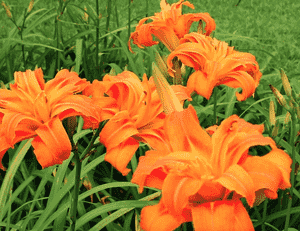
Ditch lily(Hemerocallis fulva)

Ditch lily (Hemerocallis fulva)

Also known as: Common daylily, Tiger daylily

The daylily is a perennial plant renowned for its striking lily-like flowers. It naturally grows in meadows and forests and is also widely cultivated in gardens across temperate regions globally. While each flower blooms for just a single day, the plant continuously produces new blooms over several weeks. Both the young buds and flowers are edible, whether consumed raw or cooked. Interestingly, the flowers contain a higher fat content compared to most other vegetables, making them a beneficial addition to a vegetarian diet.

Attributes of Ditch lily

Lifespan
Perennial
Plant Type
Herb
Plant Height
40 cm to 1.5 m
Spread
60 cm to 90 cm
Leaf Color
Green
Flower Size
5 cm to 12 cm
Flower Color
Orange Red Yellow

PlantJoy - Identify plants with a snap

Identify and diagnose plants, get toxicity alerts, and explore safety guides for all types of fungi.

Try for Free

Images of Ditch lily

Ditch lily(Hemerocallis fulva)

Quickly Identify Ditch lily

1
Upward-facing, tawny trumpet-shaped blooms with central stripe, lasting just a day.
2
Strap-shaped, arching foliage in lush, dense clumps, vividly green, 1-3 feet (30-90 cm) long.
3
Vibrant reddish-yellow flowers on long, slender stalks, approximately 4-6 inches (10-15 cm) wide.

Scientific Classification of Ditch lily

Phylum
Vascular plants
Class
Monocotyledons
Order
Asparagus and allies
Family
Asphodel
Genus
Daylilies
Species
Ditch lily

Planting and Growing of Ditch lily

Care Difficulty
Easy
Watering Schedule
Every 8 days
Sunlight Requirements
Full sun
Sunshine Duration
6-8 hours
Ideal Temperature
65-75℉
Soil Type
Potting Mix, Peat Mix
Soil pH
6.5-7.5
Fertilizer Type
Balanced
Pruning Season
Spring, Summer
Pruning Area
Branches, Leaves
Pruning Frequency
2 times a year
Repotting Season
Spring
Pot Type
Plastic, Ceramic

water icon How to Water Ditch lily?

Hemerocallis fulva, commonly known as the daylily, prefers to be watered thoroughly. The soil should be evenly moist but not soggy. It's ideal to apply around 500 ml of water per plant each time, ensuring the water reaches the root zone, encouraging deep root growth for better hydration and nutrient uptake.
What are the symptoms of an underwatered Ditch lily?
What should I do if my Ditch lily is not getting enough water?
What are the symptoms of an overwatered Ditch lily?
How to save an overwatered Ditch lily?
More About Watering Techniques

sunlight icon What Are the Sunlight Requirements for Ditch lily?

Sunlight Requirements: Full sun, Partial sun
Duration of light: 6-8 hours of sunlight
Hemerocallis fulva requires either full sun or partial sun, ideally receiving 6-8 hours of sunlight daily. This amount ensures optimal growth and vibrant blooming, maximizing the plant's aesthetic and physiological health.
What is the best light intensity for Hemerocallis fulva?
How to ensure ideal lighting for growth?
Benefits of optimal lighting?
More About Sunlight Requirements Techniques

temperature icon What Is the Ideal Temperature Range for Ditch lily?

Ideal Temperature: 65 ~ 75℉
The ideal temperature range for growing Hemerocallis fulva is between 65°F and 75°F. These temperatures support optimal growth, ensuring healthy foliage and vibrant bloom production. Maintaining this temperature range can result in robust plants with abundant flowers during their active growing season.

soil icon What Soil is Best for Ditch lily?

Soil type: Loam, Sandy loam, Clay soil
Soil PH: 6.5 ~ 7.5
Hemerocallis fulva thrives in well-draining soil which helps prevent root rot. Good drainage ensures that excess water is quickly moved away from the root zone, keeping the plant healthy and vigorous. Rich, fertile soil is ideal for Hemerocallis fulva, providing a steady supply of essential nutrients. The nutrient-rich soil supports robust foliage and vibrant blooms by supplying vital elements like nitrogen, phosphorus, and potassium. While drainage is essential, some moisture retention is beneficial, maintaining consistent soil moisture levels critical for the plant's continuous growth and blooms. More About Soil

fertilize icon How to Fertilize Ditch lily?

Fertilizer type: Balanced
Hemerocallis fulva, commonly known as the daylily, typically requires a moderate amount of fertilizer. Use approximately 1 to 1.5 pounds of a balanced fertilizer per 100 square feet of planting area. This ensures that the plant receives essential nutrients without being overwhelmed. More About Fertilizing Techniques

prune icon How to Prune Ditch lily?

Pruning Time: Spring, Summer, Autumn, Winter
Always use clean and sharp tools for pruning to avoid the spread of diseases. Disinfect your tools with alcohol after each use for best plant health. Ensure you can distinguish between healthy and unhealthy growth. Avoid cutting healthy green foliage unless necessary, as it contributes to photosynthesis and plant vigor. Each season impacts Hemerocallis fulva differently, so it’s crucial to time your pruning correctly. Early spring is ideal for removing dead tissue, while summer is great for deadheading. More About Pruning Techniques

propagate icon How to Propagate Ditch lily plant?

Propagate Time: Early spring,Late summer
1
Water the Hemerocallis fulva thoroughly a day before the division process to ease the removal of roots from the soil. Choose healthy, mature plants that are at least 2-3 years old for best results.
2
Use a garden spade to dig around the root clump, lift it from the ground, and gently shake off excess soil. With pruning shears, carefully divide the clump into sections, ensuring each division has a piece of the root and leaves.
3
Plant each division in a well-prepared site with full sun and fertile soil. Space them adequately to allow for growth. Water each plant thoroughly and maintain moisture as they establish.
More About Propagating Techniques

repot icon How to Repot Ditch lily plant?

Repotting frequency: Every 2-3 years
1
Repot Hemerocallis fulva when noticing stunted growth, overcrowded roots, or poor flowering. These signs usually indicate the need for a larger container or replenished soil to support healthy plant development.
2
Select a pot with a diameter 1-2 inches larger than the current one, featuring drainage holes. This allows adequate root expansion and prevents waterlogging, promoting optimal root health.
3
Opt for well-draining garden soil rich in organic matter. This encourages proper aeration and moisture retention, reducing risks of root rot and ensuring robust growth.

PlantJoy - Identify plants with a snap

Find the best spots for them to optimize their health, simply using your phone.

Try for Free

Toxicity of Ditch lily

Is Ditch lily toxic to humans?

Ingesting the buds, tubers, shoots, or flowers of the ditch lily may pose a risk of adverse reactions in certain individuals. There have been instances of gastrointestinal disturbances such as upset stomach, diarrhea, or vomiting associated with the consumption of raw flowers and buds. It remains uncertain whether these mild to moderate reactions stem from personal sensitivities to the ditch lily or from possible misidentifications. Eating significant quantities of uncooked parts of this plant seems to carry the highest level of risk.

Is Ditch lily toxic to cat?

Ditch lily is classified as 'Toxic' for felines. Cats may suffer from poisoning if they inadvertently ingest parts of the plant, especially the flowers. Once consumed, a cat might show signs of physical distress, including gastrointestinal disturbances or other illness indicators. It is crucial to seek immediate veterinary care if ditch lily poisoning is suspected to address symptoms effectively and avert additional health issues.

Is Ditch lily toxic to dog?

The ditch lily is identified as a toxic plant for dogs. Accidental ingestion of this plant can lead to poisoning in dogs, as they may inadvertently consume it. The flowers of the ditch lily are the most commonly associated parts responsible for poisoning when eaten. Following the ingestion of any part of ditch lily, dogs can demonstrate a range of symptoms that indicate toxicity. Dog owners must vigilantly supervise their pets and keep them away from ditch lily. If a dog does happen to ingest any part of this plant, it is essential to obtain prompt veterinary attention to ensure the best possible outcome for the affected animal.

Identify toxic plants for your safety

Learn which plants are harmful to you and your pets, and make informed choices for a safer home!

Try for Free
WARNING
The judgment on toxicity and danger is for reference only. We DO NOT GUARANTEE any accuracy of such judgment. Therefore, you SHALL NOT rely on such judgment. It is IMPORTANT TO SEEK PROFESSIONAL ADVICE in advance when necessary.
More About Toxic Techniques

